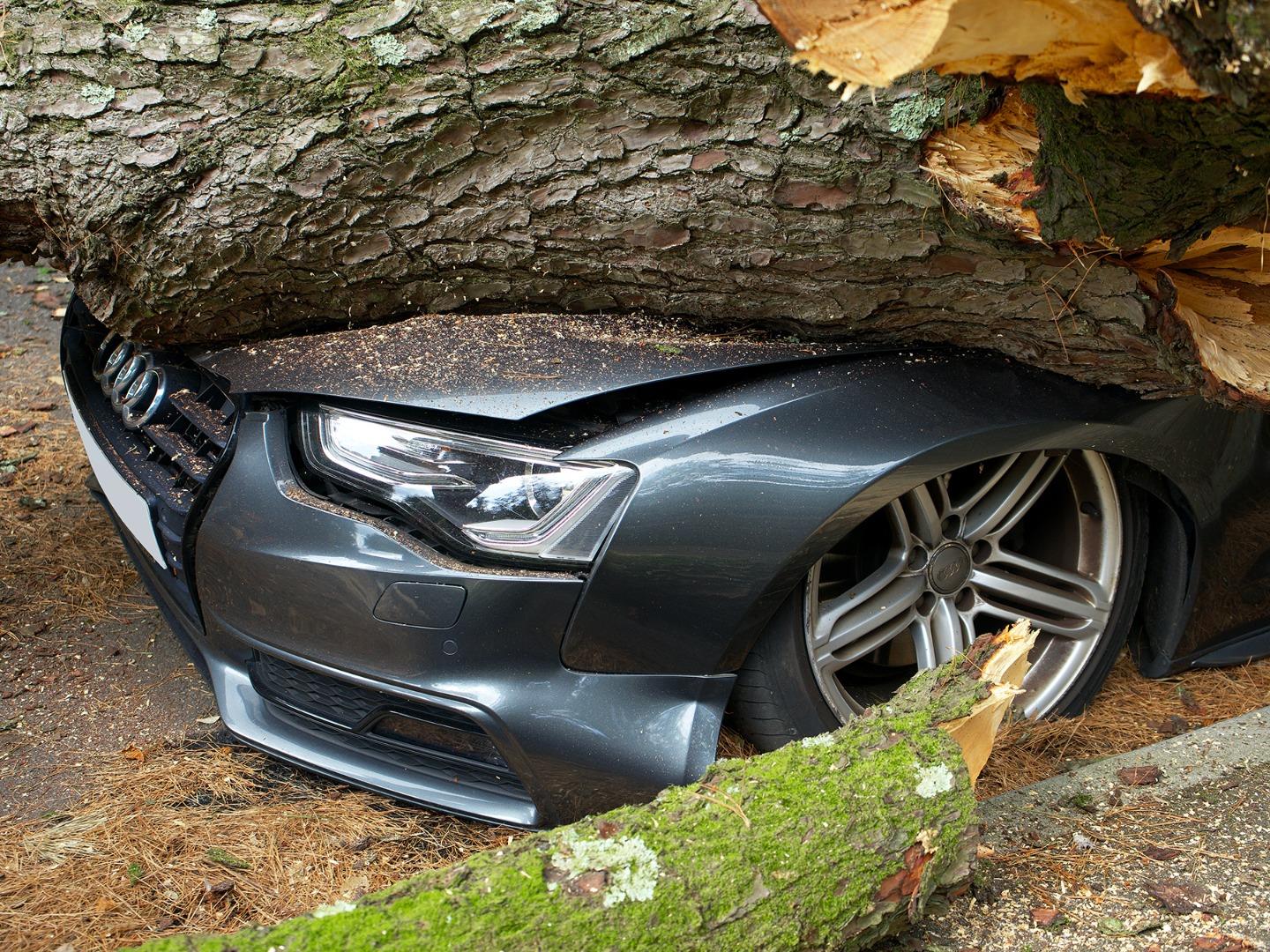
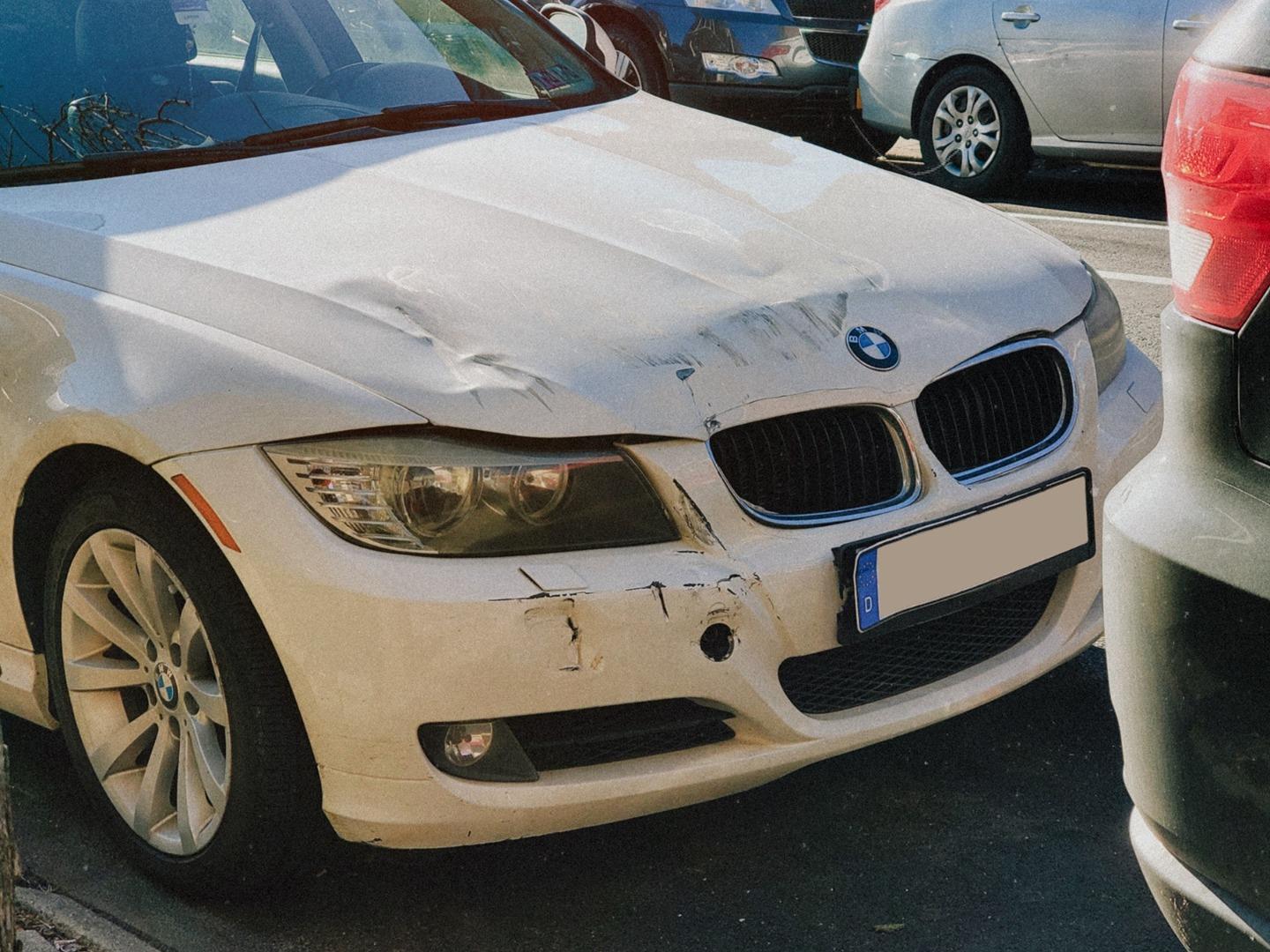
Accidents happen. While you may be a meticulous car owner, there's almost no way to guarantee that your car isn't going to pick up some damage at some point in time. Even keeping it parked in the garage will result in some deterioration of the vehicle's condition.
Related: How to check for damage before committing to buying
Damage can be classed as something as light as a few stone chips and parking lot pressure dents in the doors to something a lot more serious like accident damage. Not all damage is cosmetic though and wear and tear on engine and drivetrain components count as damage too.
This may be of concern to you if you're thinking of trading the car in. Below we'll look at whether you can or can not trade a car in that has damage.
Value
The main concern when it comes to trading in is the value of the vehicle; how much the dealership is prepared to pay you out for your vehicle. All damage negatively affects the value of your car. Dealers will not be too concerned with light damage such as stone chips and a few light scratches in the paint but it's when the damage is more noticeable they will start to counter.
The resale value of the car is largely determined by the demand, mileage and overall condition of the vehicle where low demand, high mileage, damaged vehicles become vehicles that they struggle to sell. Dealers would ideally like to sell your old car to its next owner the moment you drive off of the dealership floor as it costs them money to have that stock sitting idle with no interest. Therefore, it's in their best interest to only accept a trade-in of a quality car that is free of damage.

You will be able to trade in a car that has damage but the more severe the damage, the less likely you are to find a dealer that is prepared to do so. Severe accident damage and vehicles with problematic mechanicals will not be accepted by the majority of dealerships.
Vehicles with damage will not receive the same trade-in value as a damage-free vehicle. The dealership will have to repair the vehicle at their cost and this cost to them will be deducted from your trade-in value.
What can you do?
The best way to get the most for our trade-in is to have the damage repaired yourself. Whether it's through your insurance or with a cash deal, the returns will often justify the outlay. If the repair will cost you R5 000, for instance, you can be assured that you will get at least R7 000 more for your trade-in. Dealers will have an idea of the cost to repair and will factor in an additional buffer for their safety.
Small issues like hail damage, cracked windscreens, small dents and scratches often don't cost all that much to repair and the increased trade-in value that comes from addressing these issues is well worth the outlay.
Private sales can also be beneficial but one will have to disclose the damage in the listing to avoid issues with buyers who would be falsely led by your advert should you fail to mention them.