Which car battery charger is the best?
A car has a charging system designed to recharge the battery as soon as the engine is up and running. But to prevent overcharging of a battery, a car has to be run a fair distance before the charge taken out of the battery to start the car is replenished. This is where a good battery charger comes into play.


Battery basics and keeping them charged
In today’s motoring conditions, a heavier strain is put on a car battery than ever before. Stop-start system see engines being cranked by the starter motor every time a car comes to a halt in traffic. And modern cars have all sorts of power-draining systems included in their specification.If you drive your car every day for longish distances that include periods where the car is cruising fast on the highway, you may not need a battery charger. But if your car stands unused for days or weeks at a time for some reason, or is only used in city traffic, it is likely that the battery will deteriorate more quickly.
How is energy stored in a battery?
Lead acid batteries are the type of battery generally used in modern cars, and usually of 12-volt specification. Without getting too technical here, the energy is stored in a battery by means of a system that sees positive and negative plates placed side by side in sets of six (for a twelve-volt battery). The positive and negative plates are separated by an insulator. The plates are also connected to the connecting poles (positive and negative terminals) on the battery.
AutoTrader's Engines & Body Types Glossary of Terms
Within the outer battery casing, these plates are submerged in a solution of water and sulphuric acid. This solution contains the electric charge in your battery. The plates, made of lead, receive a charge from the car’s charging system which operates when the engine is run. This enables a new fully-charged battery to maintain its charge over a period of time, by contact between the plates and the battery fluid solution that surrounds the plates.
Draining the battery
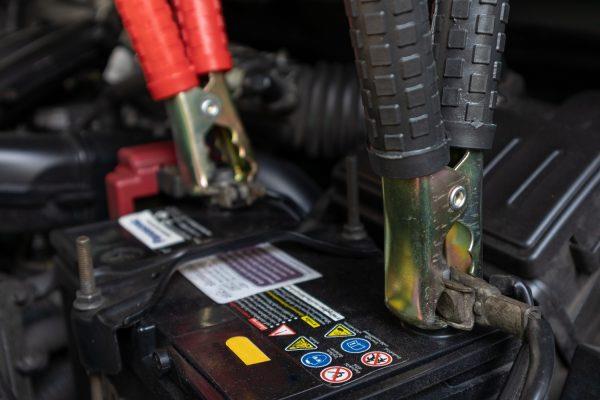
The battery discharges quickest when the starter motor is cranked to start the engine. Lights and other systems, such as audio, also place a big drain on the battery. If a battery is left to stand, it also discharges. And it discharges at a greater rate if the car’s battery terminals are connected. Other devices in modern cars such as alarms also discharge the battery while the car is standing. When the charge in the battery fluid is allowed to drop below a certain level, sulphate crystals begin to coat the plates. This makes the battery less able to hold a full charge as time goes on, as the plates don’t pass on the charge easily to the battery fluid
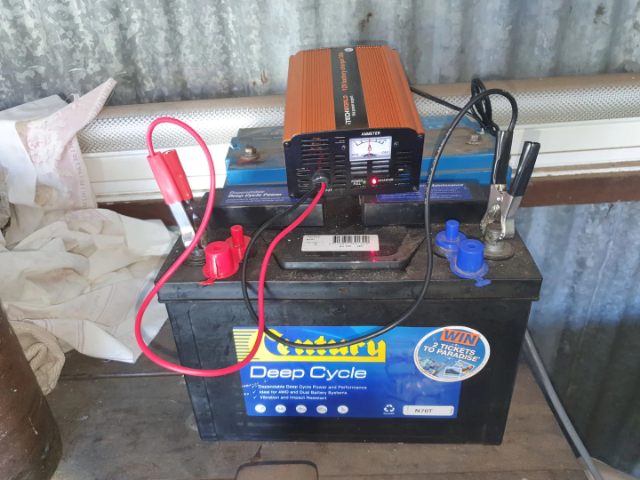
The remedy is to employ a battery charger to keep the battery charged
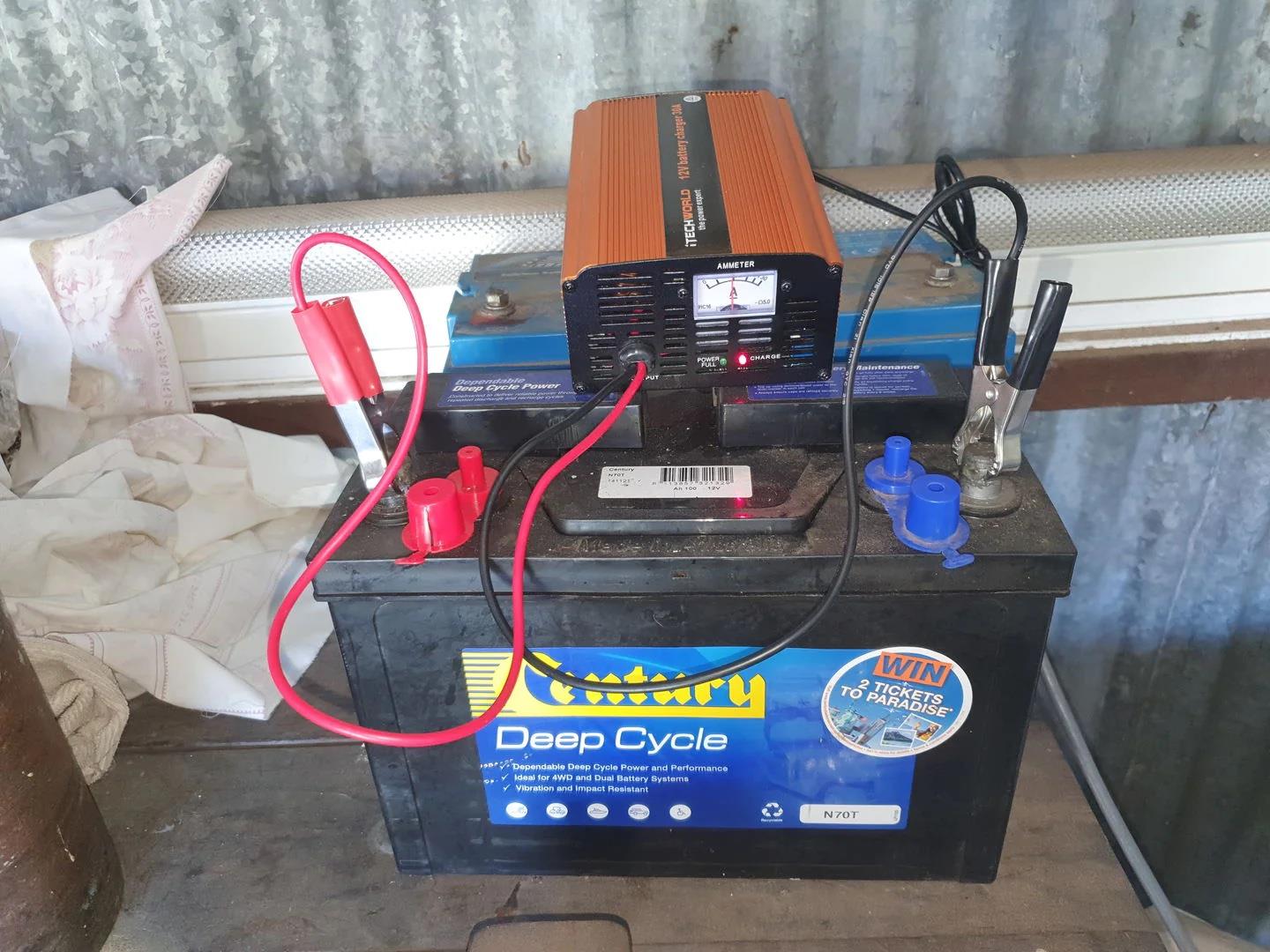
For all the reasons mentioned above, it is a good idea to keep a battery charged up to its full specification levels. Battery chargers that plug into a household or workshop’s 220 volt system are made to recharge batteries that have gone flat, or to keep a battery charged when the car is used.
What sorts of battery chargers are available?
There are various types of battery chargers available. AutoTrader recommends that before buying a battery charger, the car-owner should check whether it is of the type that automatically switches off once the battery is full charged. It is also worth noting that trickle charging – slow charging – a flat battery is generally better for battery life than giving it a fast charge.
Related: Can a battery charger jumpstart a car?
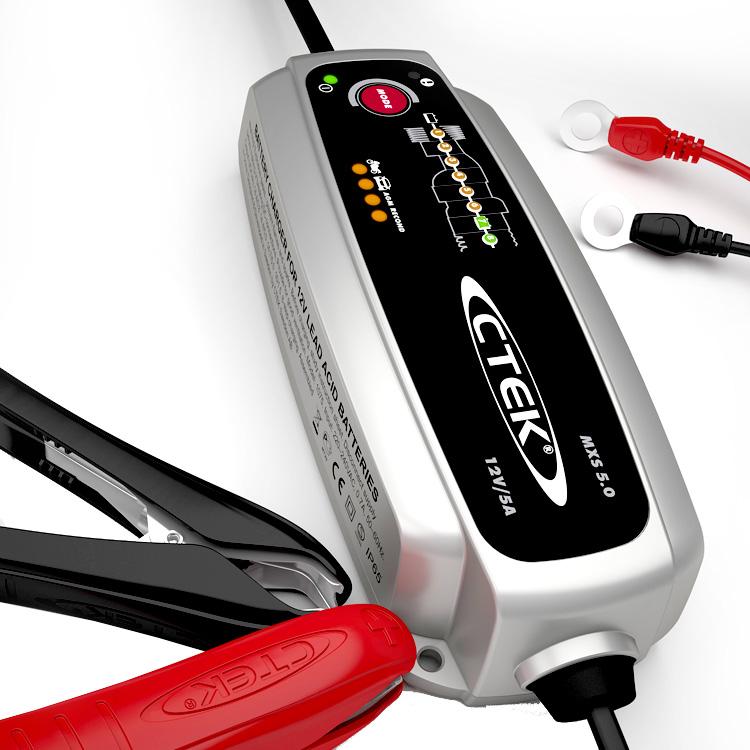
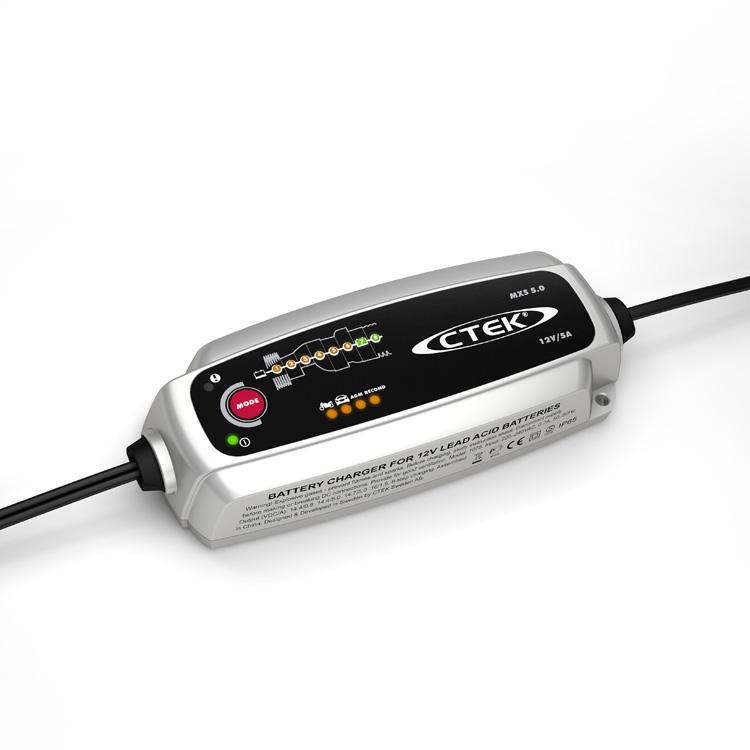
The best battery charger today, in our opinion, is the CTEC MXS 5.0. It is fairly expensive, retailing at R2 005, but it is rated as the most advanced charger in the premium price category, for the charging of lead acid batteries. The MXS 5.0 employs a unique eight-phase charging process when it is hooked up to your car’s battery. And, incidentally, you don’t have to remove the car battery to start charging it.

The phases that the CTEK charger goes through are:
1. A de-sulphation step, which sends pulsing voltage through the battery, exciting the sulphate crystals that have formed on the plates, and causing them to drop off the plates.
2. The second step checks if the battery can accept a charge, and starts the charging process gradually if all is well.
3. The next phase is to give the battery a full charge until it reaches 80 per cent of charging capacity.
The charger then slowly charges the battery up to full capacity, and also checks if the battery is able to hold a charge. If the battery is battling to hold a charge, the charger moves into a re-conditioning mode to revitalise the battery fluid. It does this by exciting the sulphur in the solution which may have dropped to the bottom of the battery casing.
The charger will then charge the battery to a 100 per cent level. Thereafter it will switch off, and then only re-start again intermittently, maintaining a charge level of between 95 and 100 per cent.
AutoTrader has canvassed enthusiasts who have used this charger to maintain the batteries in their car collections, and they are convinced that this the market-leading battery charger today for the discerning motorist.