

Electrifying
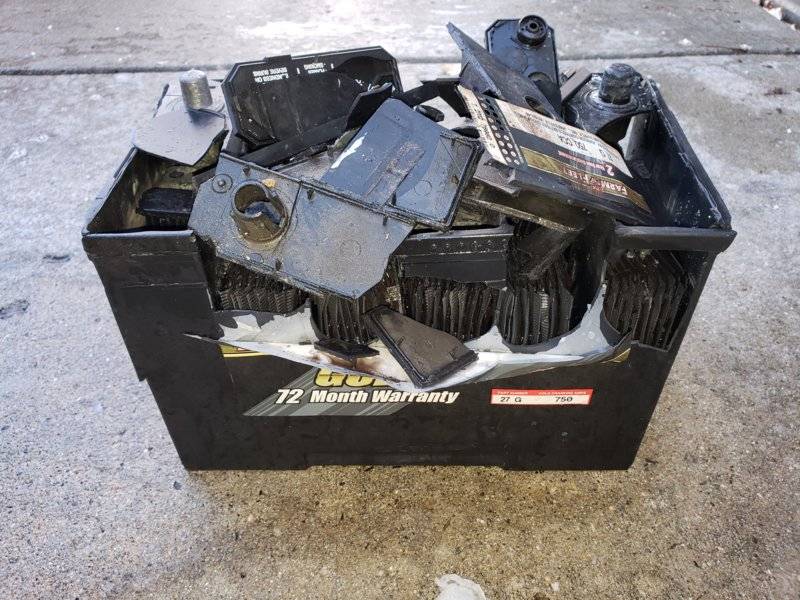
Before you panic, know that a car battery on its own will never explode for no reason: a sequence of events needs to happen before an explosion occurs. Knowing how car batteries work is the first step in understanding why this is so.
Related: Which is the best car battery?
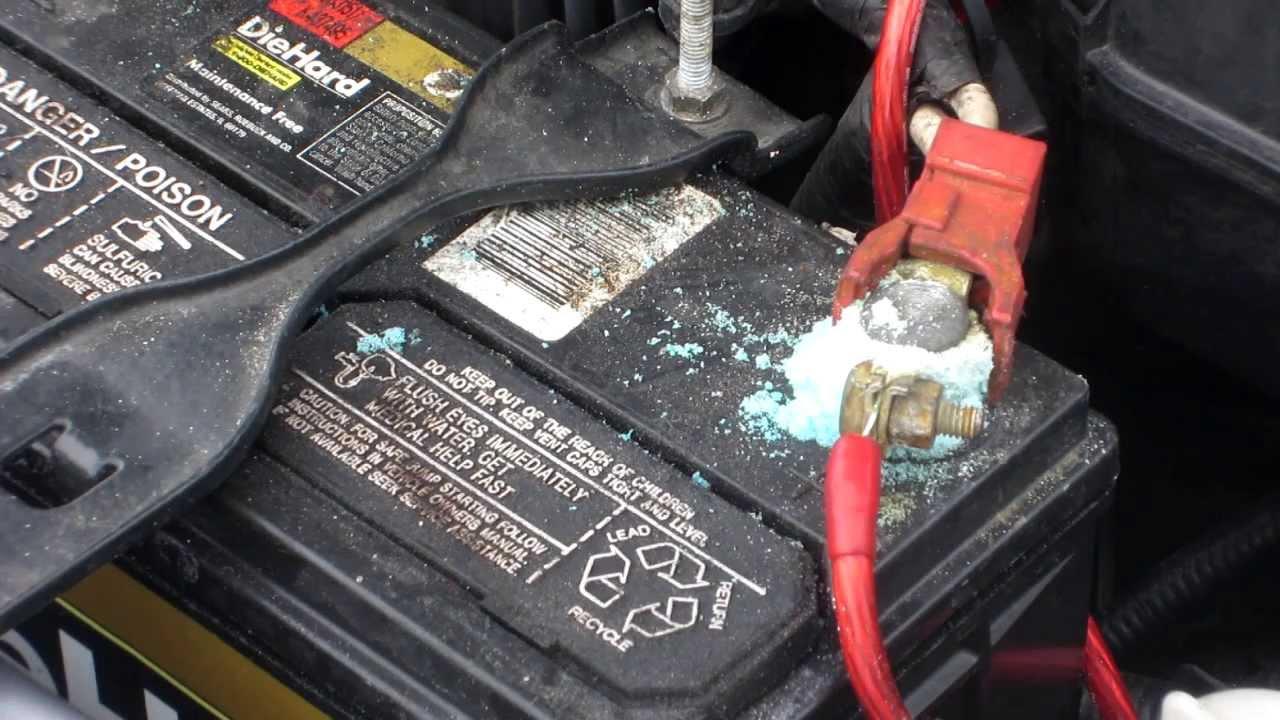
The underlying architecture of most mainstream car batteries hasn’t changed much since the early 20th century. Basically, a series of lead plates submerged in sulphuric acid generate a charge. The chemical reaction between the plates and acid allows the battery to charge, store, and release electrical current.
The acid truth about batteries

Chemistry 101
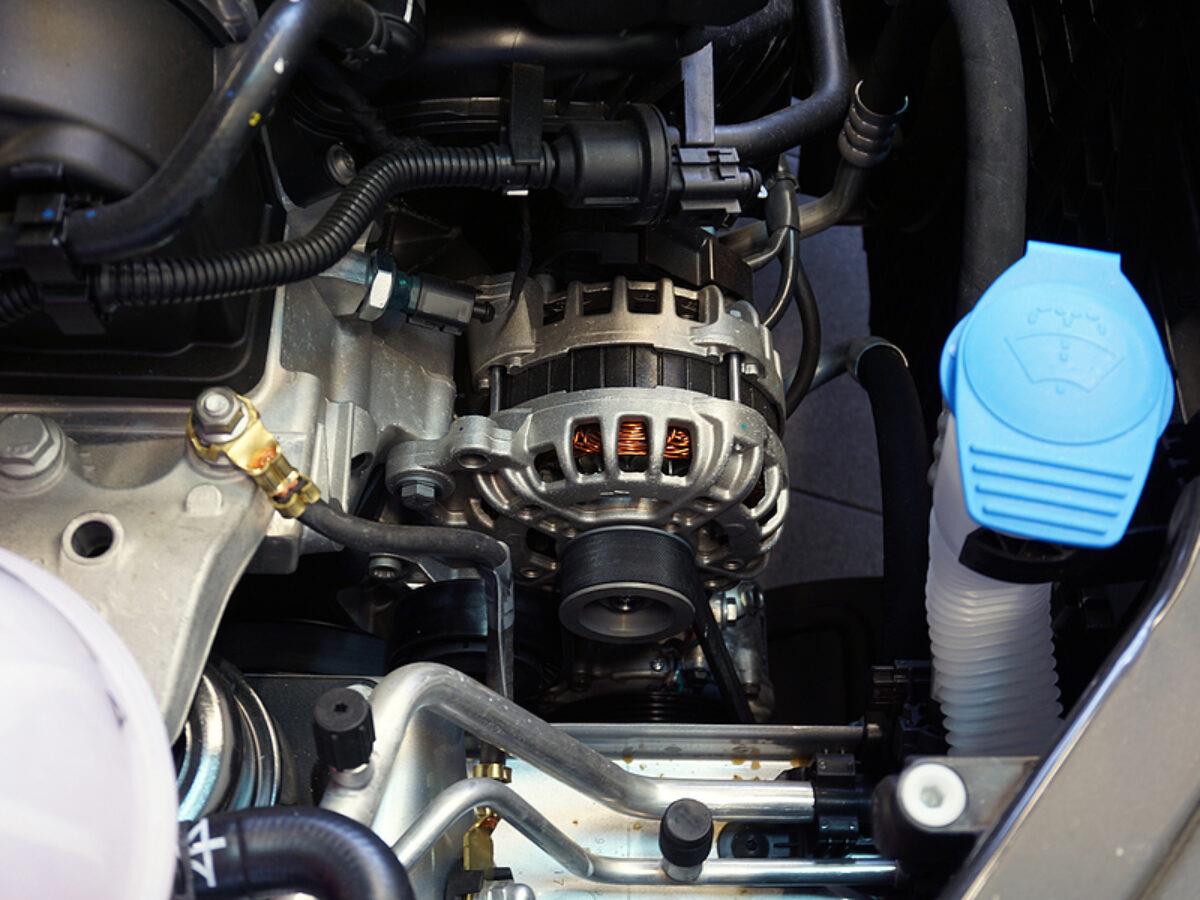
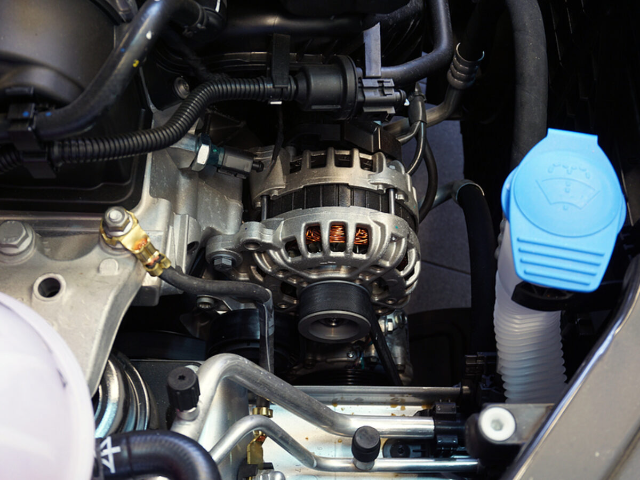
However, one of the by-products of this chemical reaction is hydrogen gas, which is vented out of the battery case during charging (whether by a battery charger or an alternator) and dissipates quickly into the atmosphere. But, if the battery case were improperly ventilated or enclosed, and an ignition source was present during the release of this gas during charging, a small explosion could occur.
Get an Instant Offer for your car here
The other possible ways for a car battery to explode involve the vehicle's primary electrical system. Firstly, a dead short circuit somewhere in the electrical harness may lead to a too-high discharge rate, which will heat up the battery very quickly and potentially cause it to melt down - generating enough heat to ignite lingering hydrogen gas in or near the battery.
Engineering 101
Can electric car batteries explode?
Maintenance-free or sealed gel batteries cannot explode as there is no liquid acid present, and the chemical makeup of the battery differs from that of the lead-acid type. No hydrogen gas is generated, so there is no risk of a spark igniting anything.

Keep it safe
We recommend regular battery maintenance to prevent any possible accidents, such as checking battery water levels if you have a lead-acid battery and ensuring that your charging system is working correctly.
Get a free valuation of your car here
Replace your battery at the regular service interval of 24 months if it’s a sealed unit, and familiarise yourself with jump-starting and battery-charging techniques to prevent possible battery- or electrical damage.