
The complete guide to buying, owning and selling your Ford Fiesta
After arriving on local shores back in the 1990s, the Ford Fiesta has steadily gained the affection and respect of many South African buyers. Now into its fourth generation (locally), this model range has expanded to meet the demands of modern supermini buyers, and added sophistication and style with each new iteration. Read on to find out everything you need to know about buying, owning and selling your Ford Fiesta.

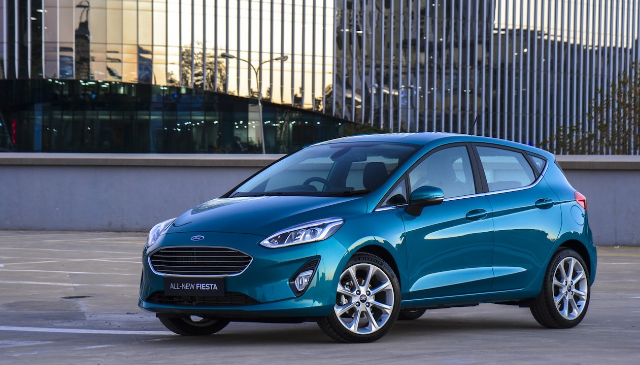
From rather humble beginnings, the Ford Fiesta has evolved into quite a sophisticated small hatchback, with a much more-premium image and more high-tech equipment than when it first appeared as a bargain-basement city car.
5 key facts you should know about the Ford Fiesta.
1. In its current guise, the Fiesta can be had with 3 engine choices (two petrol and one diesel), along with 2 gearboxes (6-speed units in either manual- or automatic form).
2. There’s only one body style available, so cosmetic differentiation is limited to the styling apparel of the two trim levels.
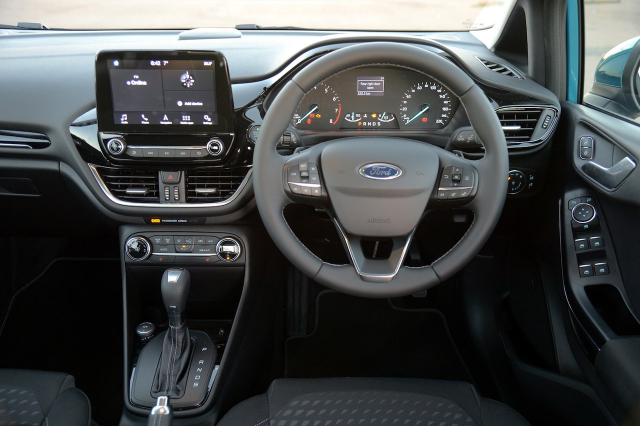
3. Forget about its “economy hatch” origins, because the latest Fiesta is very well-trimmed and loaded with high-tech equipment.
4. The standard petrol engine is a multiple award winner, and demonstrates the effectiveness of downsizing done right.
5. Just like its predecessors, the current Fiesta is great fun to drive, with great chassis dynamics and peppy performance (especially in petrol guise).
Summary
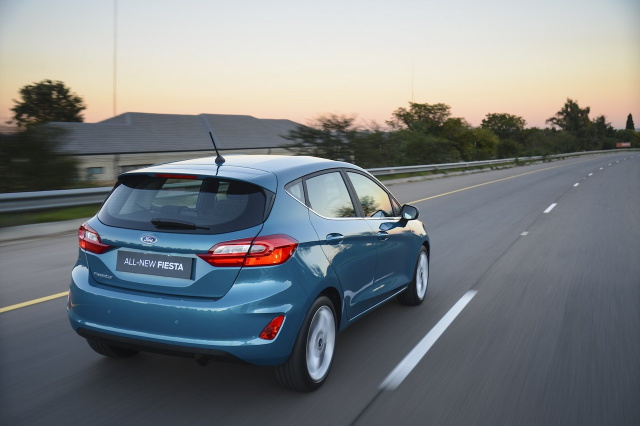
When the Ford Fiesta first landed in South Africa, it didn’t really make the splash for which Ford might have hoped – mainly because it was at first saddled with an ancient push-rod engine, which lacked the punchy engines then on offer from its main opponents (the VW Polo Playa and Opel Corsa). This problem was soon rectified with the introduction of modern, overhead cam powerplants, but the damage was done.
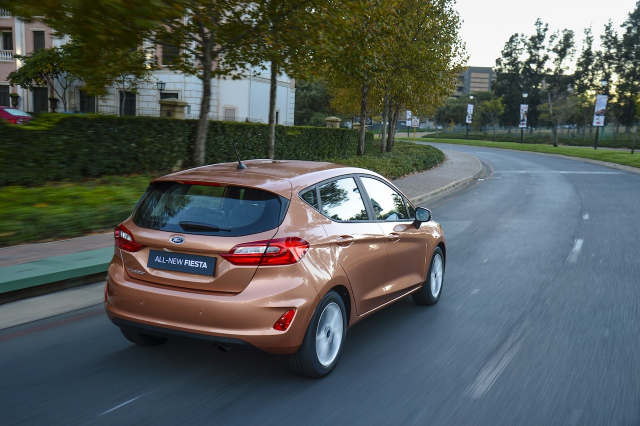
It was only when the fifth-generation Fiesta arrived, bristling with modern tech and crisp styling, that this range started to make significant inroads into its market segment. This trend then gained momentum, leading to the Fiestas on sale today: stylish, well-appointed and nicely trimmed inside and out, and with thoroughly competitive powertrains.
Pros & cons
Pros
- It might be a small car, but thanks to clever packaging and a raised roof, today’s Fiesta boasts cabin space surpassing that of most traditional mid-sized saloons.
- Handling dynamics have been a Fiesta strong point for decades now, and the latest one is also blessed with a really engaging driving experience and well-balanced handling capabilities.
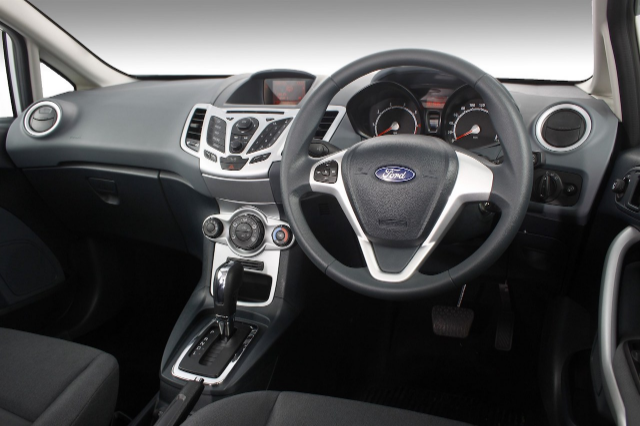
- Cabin quality took a definite step upwards with the current (seventh-generation) Fiesta, with soft-touch plastics and well-weighted switchgear finally bringing it up to the level of its European opponents.
- High-spec Fiestas offer all manner of modern convenience- and safety equipment, and all Fiestas offer a 5-star Euro-NCAP crash test rating to complement their standard 6 airbags.
- Up-to-date EcoBoost engines punch far above their size class, and the turbodiesel option is a real fuel miser – both helped along by new-generation 6-speed gearboxes.
Cons
- Thanks to its steady move upmarket, the Fiesta is no longer the bargain-priced entry point to Ford’s model range. To compensate for this, Ford also offers the closely-related Figo, which uses the same platform but with simpler trimmings and a lower specification level.
- When driven with the verve encouraged by its 1.0-litre 3-cylinder turbopetrol mill, fuel consumption could be surprisingly high for a small car with a small engine.
- Front seat occupants have plenty of room all round, but leg- and shoulder room will be tight for anyone getting stuck behind a tall driver.
- That stylish rising shoulder line creates major blind spots for the driver, and could make rear-seat passengers feel a bit claustrophobic.
- While its very frugal and quite refined, the 1.5-litre turbodiesel is a bit slow – a fact alluded to by its modest claimed power outputs.
- It’s unlikely that we’ll ever see the new on local roads, and that’s very sad news indeed. Ford reckons that this is due to our fuel quality, but we suspect that it’s really because the fully-imported Fiesta ST wouldn’t be able to compete with the locally-made Polo GTI on price...
Similar cars to the Ford Fiesta
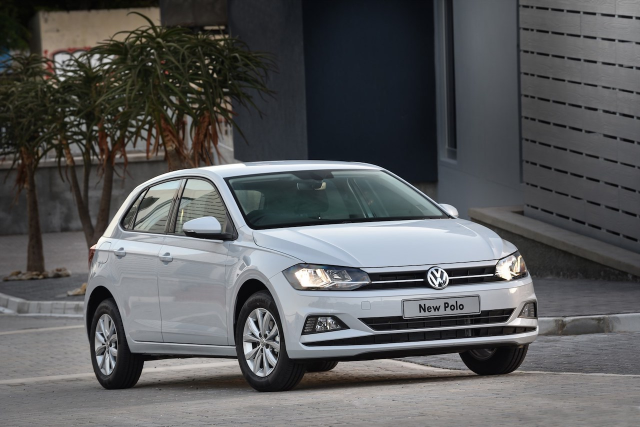
This is the class leader, and one of South Africa’s best-selling passenger vehicles (only surpassed by the budget-oriented Polo Vivo). Now rolling on VW’s MQB components set, the latest Polo is really just a scaled-down Golf, with all the sophistication and technology that implies. Local assembly also helps to keeps its price to manageable levels.
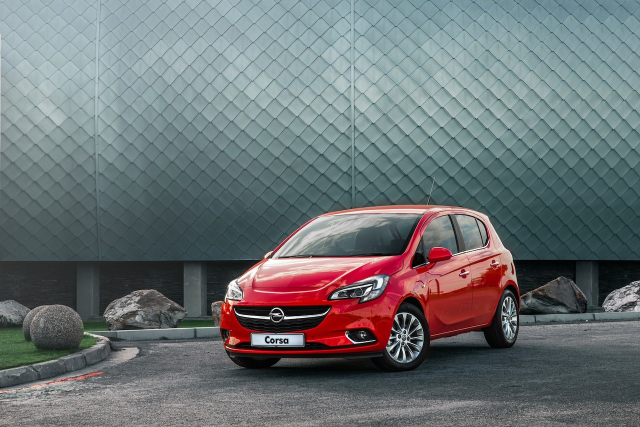
Like the Fiesta, the current Corsa can also trace its ancestry back to the previous-generation model, albeit with similarly substantial updates along the way. Like the Polo and Fiesta, it also comes with modern downsized engines, and boast upmarket (for this class) cabin appointments. It undercuts the Fiesta on pricing, but swaps the diesel engine option for a higher-performance (and rather pricey) petrol variant.
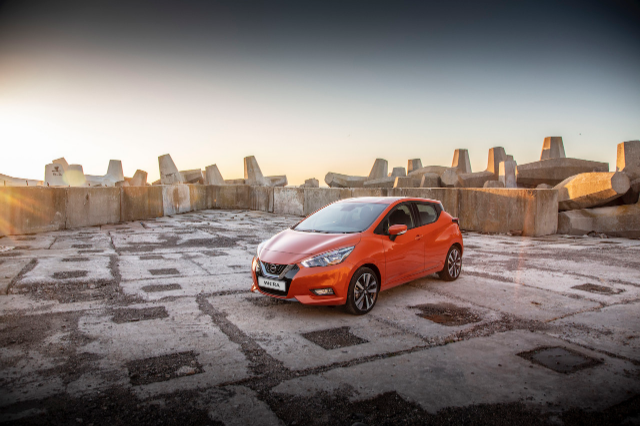
This one is an all-new design, and ended up as a finalist in the 2019 AutoTrader SA Car of the Year contest. Funky design inside and out, plenty of modern gadgets, and good build quality makes the new Micra a strong contender in an appealing field. Priced at a similar level to the Fiesta, the Micra’s weakest element is its rather dated 0.9-litre turbo engine, which is out-powered by almost everything else at its price point.
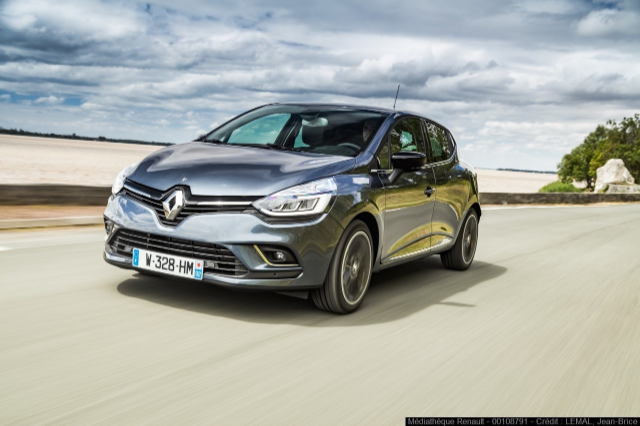
Closely related to the new Micra, the Renault Clio has a broader spread of engine choices than its Japanese cousin, and matches the Fiesta on exterior design. It’s also well-equipped and good value for money in this company, even if its outright build quality lags the Polo/Fiesta/Corsa trio.
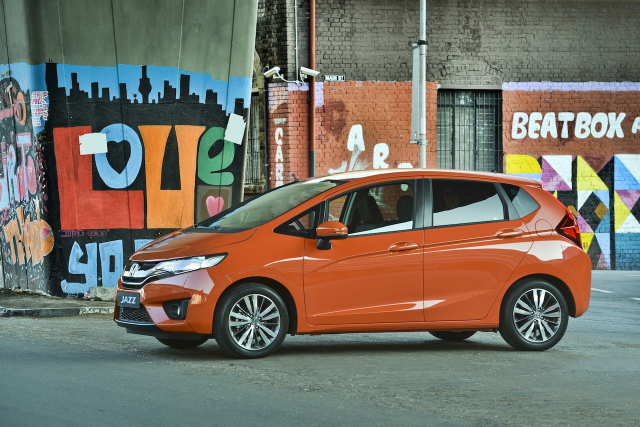
This one is the pragmatist’s choice, with cabin space and versatility which belies its compact footprint. While Jazz engines are mostly underpowered (compared to the Fiesta’s EcoBoost units), they are very frugal, and longevity is a given. It’s also won’t really be a keen driver’s first choice, but its pricing partly overlaps the Fiesta range, and its clever Magic Seat packaging helps it to overshadow all competitors in the practicality stakes.
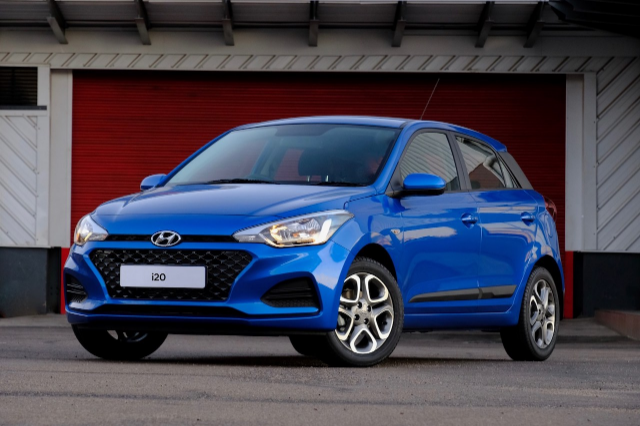
Competing with the lower-spec Fiestas on price and size, the i20 is frankly a bit over-matched in this company. Forget about soft-touch plastics or turbo-boosted performance, because the i20 majors on conservative engineering and good build quality (even if the cabin materials aren’t as plush), and is aimed at slightly more budget-conscious buyers. It looks attractive enough, though, even if it’s not as overtly sporty in appearance as many of these alternatives.
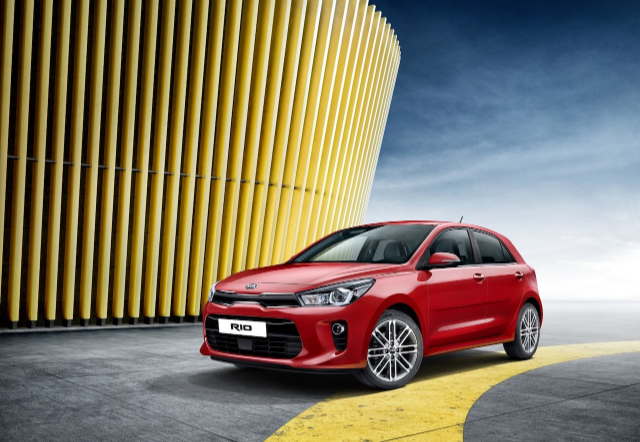
Much like the (closely related) Hyundai i20, the Kia Rio lacks the Fiesta’s drivetrain sophistication. Unlike the i20, the Rio does have added flair to its styling, and has up-to-date equipment available, along with nicer cabin materials to compensate for its under-bonnet deficiencies.
New vs used Ford Fiesta
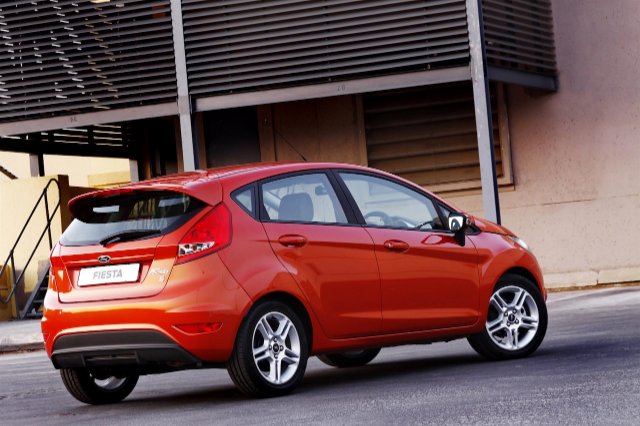
Seeing as the current Fiesta is still a fairly new car, we’ll include the older (sixth-generation) Fiesta in our “used Fiesta” grouping. The latest model is essentially an extensive facelift of the old car, and offers a similar engine range to the facelifted variants of its predecessor. This opens up a much wider selection of pre-owned Fiestas, ranging from the earliest 2009 models right up to the run-out cars from 2018.
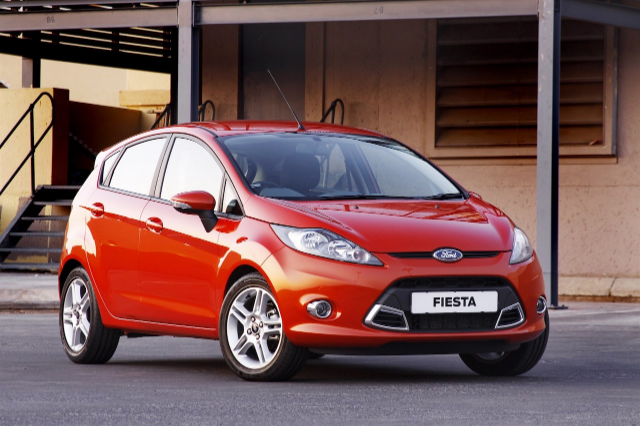
Apart from the refreshed looks, updated technology, and upscale cabin design, the older Fiesta offered most of the current model’s good attributes. However, older examples won’t offer the new car’s warranty for 4 years or 120 000 km, nor would it benefit from the new car’s service plan for 4 years or 60 000 km. This could be a deciding factor for many buyers, and will automatically steer those customers away from buying a used Fiesta.
However, late-model previous-generation Fiestas may still have their warranties and service plans intact, the balance of which should be transferable to new owners after sorting out the appropriate paperwork with the Ford dealership. In this way, buyers can get most of the goodness and after-sales backup of the new Fiesta, but at relative bargain prices. These cars should only be serviced and repaired at OEM (agent) workshops, because the servicing is in many cases already paid for, and to ensure that the warranty remains active.
But, once the warranty has expired, there’s only one reason to keep servicing the car at the dealership: the service history. A dealership service record may stand you in good stead when it’s time to sell your Fiesta, because such a full service record could add a few thousand Rands to your trade-in value. You will however have to pay dealership labour rates, which are generally much higher than those of non-OEM (private) service centres.
Fortunately, it’s not hugely expensive to service and maintain a Fiesta, because spare parts are reasonably well-supported through second-tier suppliers, and because the cars are fairly well-known in the industry, it won’t be too difficult to find a competent non-OEM workshop to take care of the car. Just be aware that Ford spare parts (both OEM and aftermarket) tend to be on the pricey side, and many components are only available from the agents.
There’s one major upside to buying an older Fiesta, though, and that’s the initial purchase price. These cars do suffer from quite significant depreciation, so their values tend to drop quite rapidly once they’re a few years old or the odometer shows some distance. Earlier examples (up till about 2014) can be had for less than R 100 000, which translates to about 35% of the value of a new, similarly-trimmed Fiesta. This makes for good used-car shopping, as is evident by the vast selection of older Fiestas listed right here on AutoTrader.
Leasing
This will be the preferred option for fleet managers, because it’s a pay-to-use deal, but can also be applied to private buyers. The buyer pays a certain amount every month for the privilege of using the car, and simply returns the car at the end of the lease period. These cars generally end up on pre-owned floors or at fleet sales outlets. Lease agreements generally run for a fixed term, and most of them have an upper yearly mileage limit, so make sure that such an arrangement will fit your usage needs.
The upside of leasing is that the burden of getting rid of the used car is removed from the buyer, and that there will be no further outstanding balance to settle, such as the buyer would find in a hire-purchase deal with a residual value. The downside is that the buyer will end up paying for a car for a number of years, but have no tangible asset to show afterwards.
Hire purchase and balloon payments
Some dealerships and finance houses also offer different financing options, with hire-purchase transactions being the most common. In such a transaction, the buyer will put down a deposit on the car, and then proceed to pay monthly instalments until the car, along with interest and finance charges, are fully paid.
So far, so good. But hire-purchase deals have a nastier sibling, which works in mostly the same way, but with an outstanding value at the end of the payment period. Many financing deals are structured in this way, to make the monthly instalments seem more affordable, but in the longer term, these deals end up costing a lot more than they do at first glance.
This outstanding value is known as a residual value or a balloon payment, and is usually due along with the final “normal” instalment. Most banks and finance houses will allow the buyer to finance this residual value, provided the car’s value is still higher than the outstanding amount. This might prove problematic for older Fiestas, due to their steep depreciation curve in the pre-owned market.
Average costs of running a Ford Fiesta
While it’s impossible to accurately predict how much any car will cost to run in the short- or long term, it’s worth noting a few points:
- All new Fiestas come standard with a warranty for 4 years or 120 000 km, along with a service plan for 4 years or 60 000 km.
- The Ford Fiesta is considered to be a high-risk vehicle by the insurance industry, but not because it’s particularly popular among the long-fingered. Instead, recent reports indicate that there’s a security weakness relating to the door locks, which makes older Fiestas (and the related EcoBoost) appealing to opportunistic thieves. This weakness in older examples has now been addressed by Ford, but it nonetheless placed the Fiesta in the high-risk category with insurers. However, remember that an insurance risk profile is extremely dependent on the car’s storage security arrangements, areas in which it travels, and even total mileage accumulated in business use.
- Although Ford claims stunning average consumption figures for their EcoBoost-engined Fiestas, real-world testing has shown them to return closer to the 6.0 litres/100 km mark, rather than the 4.3 litres/100 km claimed average consumption. Still not profligate by any means, but not quite as low as those claims could lead you to believe.
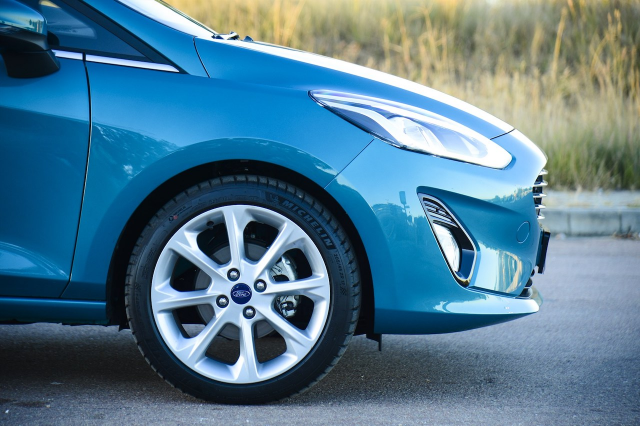
- Older Fiestas started out with mainly 14- and 15-inch wheels, growing to 16- or 17-inch wheels for the latest model. This means that older (previous-generation) Fiestas can be notably less expensive on rubber than later ones.
Where to buy a car
Seeing as the Fiesta has been around for years, you’ll be able to find a multitude of them at Ford dealerships on both new- and used-car floors, as well as on used-car showroom floors. Cars will be advertised by individual dealerships, which may be part of larger dealership groups, or operate as independent dealers. Either way, each dealer is responsible for their own operations, and it may be a good idea to compare different deals from the various dealerships to find the most beneficial terms for your needs.
How to get the best car deal
You might be surprised to learn that buying a car often has some opportunity for haggling. Don’t imagine that you’ll get 50% off the purchase price, but you might be able to score a few thousand here or there, under certain conditions:
- If the car has been standing at a dealership for a few weeks, chances are that the dealer will be willing to drop his asking price, just to get rid of old stock. This is because old (slow-selling) stock costs them money to keep around, and they might be willing to even accept a smaller profit margin, just to get rid of that specific car. However, due to the Fiesta’s popularity, stock doesn’t linger in the showroom for very long, so the chances are slim that this negotiating angle will work.
- If it’s close to a manufacturer’s year-end, there’s added pressure on dealers to sell their allocated quotas of vehicles. This means that the manufacturer might incentivise new vehicle transactions, just to meet yearly sales figures. Keep an eye open for such offers, often advertised as “cash back” or “trade assistance”, and you may just score a great deal.
- Close to the end of the calendar year, or when a model update is imminent, new cars can sometimes be bought with remarkable discounts, to clear dealer inventory of older-specification cars and make room for fresh stock.
- Be aware that “On The Road fees" have been deemed illegal to finance, so insist that the dealer itemise those items on your invoice. Once you have that information, you will be able to negotiate a reduction in those fees.
Maintaining your Ford Fiesta
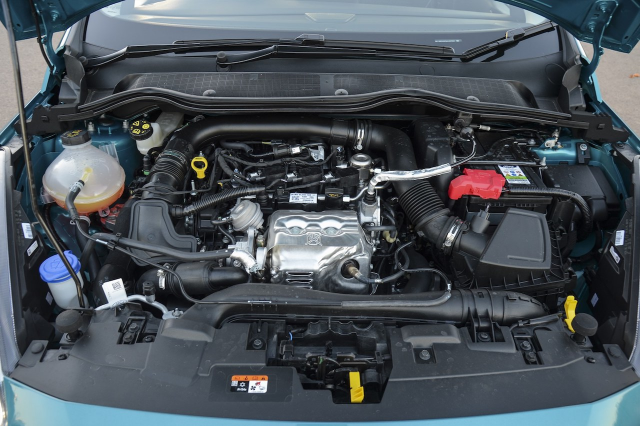
If you buy a used Fiesta with an expired warranty, you can choose to have it serviced and maintained at either the Ford dealership, or at a private service centre. OEM Ford parts are generally rather expensive, and dealership workshop labour rates are quite high as well. If your Fiesta has an active service plan, you’ll have no reason to take it anywhere else, though, as it’s all included in that perk.
Private (or non-OEM) service centres have much lower labour rates than the agents, and they will have access to second-tier (non-OEM branded, but still produced according to OEM specifications) parts supplies as well. Aftermarket support for Ford body- and mechanical components is fairly strong, so you may find that most components can be found at either the agents or from non-OEM parts shops. However, going the non-OEM route may adversely affect your car’s resale value, as this also means that the car won’t have a full dealership service record.
The Fiesta has been on the market long enough for any flaws and failings to be fairly well-known. They are generally well-regarded, although electronic issues may rear their heads on many older examples. Some build quality issues are also known, relating to relatively minor things like a loosened bolt or a poor electrical connection here or there.
The biggest cause for concern relates to the 6-speed dual-clutch automatic gearbox with which some previous-generation Fiesta EcoBoost variants were equipped, called PowerShift by Ford. This transmission has been the cause of a world-wide controversy, due to a number of inherent design flaws and poor programming. As this drama is still unfolding at the time of writing, the bottom line is that PowerShift cars are best avoided in the pre-owned market, due to the potential for expensive (and out-of-warranty) failures.
This does NOT apply to early sixth-generation or current-generation Fiestas, however, as the older 1.4- and 1.6-litre cars didn't use this transmission, and they dropped the PowerShift gearbox altogether during the model's changeover, in favour of a conventional torque-converter automatic.
Selling your car
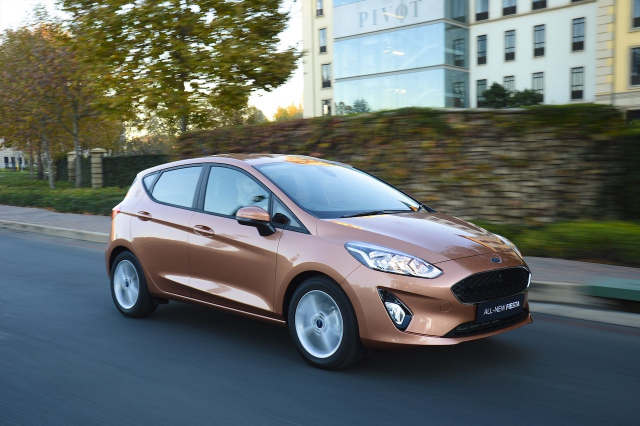
You most likely won’t be able to get your money back when you sell your Fiesta, even if you’ve only had it only for a short while, due to the rather steep depreciation of this model. Putting it simply, almost all cars lose value on a continuous basis from the moment they’re first sold. Depreciation does allow you to find good-condition, low-mileage Fiestas at relative bargain prices, though, so you could save a neat bundle by going for a lightly-used new car.
There are however some things you could do to get the best price for your car, when you decide to sell it.
- The first is simply trading it in on something newer or different. Taking this route will net you a lower value (trade price or thereabouts), but it simplifies the transaction, and will be a quicker process.
- Any outstanding balance on your finance agreement will have to be settled first, before the proceeds from the sale could go towards a down payment on your next car. For this reason, you should make sure that your trade-in offer (or selling price) is actually more than the amount you still owe on the car, else you’ll just end up deeper in debt than strictly necessary.
- Because Ford Fiestas are very popular in the pre-owned market, you likely won’t struggle too much to sell it privately. This will fetch a higher value than simply trading it in, albeit with some extra effort on your part.
- Do your research: Your expectation of your car’s worth may not necessarily align with the dictates of market forces. Knowing beforehand how much a car like yours is worth in the used market will give you a better idea of the real value of your car, giving you a target for which to aim.
- Presentation is key: If you arrive at a dealership (or want to show your car to a private buyer), but your car looks like it just drove 100 kilometres on a dirt road or through a ploughed field, it will appear as though the poor thing has had a hard life. This will make for a lower offer from the buyer. The same applies to minor dings and scratches, where a little bit of pre-sale repair work can give the car’s value a useful boost.
- Keep records: This pertains to service records, as well as any maintenance- or repair work that’s been performed on the car. If you can prove that your car was well-maintained and regularly serviced, the buyer will be less concerned about unknown flaws hiding below the surface. This should lead to a better offer when you want to sell it.
Related Reading:
Read all about the changes wrought for the seventh-generation Fiesta in our 2018 launch report.
Get more information about the Fiesta's recent security flaw and Ford's solution to the problem.
