Pre-Festive season maintenance: Happy holidays, but check those tyres out!
If you are embarking on a long trip to the coast, the mountains, or wherever you are going in order to feel festive this season, one of the first things you should do regarding the family chariot is to check the condition of your car’s tyres.



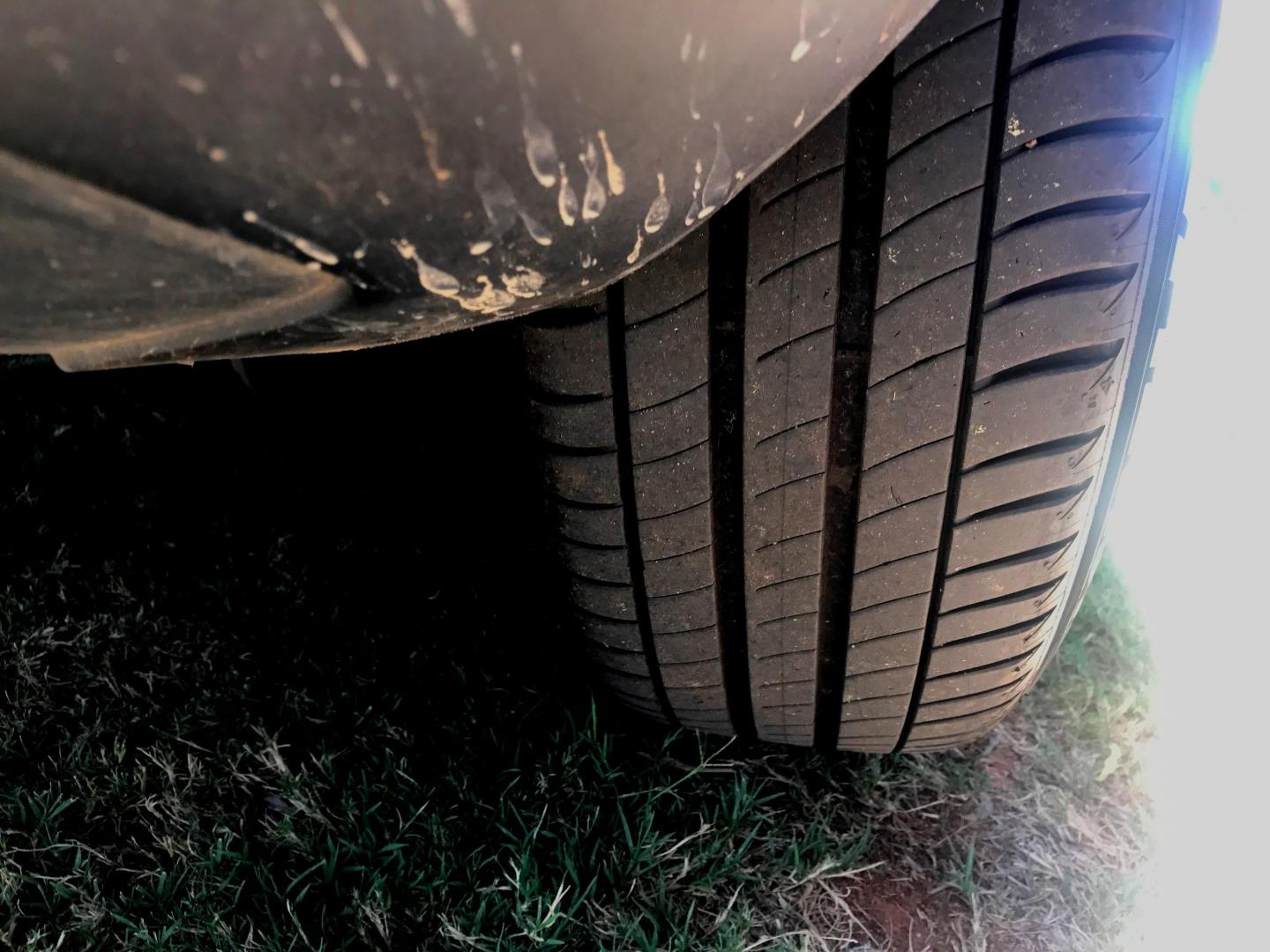
Car tyres are quite amazing. A few years back, one of the world’s most famous motoring journalists was asked what the biggest advance in car technology was during his time in the industry—and his track record stretched back to before World War II—and he replied, “the fact that you rarely get punctures anymore.”

That’s quite a statement, given the fact that cars have developed so amazingly over the past 120 years. But read any old article regarding motoring in South Africa a couple of decades ago, and you are likely to find some reference to “having to stop and change a wheel.” (These are the best tyres for rain.)
Well, punctures may be a rare occurrence today , but they still happen. And if you are on holiday with the car’s boot loaded to the gills and children in the back dying to go to the nearest rest room, the last thing you want is a puncture.
When are car tyres unsafe? Watch our video on this topic.
Long trips: this is most likely when a tyre will get a puncture
Unfortunately, it is on long trips that you are quite likely to pick up a puncture. A heavily loaded car is more likely to pick up a puncture as the tyres will deform slightly under load. And blow-outs are more likely to occur too, as there is an increase in tyre temperatures over long distances.

What can you do to minimise the chances of a puncture or blow-out?
- First, inspect your car’s tyres and ensure they are in good condition.
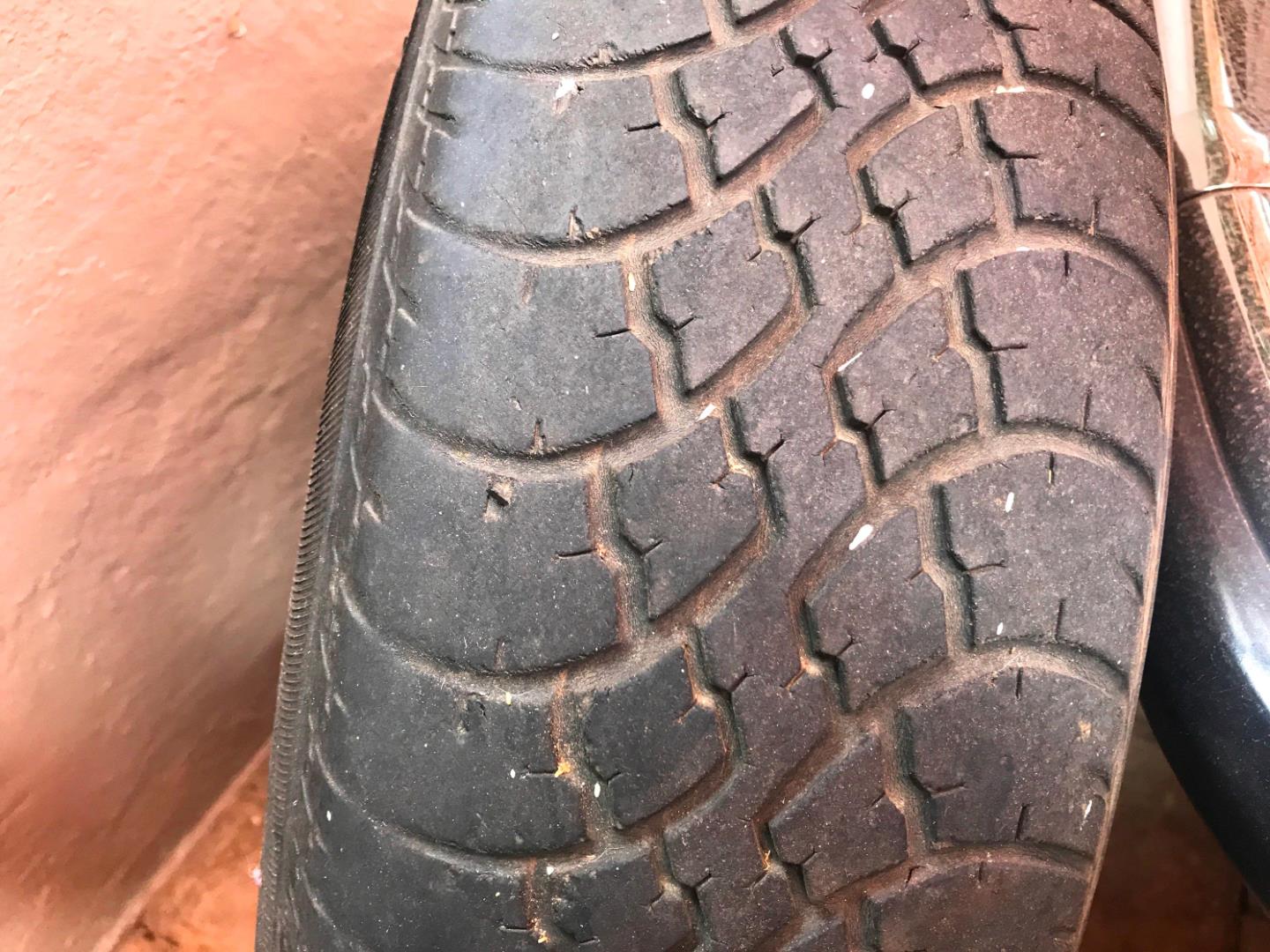
- Examine the inside edges of the tyre for wear—the edges tucked away from sight closer to the engine or rear axle. Often, this is where tyre wear occurs and remains undetected in a cursory examination. Get down on your knees and have a good look at all the tyres. (These are the 6 best tyre repair kits to buy)
- Examine the side wall of the tyre for cracks (due to old age), cuts and nicks, and most importantly, bubbles or bulges. A side-wall bulge can occur after a tyre has struck a pothole hard, and this indicates the tyre’s carcass or casing (inner construction) has been damaged. This situation is a blow-out just waiting to happen. Here's how to check tread depth.
- Replace any dodgy tyres, and if you replace one, you should at least replace the corresponding tyre on the same axle. This way, the two tyres on the same axle will wear evenly. Here's how to decode your tyre size.
- Get your car’s wheel alignment checked. Any signs of scuffing on the outer or inner edges of the tyres indicate that the wheel alignment is out. Tyre fitment centres will do the job for you, and it is neither expensive nor very time-consuming.
- Make sure your car’s tyres are inflated properly. See similar AutoTrader articles on correct tyre inflation. Here are the reasons why a car tyre won't inflate.
- Get the correct tyre pressure for your car. These will normally be on a sticker in the door jam or behind the fuel flap on some models. The pressures should also be listed in the car’s handbook. For longer, higher-speed journeys, inflate the tyres to the upper recommended limit, which today should be between 2,3 and 2,7 bar for most cars. Find out when you can repair a tyre instead of changing it.
- Check that spare wheel out. We have seen some classic cars that are four or five decades old where the original spare wheel is still in place! Before a log trip, check that your spare wheel is inflated to the correct pressure. Here is how to check tyre pressure.
- If it is a space-saver spare wheel (a skinny one), check that it is inflated correctly. Often, space-saver spares have different inflation pressures than the rest of the car’s tyres. Here's how to change a tyre.
Bigger is better: Make space for a full-size wheel in the boot if you can
If you have a space-saver spare as part of your car’s specification, be aware that if you have to fit it because of a puncture, the full-sized wheel you’ve replaced is going to take up more space than the space-saver. So, if at all possible, allow a little leeway for this in the luggage compartment. It's not easy, but you wouldn’t want Aunty Annabelle to have to travel a couple of hundred kilometres with a 205/50 R15 on her lap now, would you?
Related: Why does a tyre keep going flat?

Familiarise yourself with the jack and wheel spanner (in case you need to change a tyre)
Check out the jack and wheel spanner before you leave and see that they are in good condition. See that you understand how to use them. Keep in mind that wheel nuts that have been on for a long time can be really difficult to loosen. You may want to include a length of hollow steel pipe that fits over the handle end of the wheel spanner to give you leverage to loosen a nut that may have tightened to the point where normal arm muscle is not good enough to loosen the nuts.
Another good way to loosen a tight wheel nut is to use your legs. However, ensure that someone keeps the socket end of the wheel spanner steady on the nut. You don’t want the spanner to slip and round off the corners of the wheel nut.
Related: Can incorret tyre pressure decrease your car's efficiency?