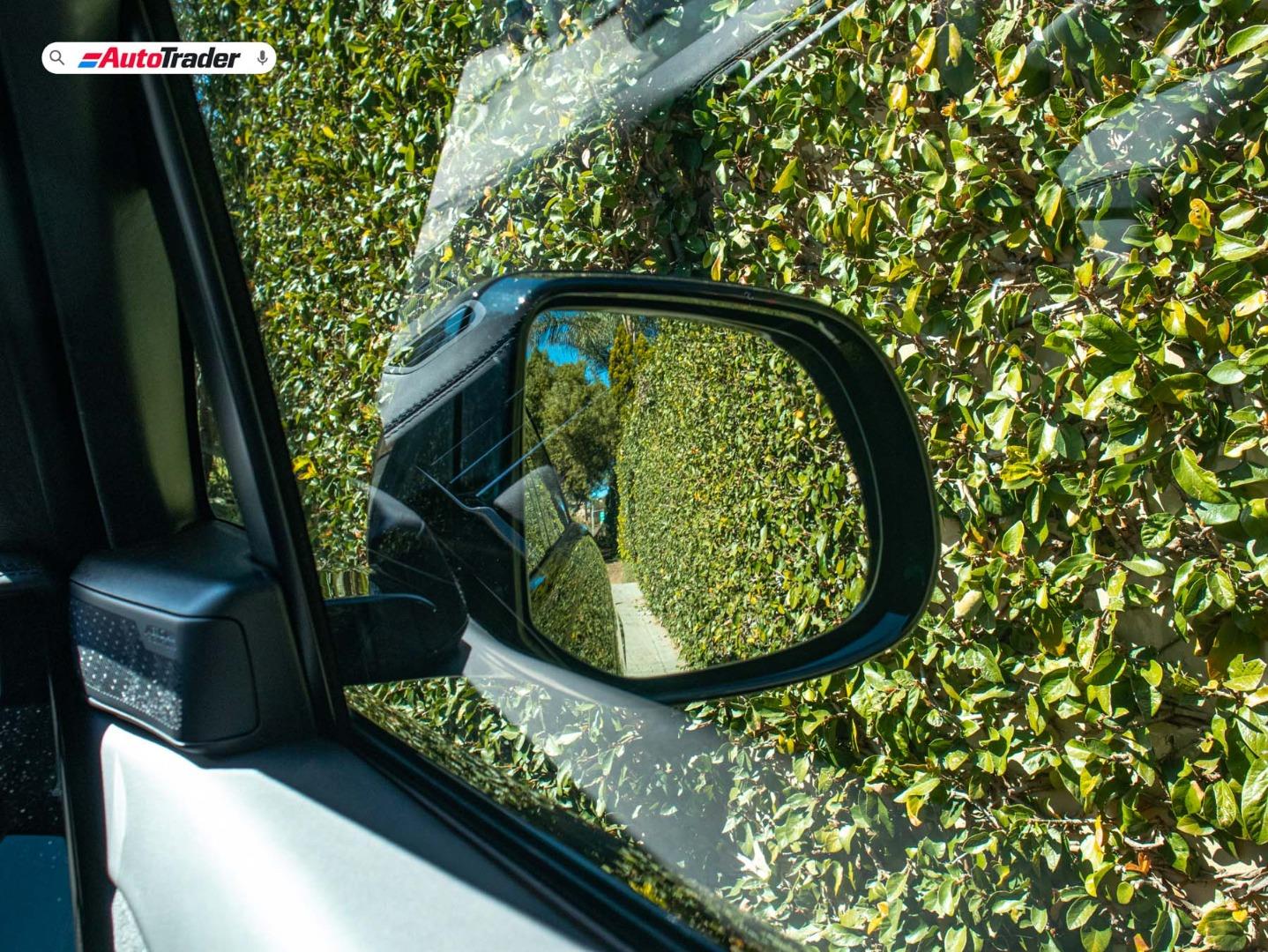

Mirrors may seem like a trivial thing but they're pretty vital to extending your vision as you drive. How you set them up also is just as important as the setup shouldn't cripple your vision when checking for obstacles and when you need to park straight. New car technology has made things easier with cameras and screens but the traditional mirror still has its place and an important one at that. This will help when doing your K53 license tests of which you can also find our guides for that right over here.
Related: How can I get rid of pet hair in my car?
Proper mirror setup largely follows the same guidelines for each car but some things will differ like your height, the size of the mirrors as well as the glass expanse, how you sit in the car and lastly how the driver's seat is set up. You should always adjust your mirrors when you jump into a car you haven't driven before and a car which someone else just drove. Do all of this when the car is parked before you set off anywhere. We'll give you a few guidelines to follow on how to adjust the driver's side, passenger side and rearview mirror.
Before any adjustment, make sure the car is parked on a level surface in a safe area. Your normal seating position that you use when you drive should be upright. (That means no lying down as if you're in a lounge.)
Driver's Side

While you're facing forward, to adjust the driver's side mirror, the horizon should be level with your eyes so you can see the road and some of the sky. There should be a 50/50 split. You should be able to see road markings and parking lines. Next, you'll see the side profile of your car on the inner part of the mirror. You should adjust the mirror face away from the body of the car until the car's side profile just exits the mirror's view. The reason why it's adjusted like this is to reduce your blind spot. That's it for the driver's side.
Passenger Side

With the passenger side mirror, you'll follow the same concept as the driver's side mirror above with the level horizon and facing the mirror's view away from the car's side profile. Except here, what changes is how you position yourself when you adjust the passenger side mirror. Here, your head should be just over the centre console while still at the same height and level as when you adjusted the driver's side mirror. The reason why you do this is that the passenger side mirror is quite crucial because that's where your biggest blind spot will be. Setting up the mirror this way will reduce that blind spot quite a bit but you'll still have to do head checks.
Rearview Mirror

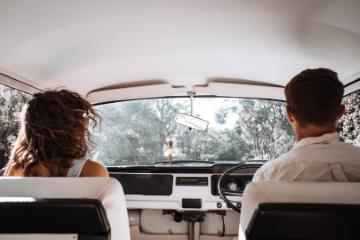
Cars have different review mirrors. Some may be digital, some may be specially coated and adjustable to reduce headlight glare and some can be electronically operated. Still, though, the principles here will remain the same. While sitting upright in your normal driving position, adjust your rearview mirror so you can see the complete rear window. Depending on the size of your mirror, if you have a wide-angle mirror or an accessory attachment that widens the view angle, you can get the complete rear window but we'd also advise catching some of the passenger-side rear door window to reduce the blindspot in that area.
And that's how you adjust your mirrors to achieve the perfect vision and reduce blind spots. Do you want other driving tips? Let us know.