Vehicle fluids check
Many folks may believe that the dark magic that occurs under the bonnet of cars is best left to a mechanic. However, you can save time and trouble by taking on these tasks yourself. It can be quite uplifting to feel more involved in your car ownership.
Related: What are the best car maintenance tips?
It may feel daunting, but these checks are easy and require no tools. If you don't mind getting your hands a little dusty, they can be accomplished in under 10 minutes.
Pre-Festive season maintenance: Happy holidays, but check those tyres out!
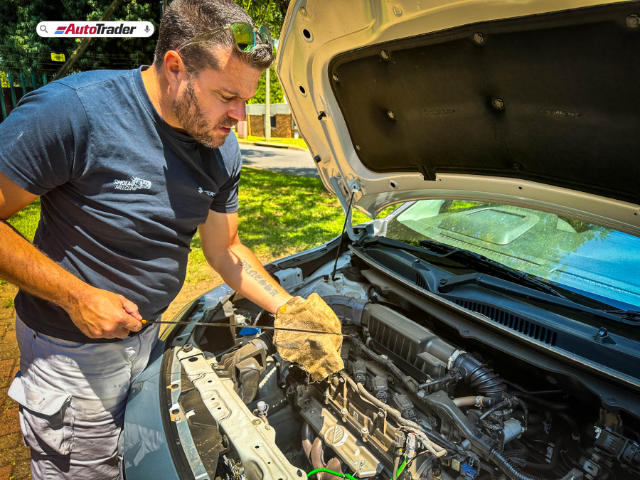
Checking your car's oil
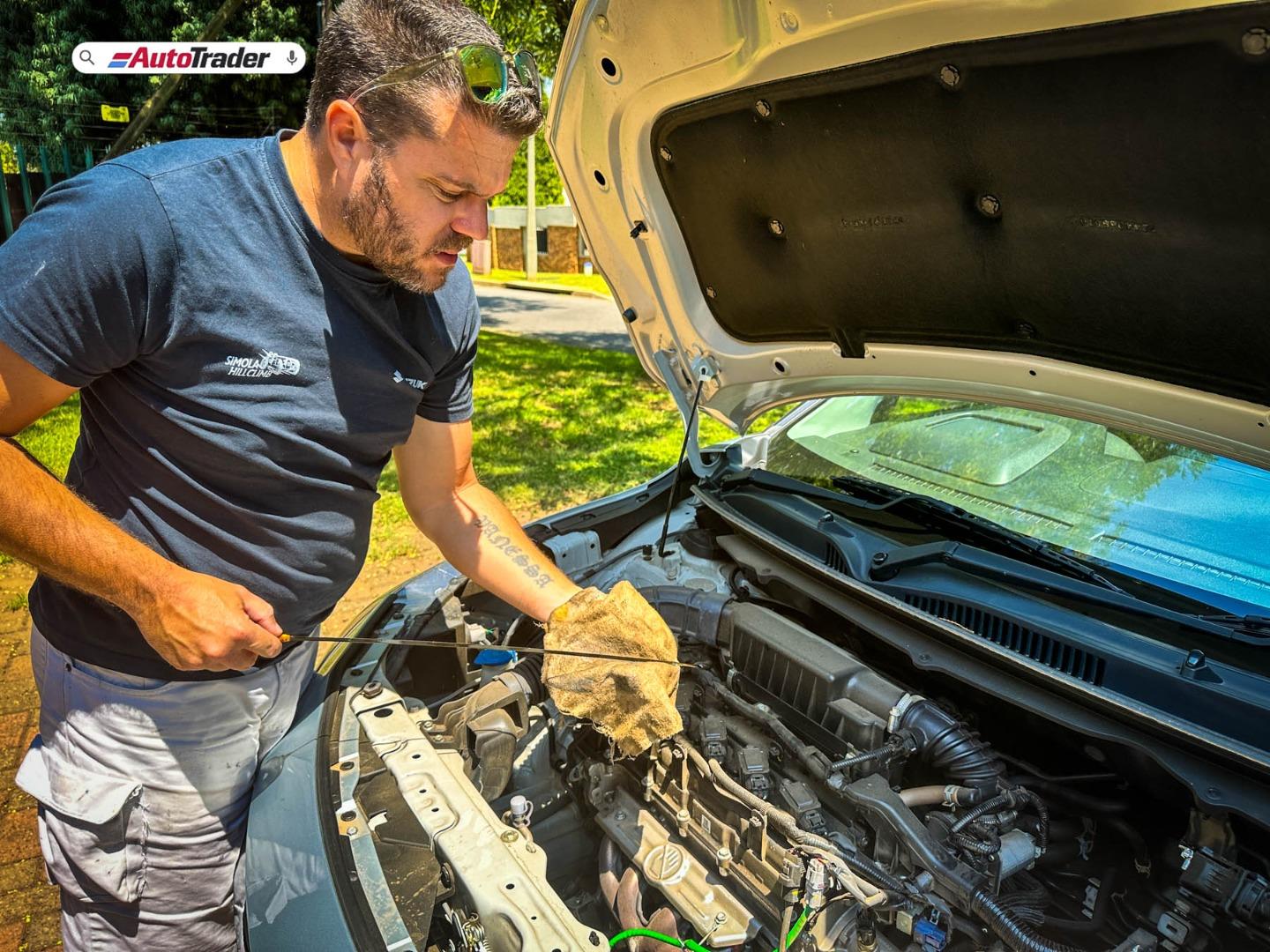
Open the bonnet and look around the engine bay for the yellow pulling. This pull ring is attached to the dipstick. Pull the dipstick out. This long steel rod has indicator markings stamped or knurled at the end. Wipe it clean with a cloth or paper towel. Re-insert the dipstick and pull it out again. This will coat the stick with oil up to the level that is inside the engine. You must put oil into the engine if it is below the top or F marking.
If the oil touches the mark, you're good to go, but if you need to add oil, start with one bottle or quart of oil and repeat the check until the oil reaches the mark.
NB: Oil is viscous, so give it a minute or two to go through the engine and into the sump.
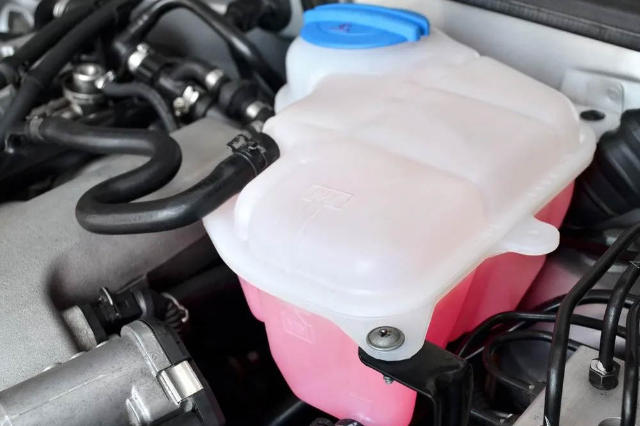
Checking coolant
Open the bonnet and look for the small tank labelled with coolant on the lid or a see-through tank with pink, green, or orange liquid inside. This is the coolant reservoir, and it will usually have markings on the side that tell you its hot level and cold level. If you cannot see coloured coolant, then you need to add water and antifreeze until it reaches the required marking or can be visually confirmed inside the tank.

Checking brake fluid
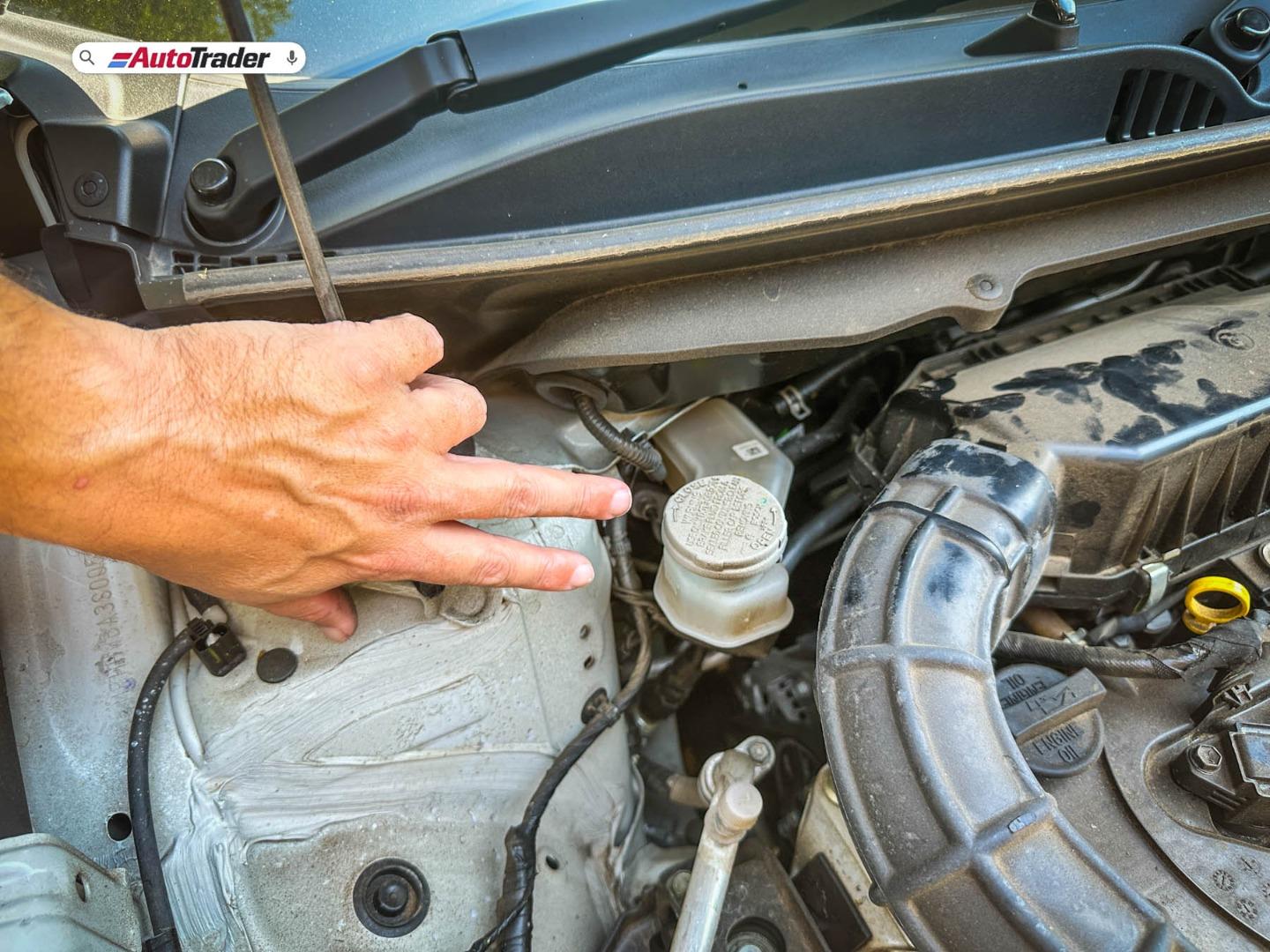
This reservoir will usually be found close to the firewall of the engine bay, up near the windscreen. It will be clear and have a black or yellow cap with indicator markings for high and low. The fluid level in this reservoir should never change, and if it does, it means that the sealed system is leaking. So, before just refilling, have a look and see if any of the brake lines or wheel cylinders are leaking and have them repaired.
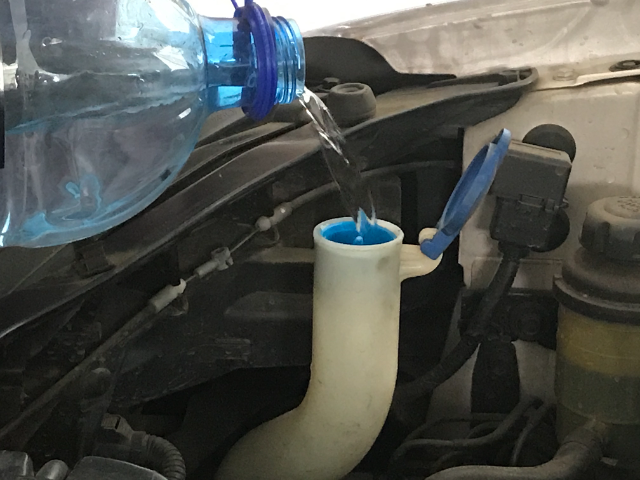
Windshield washer fluid
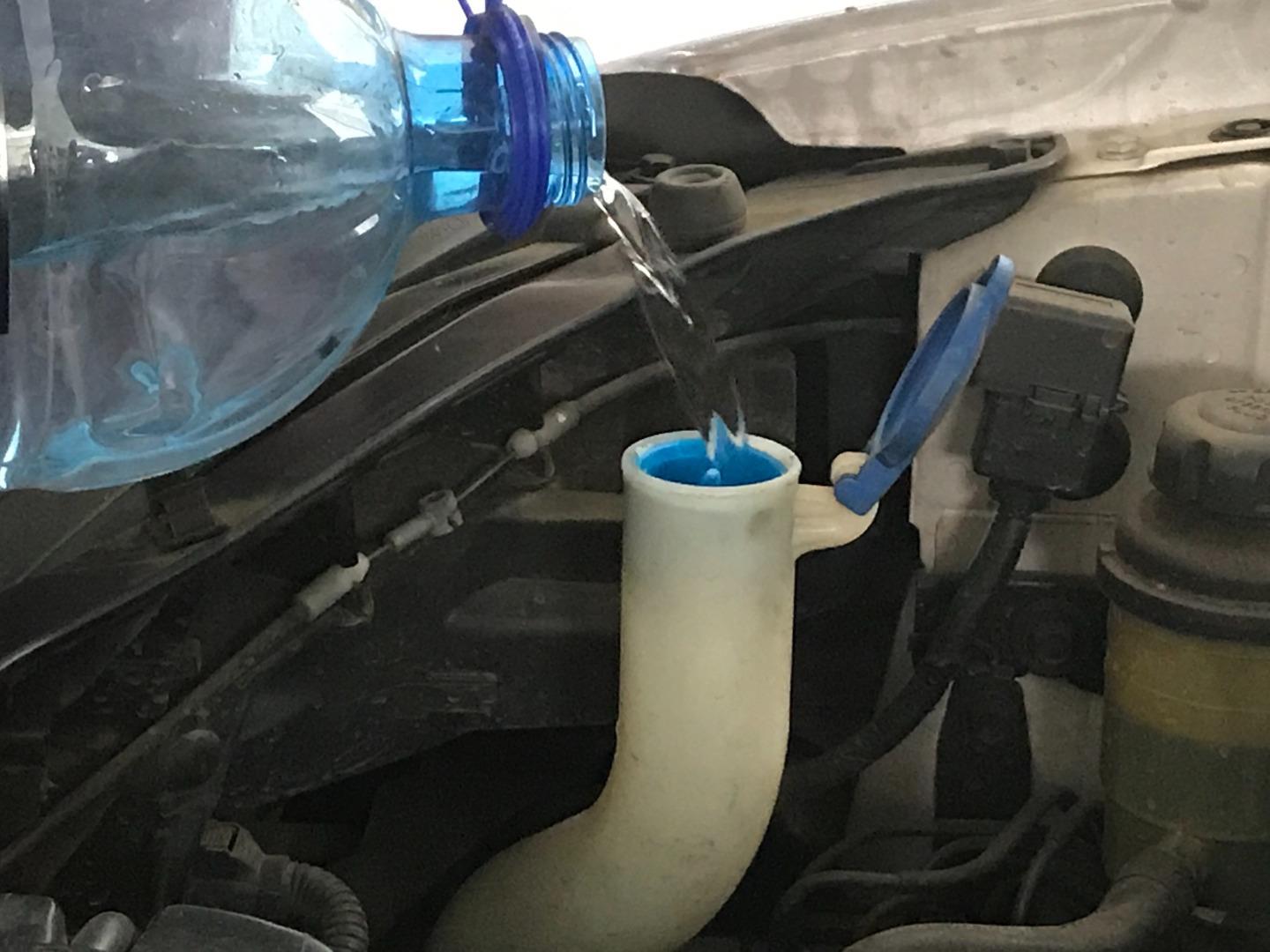
It's a good idea to keep your washer fluid level topped, as you tend to use this quite often when you have a dirty windshield, and the water pumps out quickly. The washer fluid reservoir can be located anywhere in the engine bay and is marked with a blue cap. A teaspoon of washer fluid or dish soap added when you fill it up with water will assist the washing system in keeping your windscreen clean.