




Essential maintenance
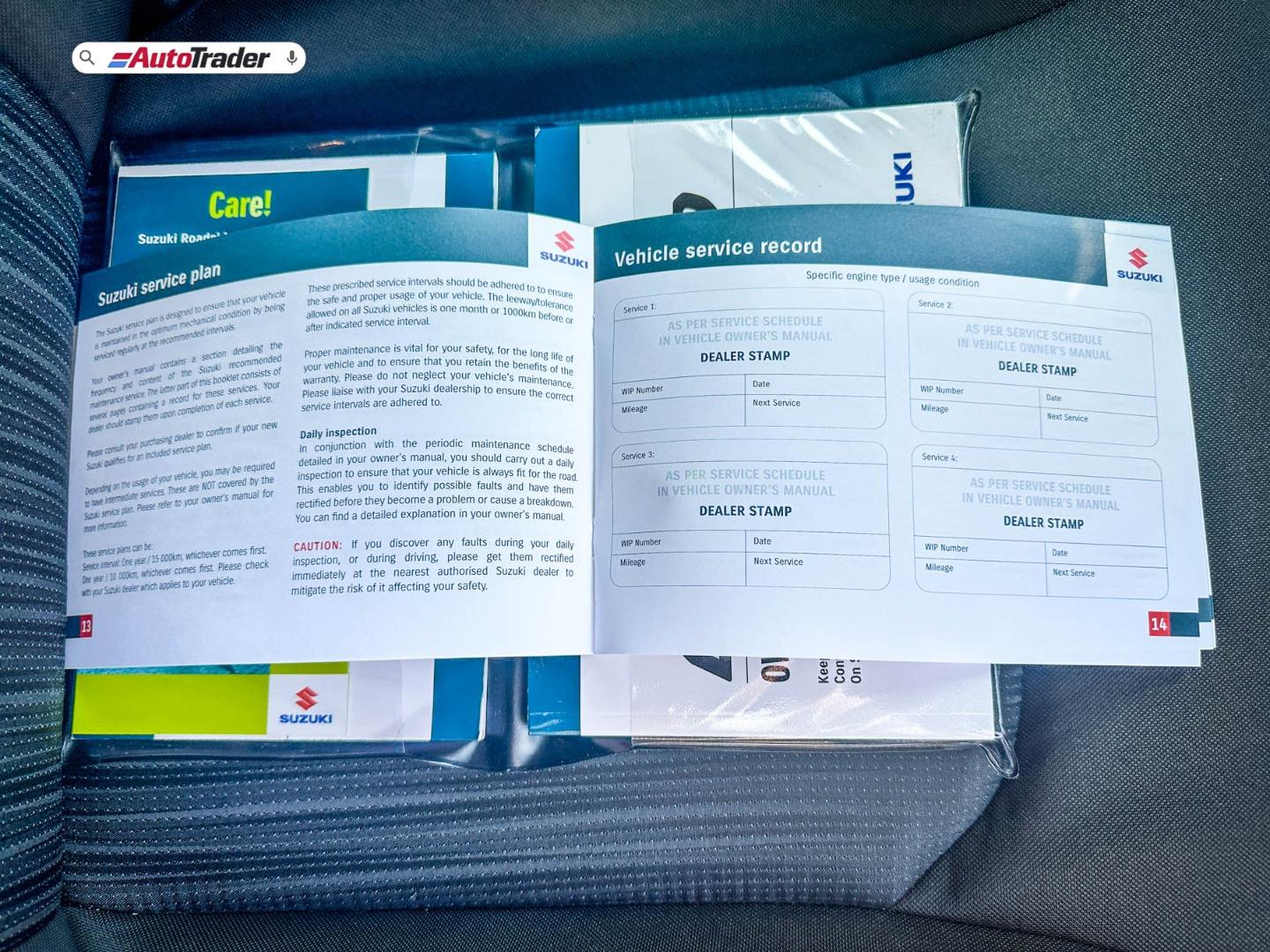
Regular maintenance comes to mind after a good six months with our long-term Suzuki Baleno. The vehicle is fast approaching its first service, which got us thinking about the absolute must-do maintenance tasks that every motorist should be doing every month.
Related: How often should a Suzuki Baleno be serviced?
It does not matter if you paid R100 000 or 10 million Rand; your vehicle requires the same dutiful care no matter its purchase price. It is a machine that will break down if not cared for, but what should you, as the driver, be doing to ensure trouble-free motoring?
Is the Suzuki Baleno expensive to maintain?

1. Stick to your service intervals
If your car is still under warranty and service/maintenance plan, you must stick to the service intervals and have your vehicle serviced at an authorised shop or dealer. Failure to do so will void your warranty and can have a detrimental effect on your car value.

2. Check your oil regularly
When you stop at the garage to fill up, you should pop the bonnet and have the staff check your oil level. This will prevent you from ever running low, which could lead to catastrophic engine failure. All engines use oil over time, but if your engine is using oil excessively, it may be a sign of a bigger problem, and you can address it before it leaves you stranded.
3. Check your coolant regularly
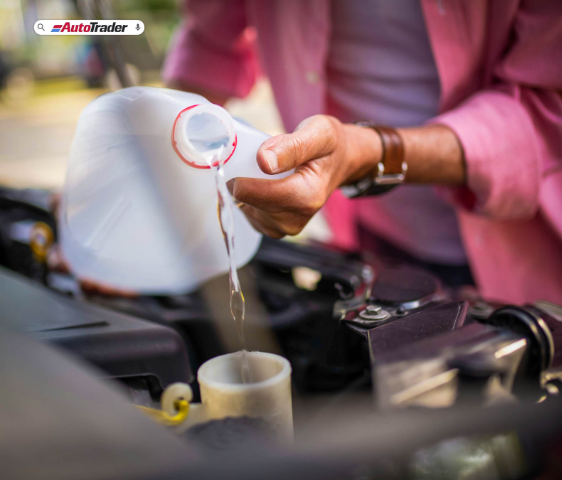
If you are checking or having your oil checked, it is also advisable to check your vehicle's engine coolant simultaneously. It takes 30 seconds to open the lid and quickly top it off. Much like engine oil, your car will use up coolant over a long period of time, but if you are topping off very regularly, it may be cause for concern as there may be a leak that could lead, once again, to engine failure.

4. Balance and rotate your wheels at regular intervals
Every 8 000 to 10 000km, you should take your car to have the wheels balanced and rotated. As the rubber wears off of your tyres, the wheels become unbalanced and this leads to vibration through the steering wheel at speeds of 100 -120km/h. Rebalancing the wheels removes this vibration while rotating the wheels can extend tyre life as it can even out wear that the drive wheels experience.

5. Do your wheel alignment at regular intervals
You should also check your wheel alignment when doing wheel and tyre maintenance. Our roads are notoriously bad, and hitting potholes, bumps, and other detritus can upset the alignment of the wheels. Poor wheel alignment will lead to bad handling, suspension noise, uneven tyre wear and traction control issues. The technician will use laser levels to re-align the wheels and adjust the caster, camber, toe in and toe out and in some cases thrust angle.

6. Check your car battery health and replace if needed
Your car's battery has a lifespan of about 3-5 years. Once it gets older, the battery's effectiveness dissipates and the amperage output becomes less. This will lead to issues with cold starting your engine, and issues with onboard electronics and will eventually leave you stranded. Have a battery shop do a free battery health inspection and keep the terminals free of chemical corrosion, especially if you live near the coast!

7. Replace your air filters if you are in a dusty environment
If you drive in a dusty environment like a farm with dirt roads or a more desolate area such as the northern regions of SA, you will want to change the air filters in your car more often than the service interval. These filters are found not only in the engine bay but also in your car cabin, where they clean the air that makes its way into your car interior. they are relatively cheap but make a massive difference in performance and comfort.

8. Check your hydraulic fluids regularly
There are several hydraulic systems in your car, none more important than the brakes. There will be a reservoir in your engine bay that contains the hydraulic fluid, very often it supplies multiple systems with fluid, fluid that makes these systems work properly such as hydraulic clutches. Keep an eye on the level as the vehicle should not use this fluid. If the fluid in this reservoir drops or becomes cloudy, a problem must be fixed immediately.

9. Check your tyre pressures and spare tyre or emergency kit regularly
Whenever you stop at a fuel station, the attendant will ask you if they can do a full service such as fluid and tyre air pressure checks while filling your fuel. It's a good idea to periodically check these as it can often tell you if there is a slow puncture or if temperature fluctuations have affected tyre pressures. Proper tyre pressures will ensure good fuel economy and prolong tyre life. When doing a pressure check, having them check the spare tyre also pays off, as these are often forgotten, and you don't want to be left with a flat spare when you get stuck. It is also advisable to check the emergency kit and ensure everything is there, such as the spare, jack, tools, and emergency triangle.

10. Replace windshield wipers every regularly
Most folks don't think twice about their windshield wipers until they need them. Unfortunately, your car's windshield wipers have a life span that is a lot shorter than you may think. The rubber blades are subjected to UV rays that break down the rubber, making it brittle, while dust and debris wear out the rubber blades' edges, making them less effective. You should replace your wiper blades before every rainy season, ensuring you are ready for that next cloudburst or mud splash.


