2. Sorting and inspection
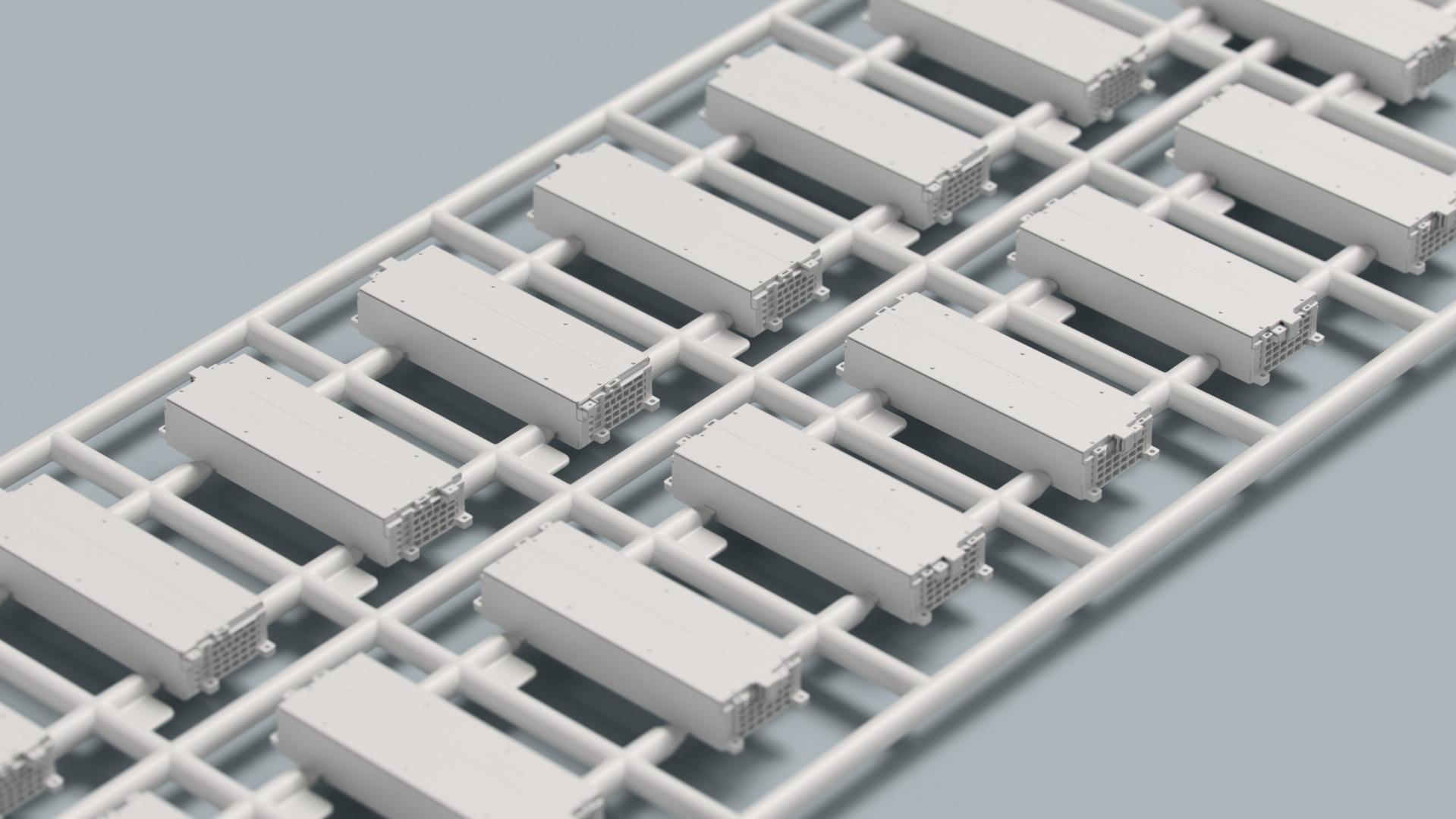
Upon arrival at the recycling facility, the batteries undergo sorting and inspection. This step involves separating different types of batteries and checking for any visible damage or defects. Damaged batteries may be set aside for special handling or disposal.
3. Discharge
Before disassembly, the batteries are discharged to ensure no remaining electrical charge. Discharging is a crucial safety measure to prevent accidental shocks during the recycling process. The energy stored in the batteries is usually either reused or dissipated as heat.
4. Battery Disassembly
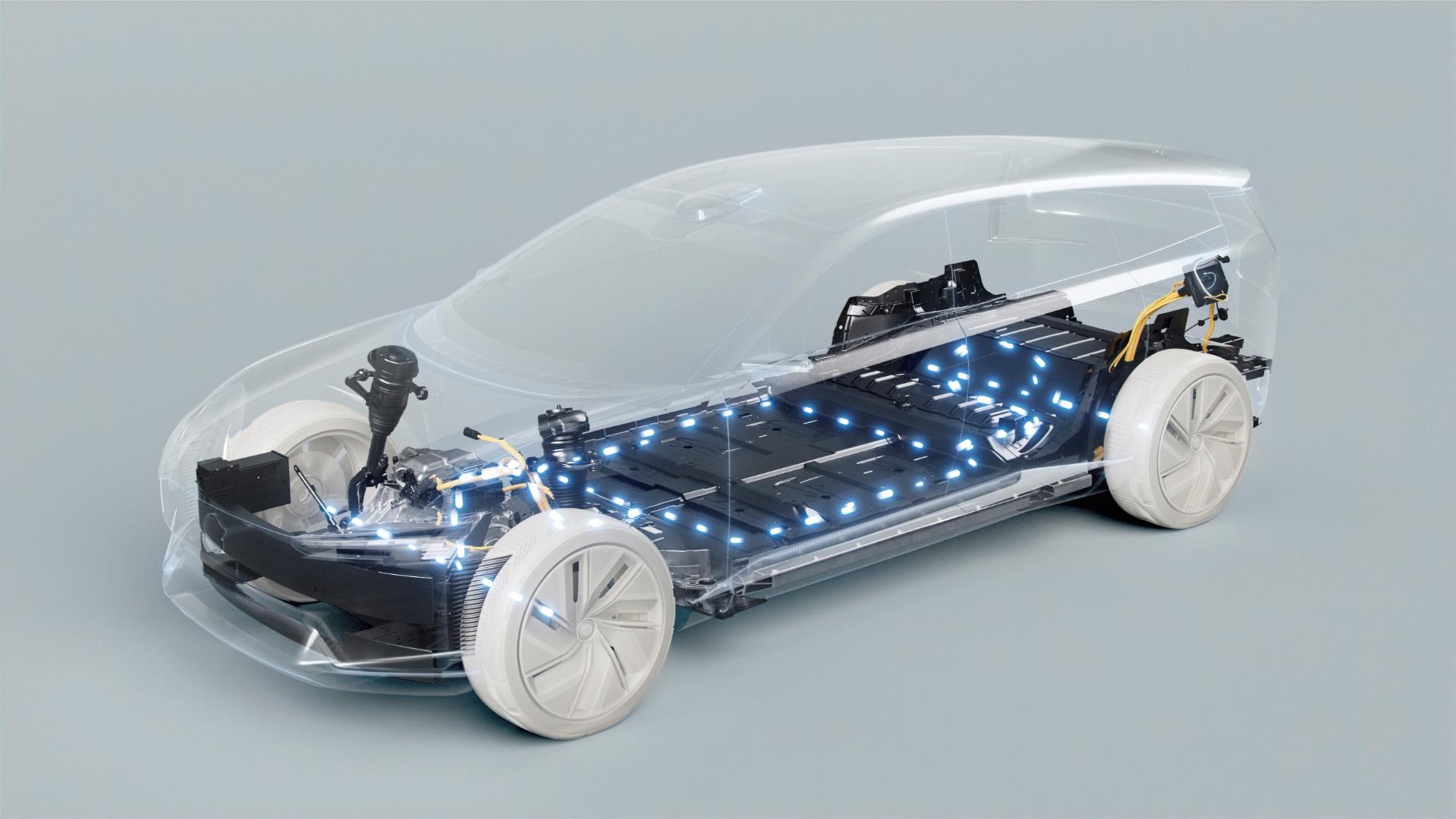
The disassembly phase involves breaking down the batteries into their constituent parts. In the case of lithium-ion batteries commonly used in EVs, this includes separating the cathode, anode, electrolyte, and other components. Automated and manual processes may be employed for disassembly.
5. Recovery of valuable materials
Once disassembled, the individual components are processed to recover valuable materials. This may include metals such as lithium, cobalt, nickel, and copper. These materials can be reused in producing new batteries or other industries, reducing the demand for newly mined resources.
6. Neutralisation and treatment
The electrolyte, often a solution of lithium salts, is neutralized and treated to make it safe for disposal. This step ensures that potentially hazardous substances are handled responsibly, minimizing environmental impact.
7. Thermal treatment
Some recycling facilities employ thermal treatment methods to recover additional materials. High-temperature processes like pyrometallurgy may extract metals from the battery components. This can be especially effective for recovering certain metals from battery packs.
8. Environmental compliance
Throughout the recycling process, adherence to environmental regulations is essential. Responsible disposal of any by-products and compliance with waste management guidelines contribute to minimizing the environmental footprint of the recycling operation.
9. Quality control
After the recycling process, the recovered materials undergo quality control measures. The final products, such as recycled metals, are often certified to meet industry standards. This ensures that the recycled materials can be reintroduced into the manufacturing process with confidence in their quality.
10. Final disposal
Any remaining non-recyclable or hazardous residuals are disposed of according to established guidelines. Proper disposal is crucial to prevent environmental contamination and ensure the overall sustainability of the recycling process.