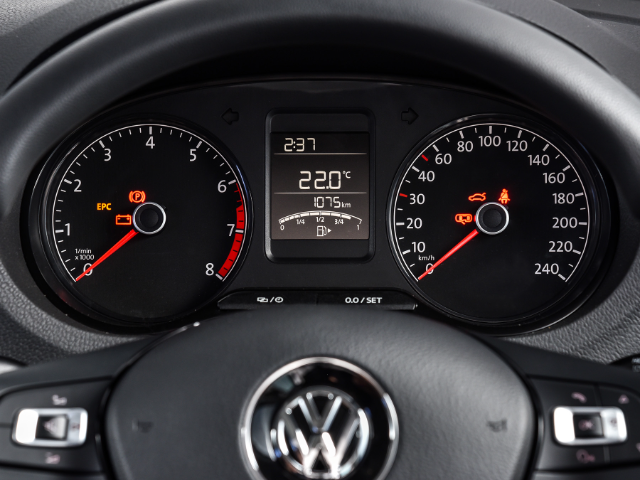


Cars are complicated, technical items with hundreds of thousands of parts, all needing to work together to achieve the desired result. Sometimes, things go wrong. Thankfully the car's warning lights will give you an indication of what has gone wrong. These lights are small symbols, each with a particular meaning.
Related: Essential driving tips for new drivers
It's always best to go through your car's owner's manual to see what each warning light means as this will help steer you in the right direction as not all cars are the same (but they are rather similar).
Colour coded
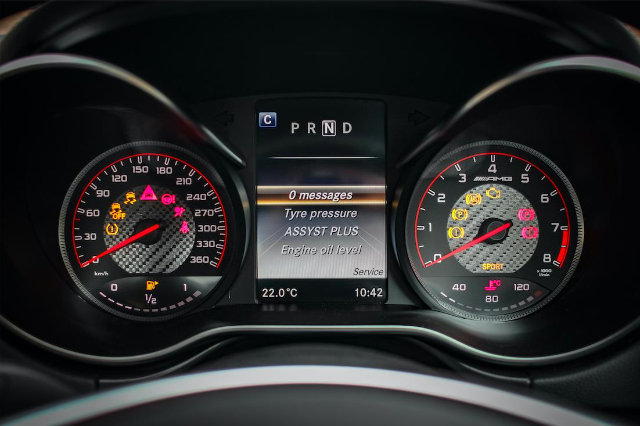
Before we get into some of the key lights to look out for, it's important to know that the lights are colour-coded depending on their severity. A flashing light and a static light will also mean two different things, but the severity is based on the color itself.
Red warning lights:
Critical alert. Stop the car as soon as it is safe to do so and switch off the engine. Contact your dealership or roadside assistance service. Do not drive any further.
Amber/Yellow warning lights:
Serious alert. Slow down and exercise caution; some vehicle systems may be faulty. Contact your dealership as soon as possible. You may continue driving only if necessary.
Green lights:
System alert, non-serious. Green lights indicate ordinary vehicle operation or a system is in effect. There is no input required from your side.
Most common warning lights
Some of these lights will be green or blue, non-critical alerts that don't require any action from you and just serve to inform you that a system has been activated.

Blue High beam indicator. This one serves to inform you that you are on your brights. Pull back on the lights stalk behind the steering wheel to deactivate.
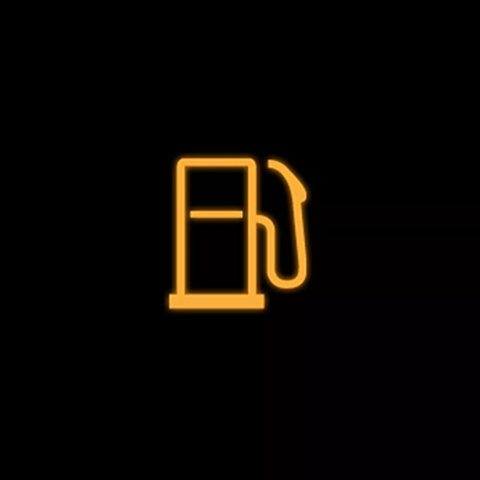
Amber petrol pump. This is letting you know that you are running out of fuel. Start looking for a petrol station soon.
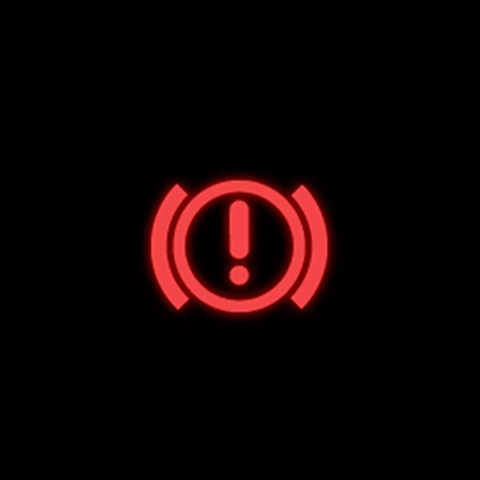
Red exclamation mark. This is the handbrake warning light. If this light is on, your handbrake is still engaged. Release it before trying to drive away.
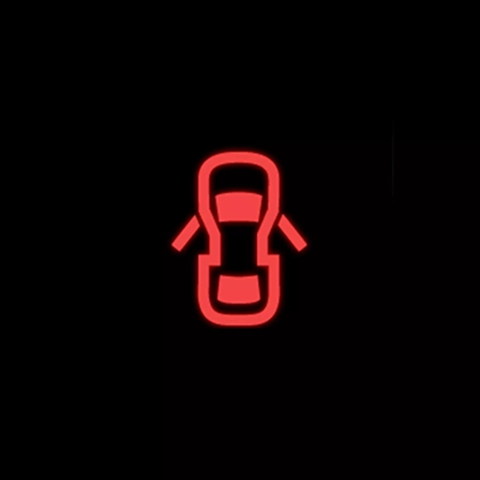
Red car with doors. One of your doors are open or isn't closed properly. Someone could fall out. Stop and check the doors.
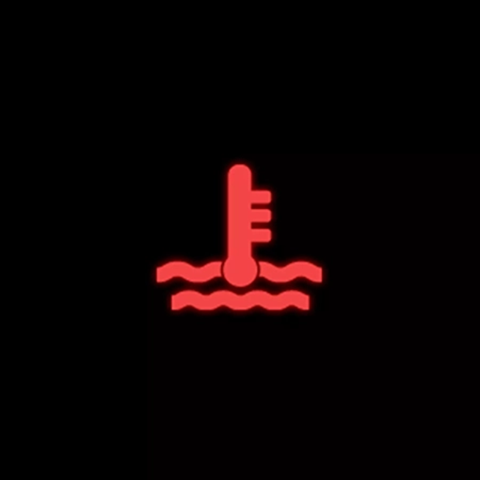
Red thermometer. Overheating warning light. The engine's temperature is too high. Stop as soon as possible and switch off the engine.
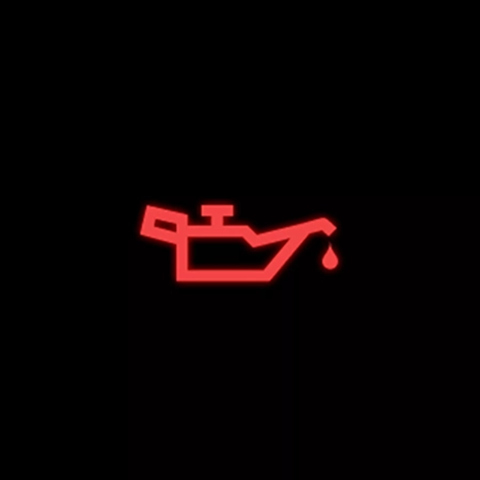
Red oil can. Oil pressure is too low. This is most likely as a result of too little oil in the engine. Stop as soon as possible and switch off the engine.
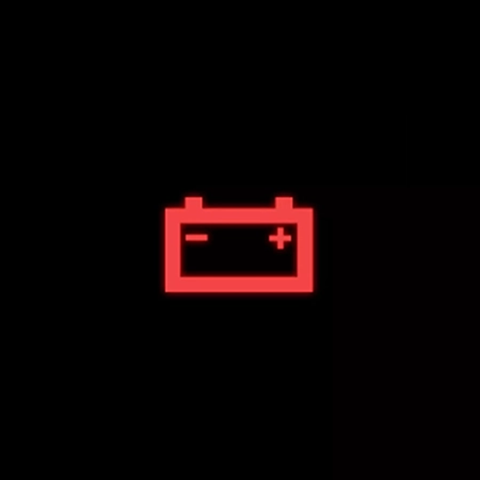
Red battery. There is an electrical fault and the battery is low. Stop the car as soon as possible and switch off the engine.