Will electric car ranges improve?
No area of the automotive world is currently moving faster than the progression being made with electric vehicles. From inconvenient initial attempts to world-class rivalling luxury, the world of EVs is a rapidly developing one and they're improving by the day.


Anyone that knows anything about computers will know that it doesn't matter how new a computer you buy, by the time you get home and unpack it, it's outdated. Technology is moving at an alarming pace and continuous developments are being made to improve storage, capacity, processing speed and connectivity. It's no different in the world of mobility. By the time you buy that new car, that same manufacturer is working on the next iteration. It's no different in the world of Electric Vehicles (EV).
Related: Which electric cars have the longest range?
With EVs relying more on digital technology than mechanical, it goes without saying that the computer analogy rings truer than ever. In the past few years, we've seen such rapid EV development that it's safe to say that EV ranges will increase as time progresses. Advances in battery technology, developments in energy expenditure and efficiency happen on a daily basis. It won't be long before we see ranges rivalling those we've become accustomed to in diesel vehicles and charging times drop to the same length of time you currently spend filling a tank.
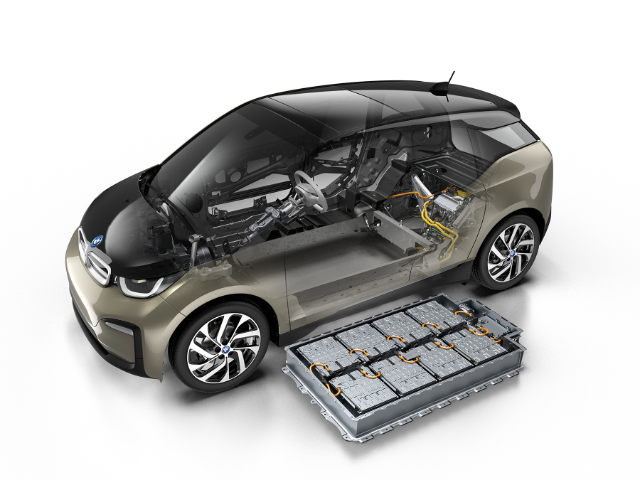
Doubled in under 10 years
To show how fast things can develop, we cast your attention to one of the first EVs to be sold on a large scale in South Africa, predating our current public charging infrastructure and knowledge. The development of EVs has been exponential with great advances being made particularly in the area of batteries. Not only do they have a greater capacity now than they did, but their footprints are also smaller and their charging times are greatly reduced. Electronics and better technology also help improve charging times and reduce the inherent wear on battery systems, improving their overall life expectancy.
When the BMW i3 was released in 2013 for the 2014 model year, it was fitted with an 18.2 kWh battery system. The kilowatt-hour rating is the unit of measure to gauge the size of a battery; one kilowatt of energy sustained for one hour. This first battery system had a gross capacity of 22 kWh but the amount made available to the traction motor for propulsion was only 18.2 kWh. This gave the first i3 a range of between 129 and 160 km on the NEDC rating system and 130 km on the EPA test cycle. The i3 predated the WLTP test process so we will stick with EPA for this comparison.
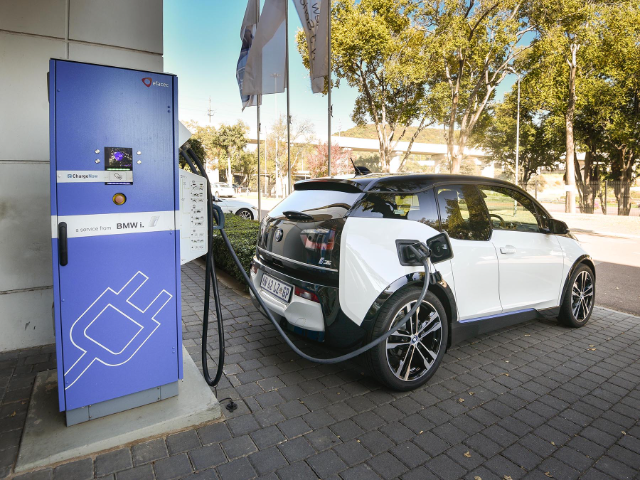
In 2017, only 3 years later, the battery technology had improved to such a point that it was possible to fit a 27.2 kWh (Nett) battery system to the i3, improving its range to a total of 183 km on the EPA test cycle.
By 2019, with the model starting to show its age and design limitations, BMW pushed one last time, this time fitting a 37.9 kWh battery pack to the i3. This resulted in an EPA-claimed range of 246 km from a single charge; nearly double what the car was designed and first released with.
All of this was done without redesigning the car entirely. The progression in efficiency and development of larger capacity batteries without expanding their physical size shows us that 1000 km+ EVs are much closer than we think.