
Which Toyota Aygo is better: diesel or petrol?
When it comes to choosing between petrol or diesel for a Toyota Aygo, making the right decision is easy. Petrol-only is the reality for South Africans. Unless of course you are heading for Europe, where diesel versions were available for the first-generation model.


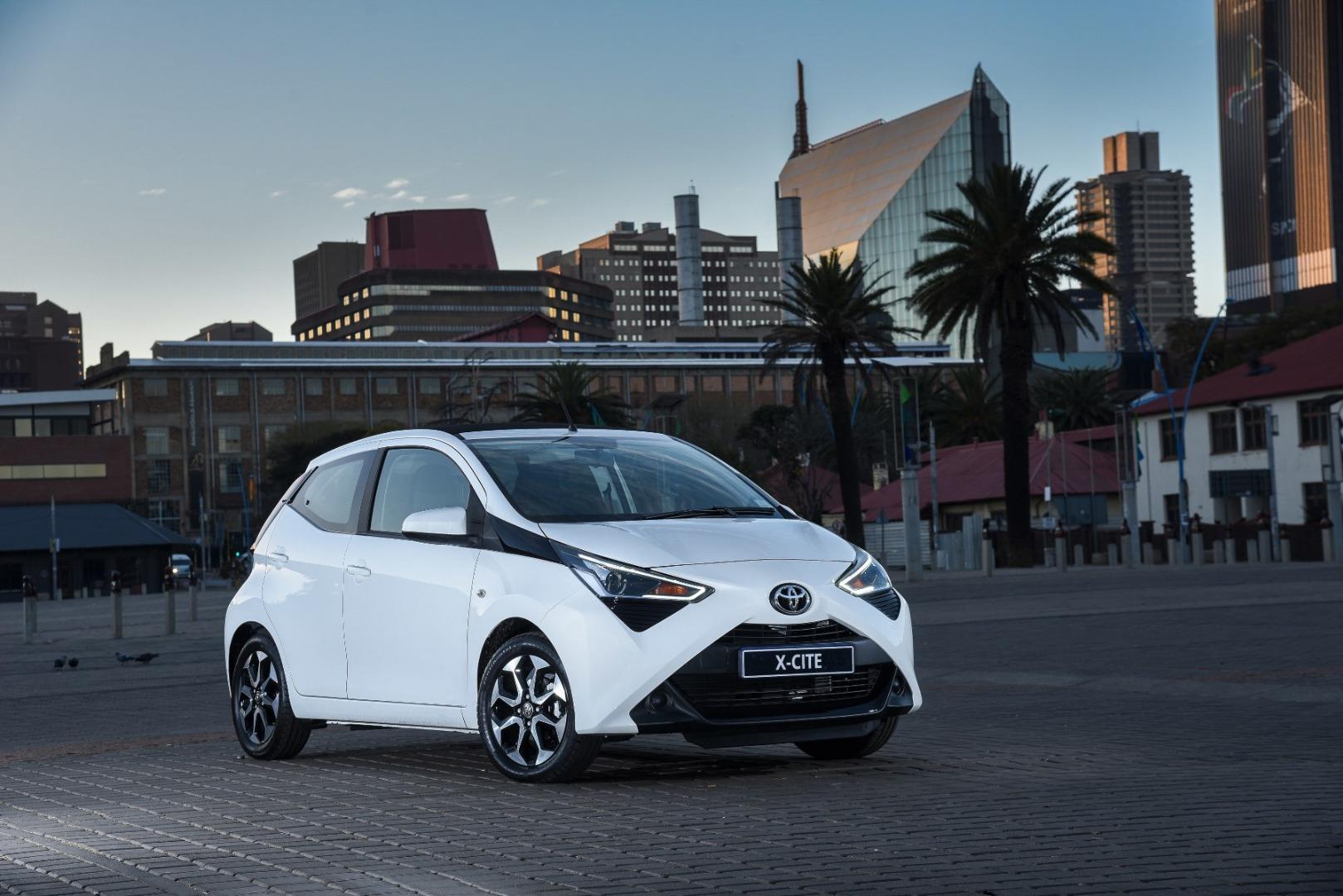

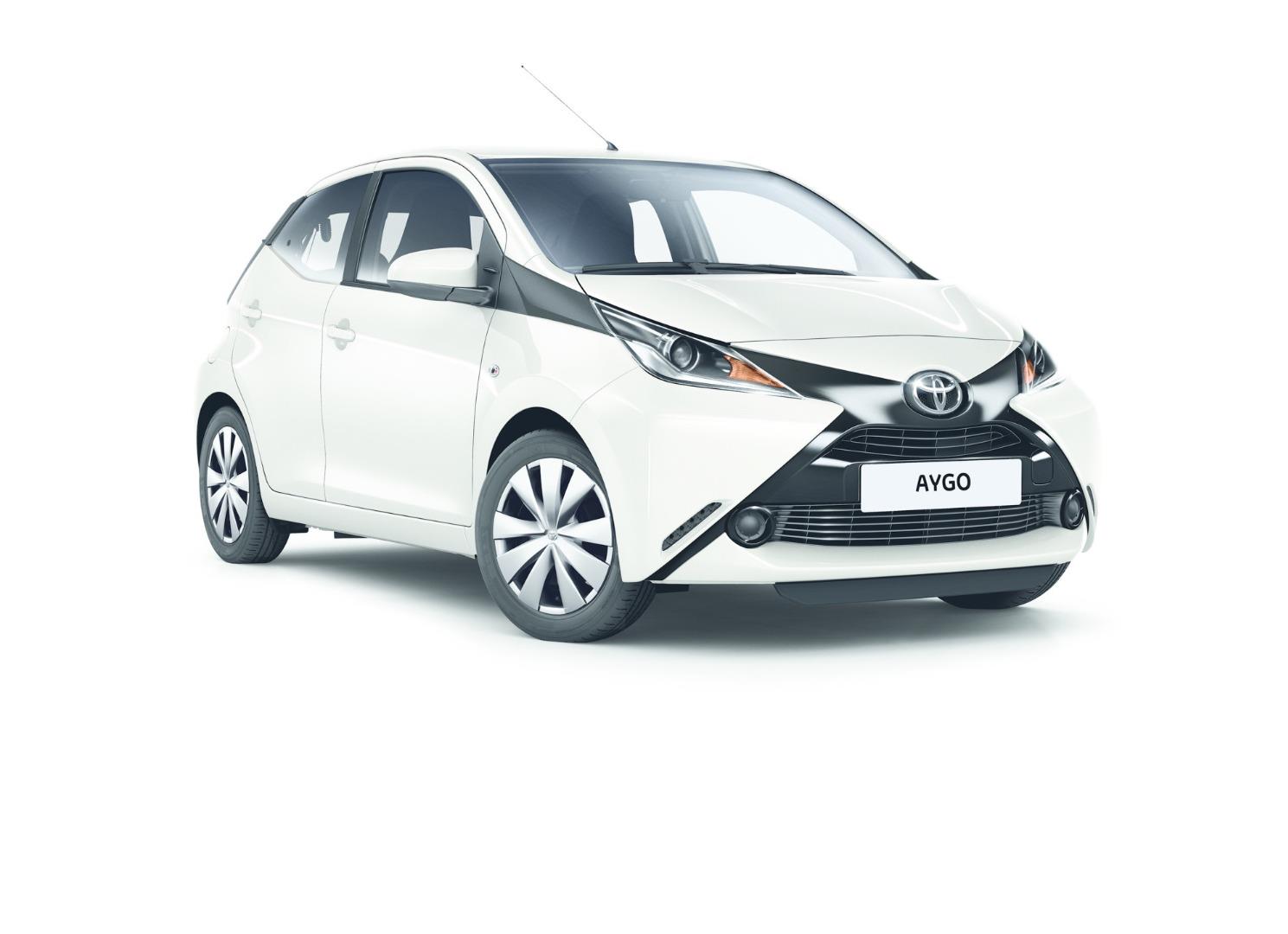
Answering the question of whether to choose a petrol or a diesel version of the Toyota Aygo reminds one of the famous saying regarding Henry Ford’s message to customers back in 1912 or so: “You can have any colour you like, as long as it’s black.”
Ford’s black-only option for Model Ts was due to the fact that, at the time, they were producing the cars so quickly that the only paint that would dry quickly enough was black. As far as Toyota and its Aygo are concerned, the reason for a petrol-only policy with this car was probably down to costs.
Diesel Aygos were available in Euorope back in 2011
South Africa was quite a bit off the pace when it came to being able to sample the Toyota Aygo. The little city car was introduced in Europe in 2005, but at that time Toyota was still producing its highly successful, but dated Tazz. However, after the Tazz went out of production it was initially felt that the Aygo would be too expensive for our market.
In Europe, however, the first-generation Aygo was offered with a choice of a 1,0-litre 3-cylinder petrol engine, or a 1.4-litre turbocharged diesel.
The Aygo shares body platform and mechanicals with the small city-orientated Citroen and Peugeot
The Aygo is in fact a production collaboration between Toyota and Peugeot-Citroen. And after Citroen successfully introduced its C1 here, and Peugeot its 107 – essentially the same cars as the Aygo – Toyota finally found a way of marketing the Aygo here in 2011, at an affordable price.
The Aygo was and is produced in the Czech Republic in a city called Kolin. And even today, the same production agreement exists between Toyota and Peugeot-Citroen to continue producing their small city cars there. The Peugeot version is once again available here, now known as the 108, while the Citroen remains the C1.
A 3-cylnder non-turbo petrol engine
The first Aygo we received here in 2011 was the face-lifted version of the first-generation car. It was a four-seater with a tiny boot, but very cute styling. Because diesel engines were more expensive, and Toyota was bound to keep the Aygo as inexpensive as possible, only the 1,0-litre petrol version was on sale here, and that remains the case until today.
The 3-cylinder engine at launch was a naturally-aspirated (non-turbo) unit, producing 50 kW, which is still a competitive amount of power for non-turbo engines of this size today. For instance, the Renault Kwid has a 50 kW output from its similar-sized 3-cylnder engine, while the latest Hyundai Atos’s 1,1-litre 4-cylinder engine also produces 50 kW.
Second-generation and facelift models
The second-generation Aygo was introduced here in October 2015. Mechanically it was very similar to the first-generation car, although power had risen marginally from the 3-cylinder engine to 51 kW. Then, when the facelift of the second-gen car was announced in mid-2018, it was proclaimed to enjoy a 53 kW output. Internal massaging had also reduced the CO2 emissions to a mere 97 g/km. It is interesting to note that the diesel engine option for Europe was dropped with the second-generation car. Power of the little petrol triple has risen by just 3 kW over a period of 8 years. Interestingly, torque has remained constant at 93 NM.
The bonus to people buying a used Aygo is that the cars all use essentially the same engine and mechanicals, so spares are no problem to obtain. Also, performance between a 2011 and a 2020 model should be almost identical, as long as the older car has been carefully driven and maintained. AutoTrader currently lists some 130 New and Used Toyota Aygo examples for sale.
Diesel-like fuel consumption
In fact, the latest version of the Aygo has a claimed fuel consumption figure of 4,3 litres/100 km And in the recent Wesbank Economy Run held towards the end of last year, the Aygo won its class with an overall consumption of 4,8 litres/100 km. The driver, motoring journalist Carri-Anne Leathern, reported that she drove the car quite normally, using no special fuel-saving techniques.
From this result, it is obvious that manufacturers are managing to achieve diesel-like fuel consumption from small-capacity engines in light cars. This has been a trend followed by most other manufacturers, and nowadays diesels are normally only found in larger sedans, SUVs and pick-ups.
Recommended next:
Citroën C1 vs Peugeot 108 vs Toyota Aygo: here's our winner
Hyundai Grand i10 vs Toyota Aygo vs Volkswagen up!: which one has the lowest running costs?