
Citroën C1 vs Peugeot 108 vs Toyota Aygo: here's our winner
Much noise was made about the recent local arrival of the Peugeot 108, one of the models which will spearhead this brand’s revitalisation in South Africa. But it’s not really a new car, because its two siblings have been available in some form since this platform received an update in 2015. In fact, its basic underpinnings date from 2005, and that last update was more of an extensive facelift than a complete redevelopment.



Two new cars square off against a used bargain. Which is the best buy?
One of the first derivatives from this model family to reach South Africa was the Citroën C1, and, along with the closely-related Toyota Aygo and Peugeot 107, it posed a strong challenge to the established entry-level stalwarts. They were (and still are) tiny cars, but came packed with modern design features and surprisingly comprehensive equipment lists.

Their major model updates, which happened in 2014, resulted in wider brand differentiation, thanks to more-significant styling changes between the manufacturers – even though they’re all built in a shared factory in the Czech Republic. Peugeot’s variant even got a new name (becoming the 108), but both Toyota and Citroën stuck to their established model designations. But, even with the current models’ altered styling, they’re still essentially the same thing underneath.
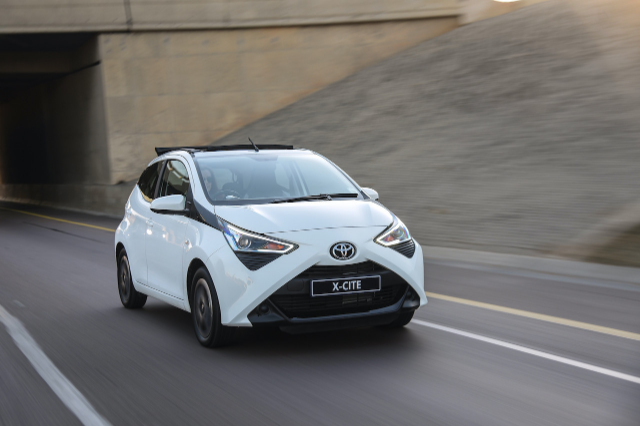
This had us wondering: which one is really the best of this trio? We investigated these closely-related cars to find the main points of differentiation. And, while the C1 is no longer available new in South Africa, its Toyota- and Peugeot siblings still sell in steady (albeit modest) numbers. In a direct comparison, there really isn’t much of a difference between them, as we’ll soon see...
Related: Re-inventing Peugeot in South Africa.
Facts and Figures
|
Citroën C1 (used) |
Peugeot 108 1.0 Active (new) |
Toyota Aygo 1.0 (new) |
|
|
Engine size (cyl/size/fuel) |
3-cyl, 1.0-litre petrol |
3-cyl, 1.0-litre petrol |
3-cyl, 1.0-litre petrol |
|
Power/Torque |
53 kW/103 Nm |
53 kW/103 Nm |
53 kW/103 Nm |
|
Kerb Weight |
840 kg |
840 kg |
855 kg |
|
Length (mm) |
3 470 |
3 475 |
3 465 |
|
Boot volume (litres)* |
196 |
196 |
168 |
|
Airbag count |
6 |
6 |
4 |
|
Top Speed (km/h) ** |
160 |
160 |
160 |
|
Ave Consumption ** |
4.3 ℓ/100 km (estimate) |
4.3 ℓ/100 km |
4.3 ℓ/100 km |
|
Warranty |
N/A |
5 yr/100 000 km |
3 yr/100 000 km |
|
Price |
~ R 120 000 |
R 179 900 |
R 178 400 |
*With all seats in use.
**Manufacturer's official figures.
Analysis
The kinship between these three cars is clear from the spec sheet: their engines and drivetrains are essentially identical, as are their dimensions. The main points of differentiation appear in their exterior styling, which in turn lead to the only real deviation: the French-branded cars have slightly larger luggage compartments...
Power, performance, and drivetrains
This trio of tykes all employ a Toyota-sourced 1.0-litre 3-cylinder engine, good for 53 kW and 103 Nm, coupled to 5-speed manual transmissions to send power to the front wheels. Interestingly, the Peugeot and Toyota can be had with a 1.2-litre Peugeot engine in Europe, while the French cars can also be ordered with a 1.4-litre turbodiesel. Neither of the larger engine options are available in the local market, however.
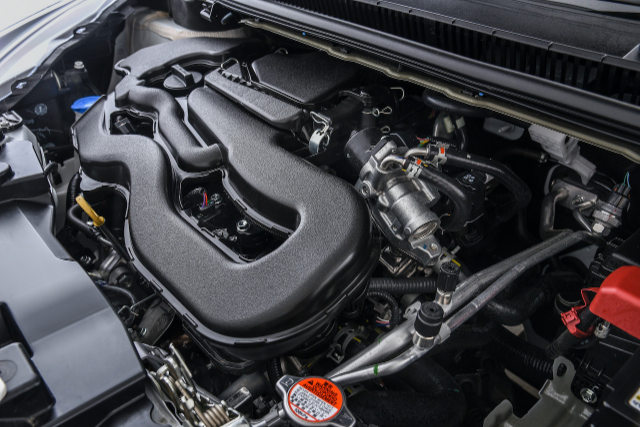
As expected, performance is leisurely all round, with their 0 – 100 km/h ambles taking around 13 seconds and an eventual top speed of about 160 km/h. It will take quite a while to get to that speed, though... But in the end, there’s really almost nothing to choose between them in the performance stakes, which means that they’re all winners in this category (relatively speaking, of course).
Economy
Once again, with near-identical kerb weights and identical power outputs, there’s very little between them as far as fuel efficiency goes. All manufacturers claim an identical 4.3 ℓ/100 km average consumption figure, but our recent road test of a Peugeot 108 revealed a real-world average consumption of 5.0 ℓ/100 km in mixed-cycle driving. This makes this trio some of the most frugal cars available on our market, and also makes them all winners in this criterion.
Practicality
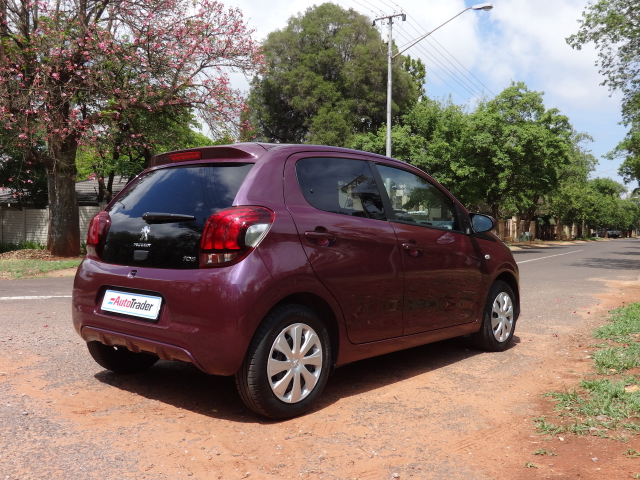
Cabin space is likewise identical between these three cars, with enough room for tall adults in front and minimal room for any adults in the rear seats. That’s fine, though – city cars aren’t meant to carry a full complement of passengers over long distances, anyway.

Comparing their claimed luggage capacities reveal an interesting variation, however: the French cars are near-identical in their rear-end body pressings, which hands them an identical luggage volume of 196 litres. In contrast, the Aygo’s different styling forces a slight reduction in luggage space, leaving it with 168 litres instead. All cars have full-sized spare wheels, however, but their ultimate loading volumes put the Citroën and Peugeot in the lead here, and relegates the Toyota to the runner-up position.
Related: We reviewed a Citroën C1 back in 2015 - and our test car even had a funky folding roof.
Equipment and safety
These are budget-focused city cars, so none of them are opulently trimmed or particularly comprehensively equipped. There’s only one variant of the Peugeot 108 currently on offer, while Toyota buyers can choose from 4 different derivatives with varying trim levels. We’re considering the entry-level Aygo here, however, which comes with most of the comfort- and convenience goodies you’ll find in the Peugeot.
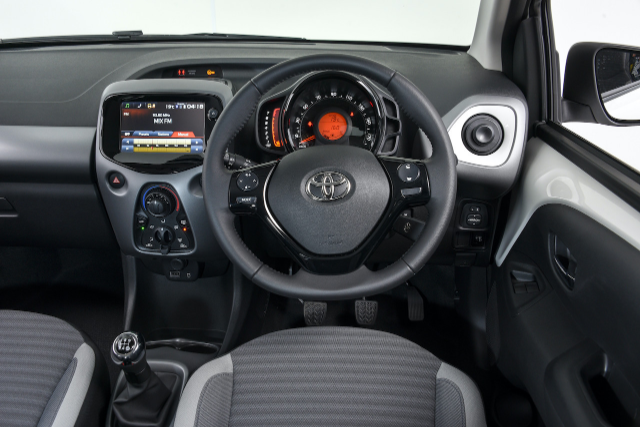
Standard equipment on all three cars include power steering, air conditioning, electric windows in front, and USB/Bluetooth audio systems with touchscreen interfaces in the Peugeot and Toyota. The Citroën has most of the same features, but may miss out on the latest touchscreen system on offer in the others. But, in reality, there are again no real differences between the three contenders.
Safety credentials are similarly comprehensive, with stability control, ABS, a 4-star Euro-NCAP crash test rating, and rear ISOFIX child seat anchor points as standard for them all. The only real difference is that lower-trim Aygos only feature 4 airbags (with 6 airbags standard only in the much more expensive range-topping variant), while the French brands blessed their cars with 6 airbags. The bottom line is that the Peugeot and Citroën share the honours in the safety race, with the Toyota coming in a close second.
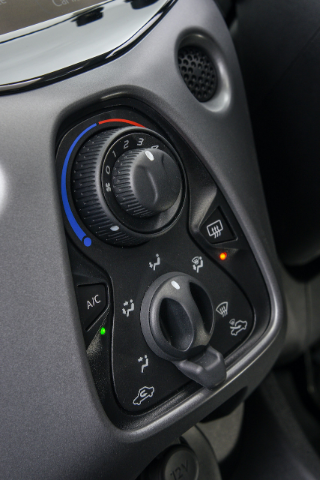
There is however another value aspect to consider here: their warranties and service plans. The Peugeot offers a warranty for 5 years or 100 000 km and a service plan with the same duration, while the Toyota’s warranty only runs for 3 years or 100 000 km, with an optional service plan. This hands the Peugeot 108 an immediate victory in the equipment stakes, because it offers a significant advantage over the Toyota Aygo in this respect. The Citroën C1 (now only available pre-owned) likely has to make do without either, unless there’s still some warranty left over on a 2016 model example...
Verdict
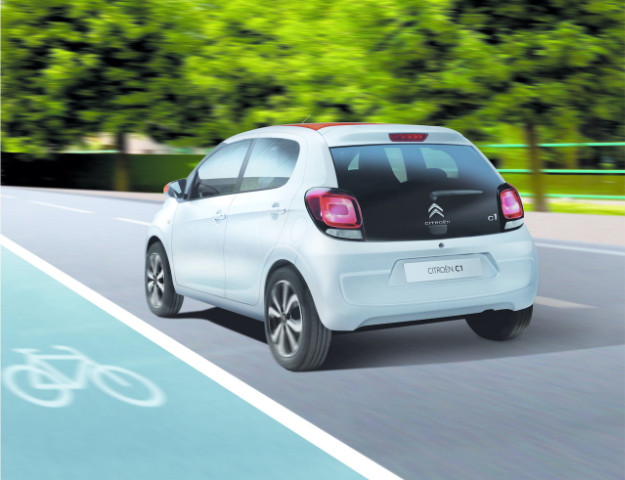
If you want one of these three cars, and don’t mind buying used, the Citroën C1 makes for compelling value. The most expensive C1 in our listing pages retails for less than R 120 000, which represents a handy 30% saving over a new Peugeot. Of course, it won’t have that new-car smell and fresh warranty and service plan, but it will do all the other things on offer in its new siblings.
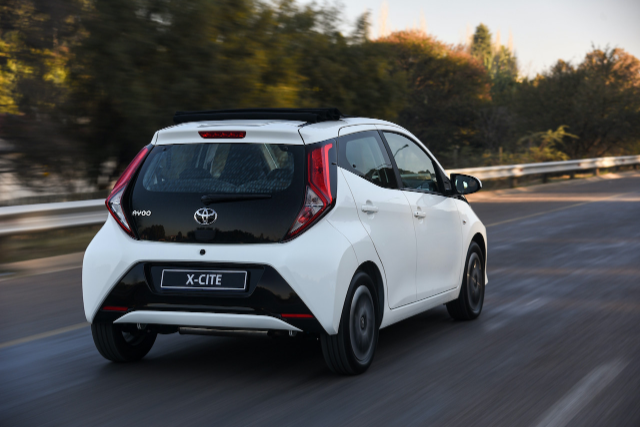
When shopping for a new car, the Toyota Aygo is on slightly shakier ground: it’s down two airbags on the Peugeot 108, has an inferior warranty, and only gets a service plan as an optional extra – but it only costs about R 1500 less than the 108. This relegates it to second place, simply based on the value proposition.
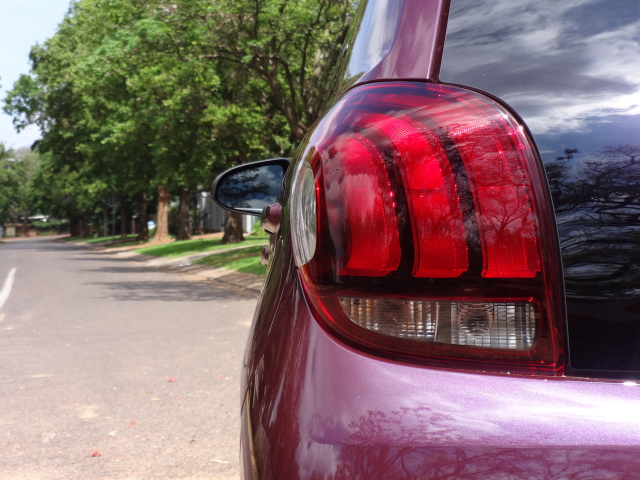
All of which leaves the Peugeot 108 as the overall winner here – for buyers who insist on a new car, that is. If warranties and the like don’t bother you, the Citroën C1 can make for a good used bargain, but if you want something new, the Peugeot 108 presents a well-rounded package for its asking price. It’s also the least-expensive new car to feature both stability control and 6 airbags, so it will appeal to value- and safety-minded buyers alike.
* Pricing was accurate at the time of writing, but may change without prior notice.
Recommended next:
Shop for a used Citroën C1 here.