
Which Nissan NP200 is better: diesel or petrol?
Nissan’s NP200 light pick-up is currently the only competitor in the three-quarter-ton market, after the withdrawal of Ford’s Bantam and then the Chevrolet Utility. That left an important and lucrative vehicle category with open for Nissan to dominate - again.



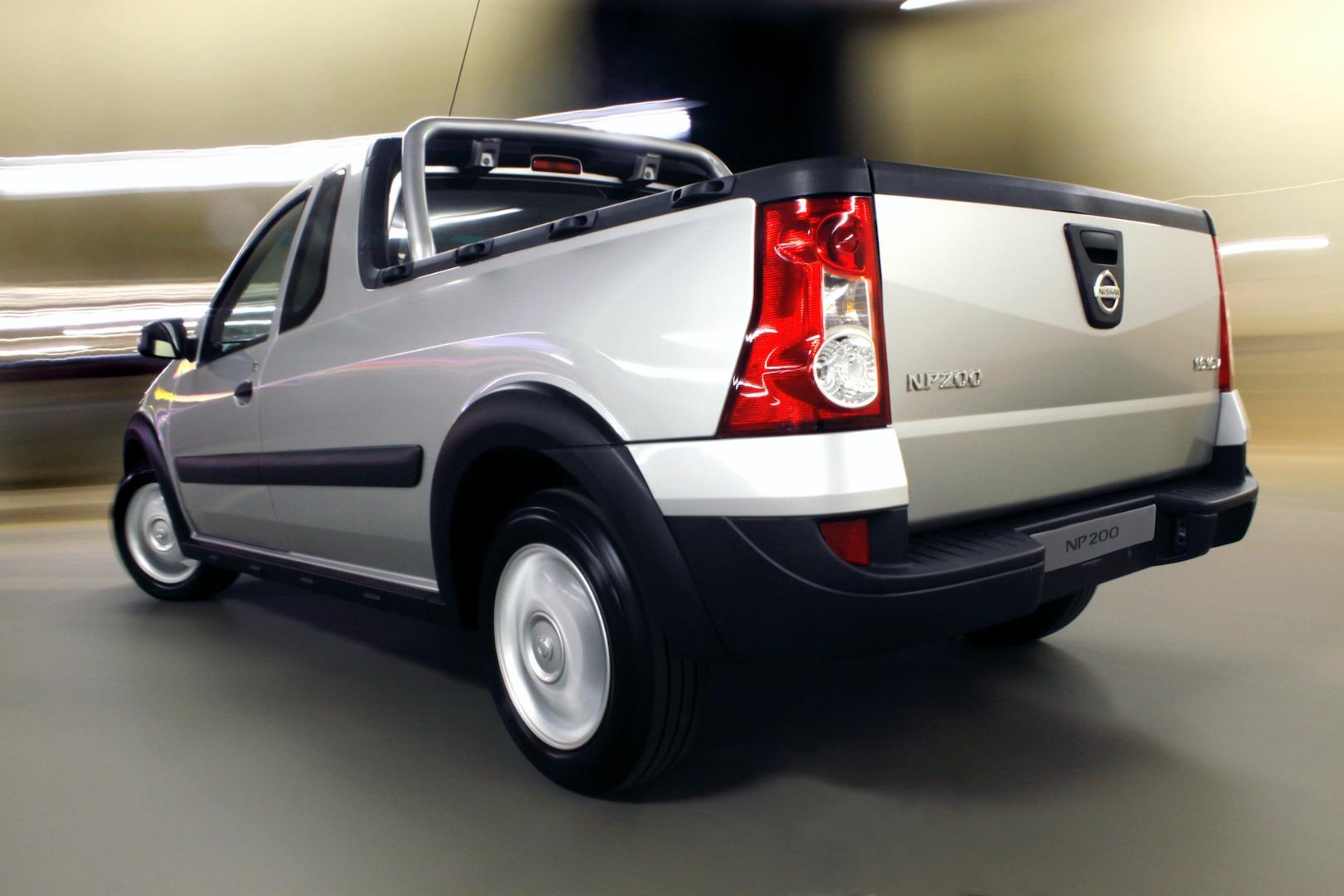
The Nissan NP200 pick-up came roaring out of the blocks in 2008, as a replacement for the most famous small bakkie in South African history: the rear-wheel-drive Nissan 1400 (Champ). For an article debating whether this new front-wheel-drive Nissan is a worthy successor to the legendary 1400, click here.
Related: Top 3 things you need to know about the Nissan NP200
Despite many fans mourning the demise of the old 1400, the NP200 immediately established itself as a major player in the so-called three-quarter ton market, thanks to its class-leading payload. Here's everything you need to know about the Nissan NP200.

The NP200’s strongest suit is lots of space
The NP200’s roomy load bay is rated for 790 kg, and combined with a spacious cabin, it immediately attracted plenty of buyers away from its initial rivals, the Opel Corsa Utility and the Ford Bantam.
Alas, the Bantam disappeared from our market in 2011, after the introduction of the new-generation Ford Ranger saw the entire Ford plant at Silverton, near Pretoria, reconfigured around Ranger production. And, as the Bantam was a unique design to South Africa, no global replacement could be found, so Ford withdrew from this segment altogether.
That left the three-quarter-ton market contested by just two players: the NP200 and the Corsa (which soon morphed into the Chevrolet Utility and then returned for a short-lived third generation). But, following General Motors's withdrawal from the South African market in early 2018, the NP200 suddenly had the entire sub-one-ton pick-up market all to itself.

The last player in its segment
As the only contender in its class, Nissan quickly set about upping production at its Rosslyn plant to cater for increased demand, and currently, the NP200 sells at a rate of 1 400 to 1 700 units a month. There has been talk of new three-quarter ton bakkies from rival manufacturers coming in to challenge the little Nissan, but none of them have materialised thus far. Would it be good for new drivers maybe? . Sadly, the NP200 is no more as it production will end in March 2024.

The Nissan NP200 model range
A year after its initial arrival in 2009, Nissan introduced a wider range of engines for the NP200, to supplement the 1.6-litre eight-valve petrol engine with which it launched. A 1.6-litre 16-valve petrol engine and a 1.5-litre turbodiesel were added to the mix, and that engine line-up remains pretty much intact today.
This engine produces 64 kW and 128 Nm of torque. This variant includes 2 airbags and ABS brakes - things that were absent from the entry-level NP200 in the beginning, but are now included across the range.

Next up the price ladder was the 16V version of the 1.6-litre petrol, only available in a high-trim form and named the NP200 1.6 16V High. This trim also includes nicer cabin appointments and minor cosmetic upgrades to complement the 77 kW and 148 Nm on tap.
There were two diesel variants at the top of the range, again available in the two main trim levels ("Safety Pack" and "High"), with the top diesel trim being the most expensive offering in the NP200 range. Engine output for both diesel NP200s is 63 kW and 200 Nm of torque, courtesy of the Renault-sourced K9K 1.5-litre, 4-cylinder turbodiesel.
Apart from its superior torque delivery, the diesel engine also offers a fuel consumption reduction of about 25 per cent over the petrol models, with a claimed average consumption of 5.3 ℓ/100 km against the 1.6i 8V's claimed 8.1 ℓ/100 km and the 1.6i 16V's claim of 8.0 ℓ/100 km. Pricing for the diesel models are, however much steeper than they are for their petrol equivalents.
At the moment, there are only 2 variants of the NP200 available, the 1.6i Safety Pack and the 1.6i Safety Pack with Aircon. Both variants are petrol-powered.

Buying a used NP200
One of the advantages of buying a Nissan NP200 is that spares are never going to be a problem, thanks to its strong sales figures. Another plus point is that the model range has remained essentially unchanged since 2009 - barring the standard fitment of the Safety Pack in later examples. This makes it attractive to buyers in the second-hand market, where there is not a huge advantage to be had buying new, in terms of basic specification. For a review of the minor upgrades applied in 2016, click here.
Related: Shop for new and used Nissan NP200 bakkies for sale here.

Finally, which Nissan NP200 is better: petrol or diesel?
While the diesel engine option in the NP200 offers the most torque and uses the least fuel, and is thus most suitable for transporting heavy loads and business use, private buyers would likely prefer the higher-output 16V version of the 1.6-litre petrol engine. It is a typically sweet-revving Nissan engine, whereas the diesel engine is a bit rough and noisy in this application.
In the longer term, when it comes to maintenance, petrol engines are also the better bet if engine trouble rears its head. Those common-rail diesel parts are not cheap to replace if they go wrong when mileages creep up above the 200 000 km mark.
So, despite the fact you’ll be using more fuel with a petrol-engined NP200, for us this is the better option. The initial cost for a petrol-engined NP200 is also significantly cheaper, which further sweetens the deal for private users.
Since NP200 production is coming to an end in March 2024, it would be wise to grab one while you can. So start searching on AutoTrader for one and sell your car at the same time.


