Which Mercedes-Benz GLC coupe is better: diesel or petrol?
The SUV with a coupe-style sloping rear end is a relatively new vehicle style within the automotive realm, with many manufacturers offering these sleeker versions of traditional SUVs. One such product is the popular Mercedes-Benz GLC coupe. Our question today is, which engine should you choose, the petrol, or the diesel?

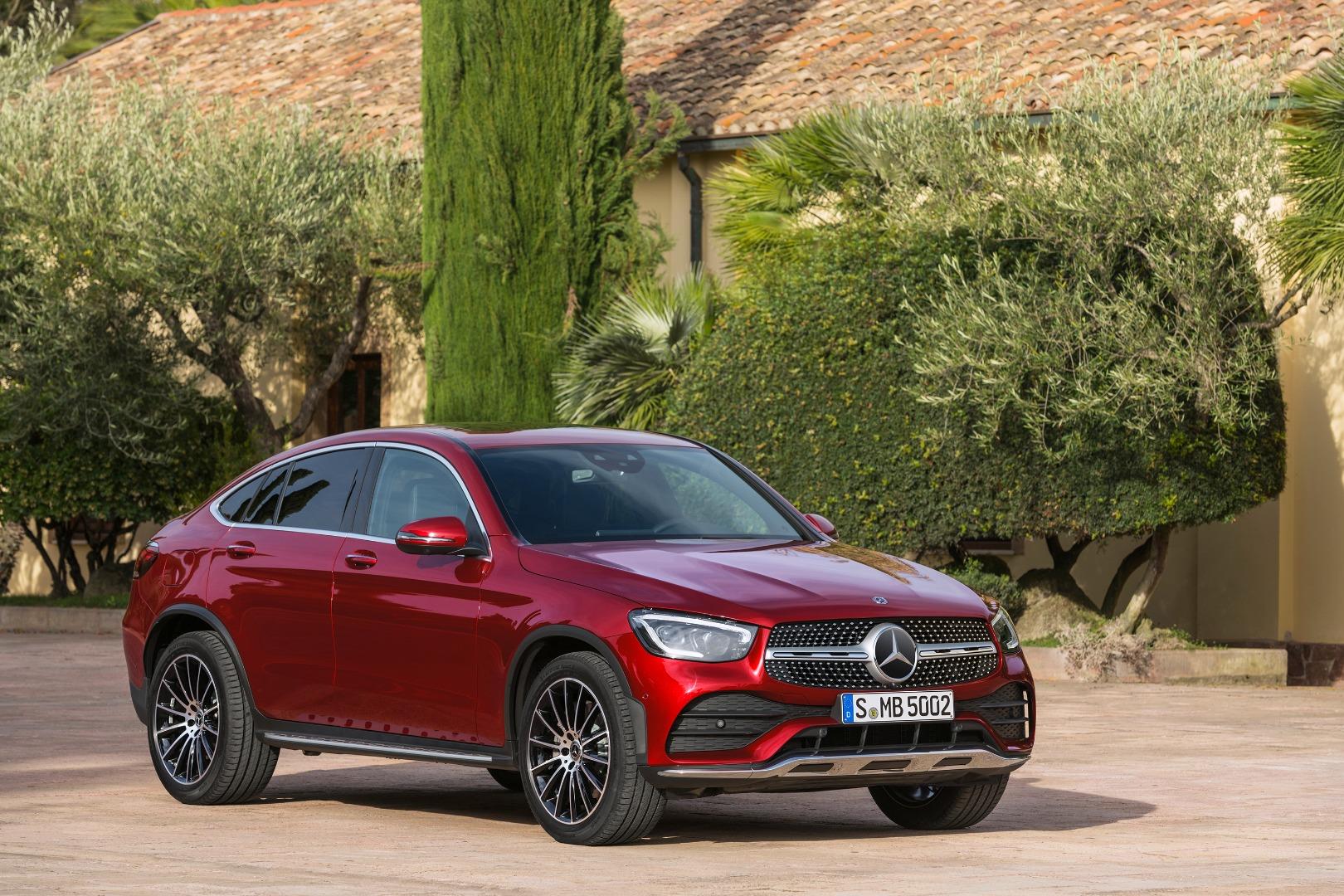


First released in 2016 as an SUV version of the popular C-Class, the Mercedes-Benz GLC shares its MRA platform with both the C-Class and the new EQC electric vehicle. In addition to the coupe version, we will focus on today, the GLC is also available in a more traditional SUV body style.
The current GLC range consists of twelve derivatives, six of which are available in the coupe body style. The coupe variant is available with two diesel engine, one petrol and in both ‘standard’ and AMG Line trim levels. For today’s comparison, we will be using the three AMG Line models with each engine derivate to determine which is best, petrol or diesel.
|
|
Mercedes-Benz GLC220d coupe 4Matic AMG Line |
Mercedes-Benz GLC300d coupe 4Matic AMG Line |
Mercedes-Benz GLC300 coupe 4Matic AMG Line |
|
Engine |
2.0-litre, 4-cylinder, turbodiesel |
2.0-litre, 4-cylinder, turbodiesel |
2.0-litre. 4-cylinder, turbodiesel |
|
Power/Torque |
143kW/ 400Nm |
180kW/ 500Nm |
190kW(+10kW EQ Boost)/ 370Nm |
|
Transmission Type |
9-speed automatic |
9-speed automatic |
9-speed automatic |
|
Driven wheels |
All |
All |
All |
|
0-100km/h |
7.9 sec |
6.6 sec |
6.3 sec |
|
Fuel Consumption |
5.5 L/100 km |
6.0 L/100 km |
7.5 L/100km |
|
Kerb weight |
1 845kg |
1 845kg |
1 785kg |
|
Price |
R1 126 980 |
R1 168 460 |
R1 1183 100 |
The petrol model
The petrol engine in the non-AMG GLC range is a 2.0-litre unit that produces 190kW and 370Nm of torque but is also bolstered by the brand’s EQ Boost starter motor-generator system, which adds 10kW of power and fills in any unwanted torque gaps present in the petrol engine. Performance is strong with a 6.3 second 0-1ookm/h time and a top speed of 240km/h. Fuel consumption is reasonable too, with a 7.5L/100km figure equating to around 880km on a single tank of petrol.
The diesels
Both diesel engines in the range are 2.0-litre units in different states of tune. The 220d produces 143kW and 400Nm of torque, allowing for a 0-100km/h time of 7.9 seconds and a top speed of 217km/h. The 220d’s trump card is its fuel consumption, which is just 5.5 L/100km, allowing 1 200km on a single tank of diesel.
The 300d is more powerful, with 180kW and 500Nm of torque, allowing it to challenge the petrol model, with a 0-100km/h time of 6.6 seconds and a top speed of 233km/h. While the 300d’s fuel consumption is not as impressive as the 220d, it still consumes fuel at just 6.0 L./100km, allowing for 1 100km on a tank of fuel.
Analysis
Looking at the figures, the diesel engines certainly have a clear advantage from both a pricing and fuel consumption perspective. Despite being the most expensive, the petrol model offers the best performance while also sporting the very latest mild-hybrid technology.
Verdict
Having looked at the numbers, it is clear that the GLC 300d coupe offers the best compromise between price, fuel consumption and performance, granting it the victory in this challenge.