

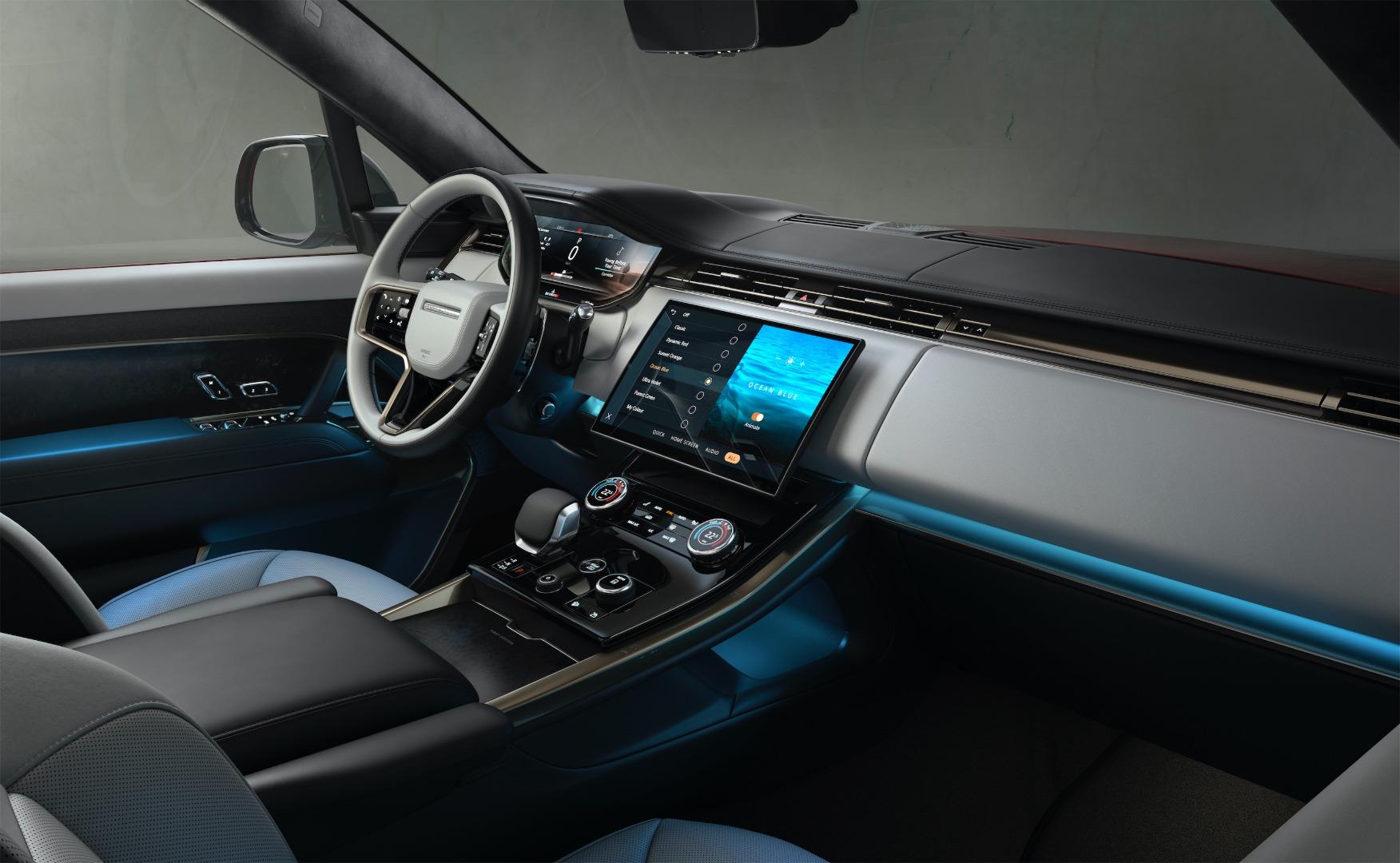
The new model is here!
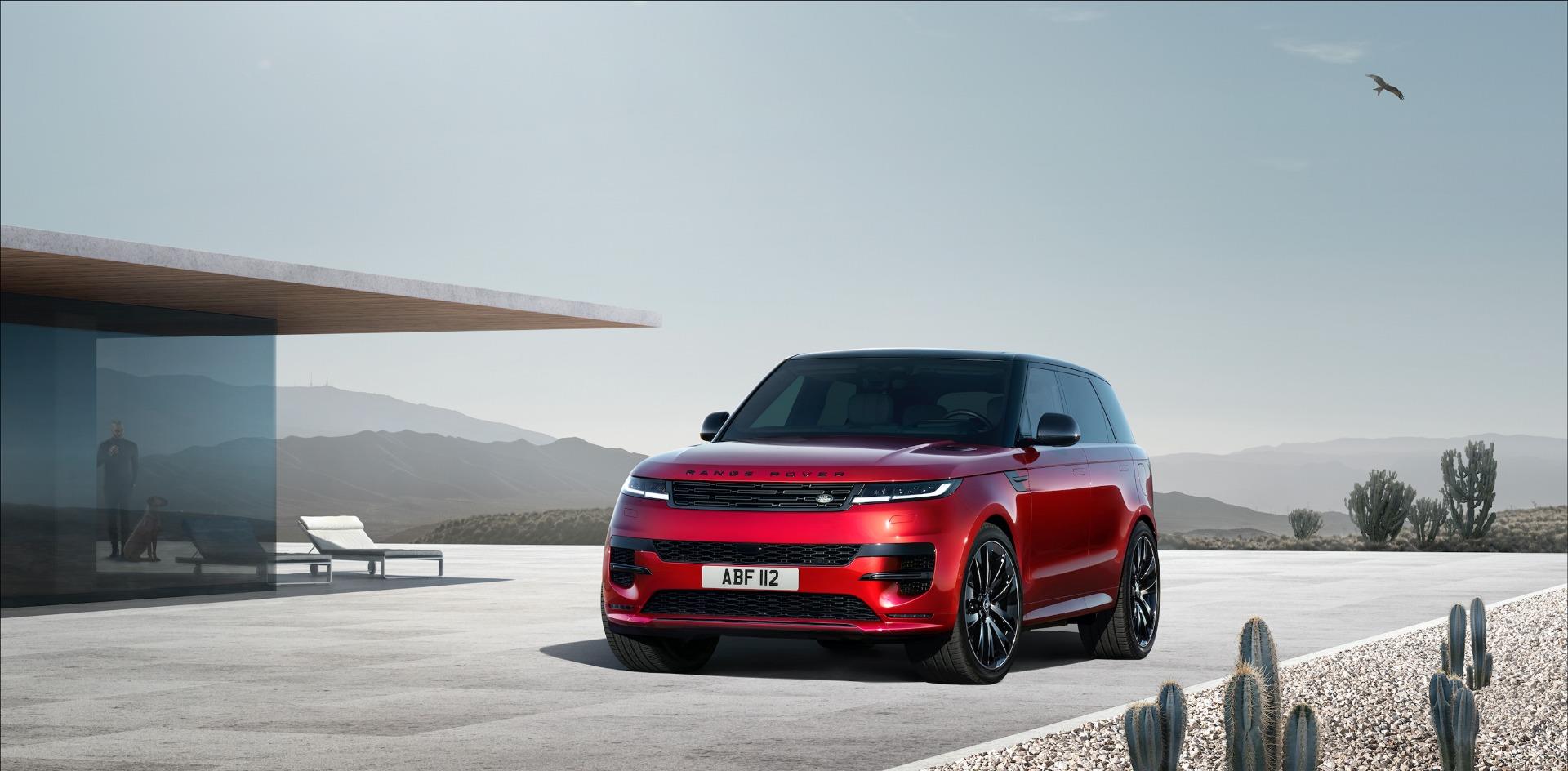
The Range Rover Sport was launched recently and the brand will be hoping that the newcomer is as successful as the previous generation, which is a common sight on local roads.
The Land Rover line-up is rather an odd one, in that there are 'regular' models such as the new Defender and Discovery Sport as well as Range Rover models, which are more luxurious. Today we will be looking at the model range to determine whether you should opt for a diesel or a petrol-powered model.
Where does the Sport fit into the Range Rover scheme of things?
The Range Rover Sport is bigger than both the Evoque and the Velar, although the Velar (which is derived from the Jaguar F-Pace) is much closer in size to the Sport. As the Range Rover line-up has evolved, the Sport is no longer the “little” Range Rover. But one thing’s for sure, it is still very sporty!
Vast engine line-up for the Sport
Picking your way through the model and engine line-up in the Range Rover Sport can be almost as confusing as trying to separate the various Range Rover model lines. In short, there are four engine options across twelve variants, with five petrol derivatives, five diesel models and two petrol-electric hybrids.
Land Rover badges some cars with engine-power designations.
While the engine line-up is complex, Land Rover badges petrol models with a 'P' designation, diesel models with a 'D' and hybrids with 'e' after the horsepower designation. The figures after the 'P' or 'D' refers to the power on offer from the engines. Being of British origin, the badging relates to the horsepower ratings, rather than kW output. So a "P360" model is so badged because it is rated at 360 horsepower or 265 kW. A P400e model has 400 horsepower (297 kW).
The petrol models
The straight-six turbo with 48-volt mild hybrid assist or full hybrid
There are two iterations of the 3.0-litre in-line six-cylinder turbocharged engine, one with a 48-volt electric architecture which produces 258 kW and 700Nm in the P400 model and 375kW/700Nm in the full hybrid version, which is badged the P510e. The P400 will get to 100 km/h in a claimed 5.7 seconds and consumer fuel at a rate of 9.4 L/200km while the hybrid's claimed fuel consumption is just 1.6 L/100km while sprinting to 100 km/h in 5.4 seconds.
The 4.4-litre turbocharged V8
The flagship models receive a BMW-sourced 4.4-litre twin-turbo V8 that produces 390kW/750Nm of torque. It will consume fuel at a rate of 12.1 L/100km while getting from 0-100km/h in 4.5 seconds.
Diesel engines
The 3.0-litre V6 diesel
The mainstay diesel engine in the Range Rover Sport line-up is the 3,0-litre turbocharged straight-six. This engine produces 258kW and 700Nm of torque and will consume fuel at a rate of 7.4 L/100km while sprinting to 100 km/h in 5.9 seconds.
Our choice
This is a tough one. The petrol V8 suits the sporty character of the car but will be very heavy on fuel, particularly when compared with the hybrid and diesel models. When all is said and done, the hybrid would be our choice as it provides the best combination of performance and efficiency.