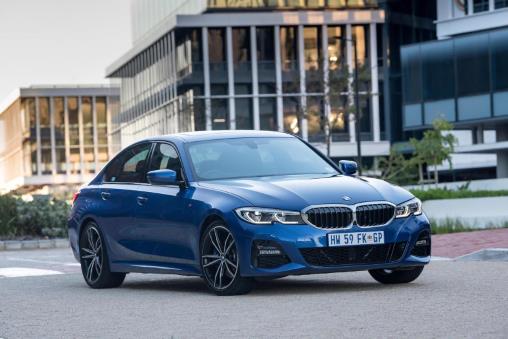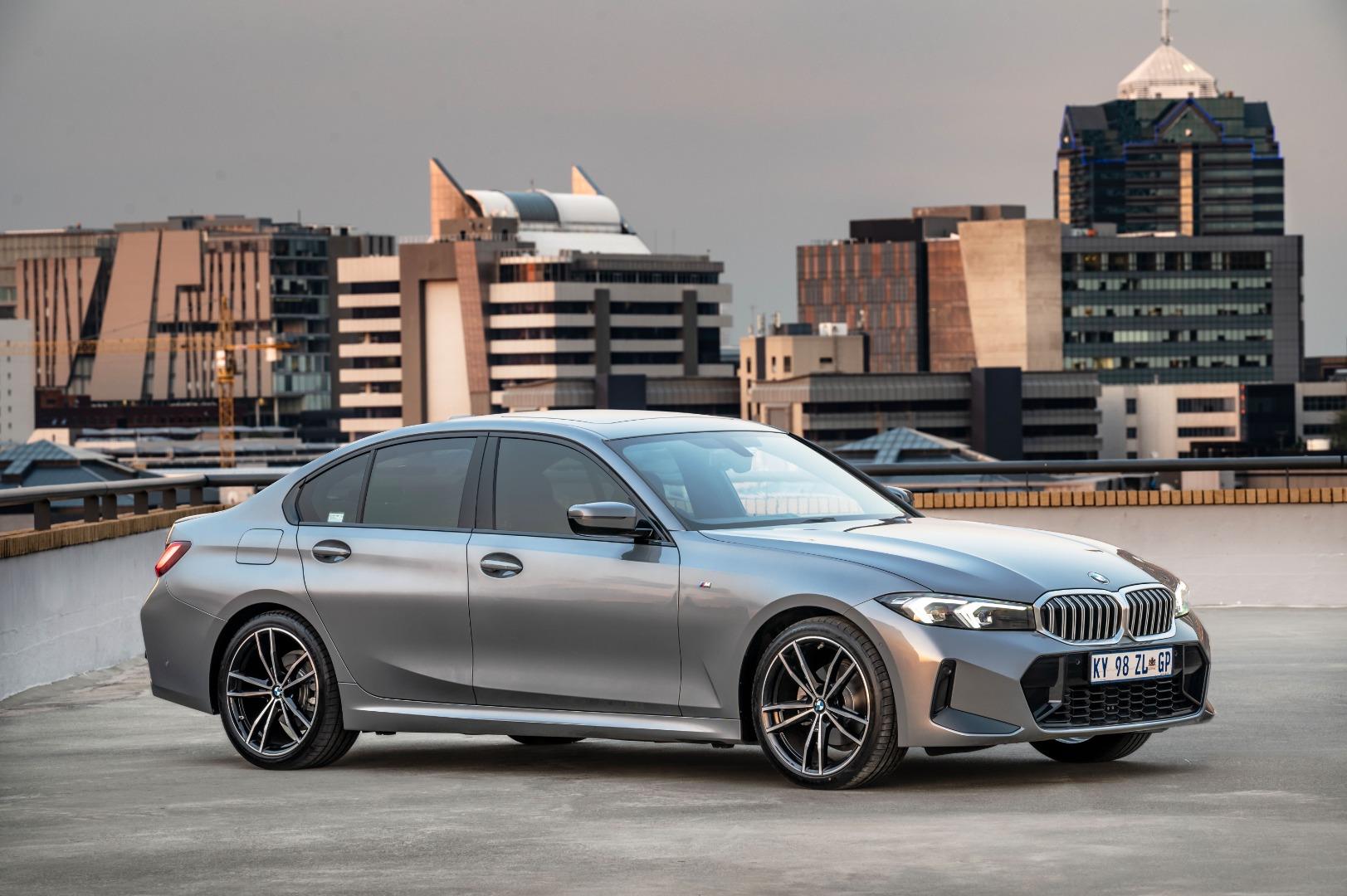


The latest iteration of the BMW 3 Series arrived on local shores in 2022 and is a welcome addition to the BMW product range. While the new model clearly incorporates BMW's latest design language, it retains many of the styling characteristics that enthusiasts have come to enjoy. Unlike the BMW 4 Series, which shares the same platform, the 3 Series retains the horizontally configured kidney grilles.
The exterior is not the only area in which the new model improves on that of its predecessor but on the interior too. BMW has completely reimagined the dashboard and fascia and has incorporated some of the best trim and technology for the occupants. The new 3 Series is also offered with a variety of powertrains so that the driver can get exactly what they want in their new premium sedan.
But before you sell your current BMW 3 Series with our Instant Offer tool and start your search for new or used BMW 3 Series models on AutoTrader here, let us take a look at whether the petrol or diesel derivatives are what you should be looking for.
Related: Everything you need to know about the 2023 BMW 3 Series

Powertrains
As mentioned earlier, the BMW 3 Series offers four petrol engines and one diesel motor. All of which will meet the requirements of specific buyers. But what if you want the engine that gives you the best balance between performance and frugality? Well, that is what we are going to find out.
Petrol
| BMW 318i | BMW 320i | BMW 330i | BMW M340i xDrive | |
| Engine | 2.0-litre, turbocharged, 4-cylinder petrol | 2.0-litre, turbocharged, 4-cylinder petrol | 2.0-litre, turbocharged, 4-cylinder petrol | 3.0-litre, turbocharged, inline-6 petrol |
| Transmission | 8-speed automatic | 8-speed automatic | 8-speed automatic | 8-speed automatic |
| Power | 115 kW | 135 kW | 190 kW | 285 kW |
| Torque | 250 Nm | 300 Nm | 400 Nm | 500 Nm |
| 0-100 km/h | 8.6 s | 7.4 s | 5.8 s | 4.3 s |
| Top speed | 223 km/h | 235 km/h | 250 km/h | 250 km/h |
| Fuel consumption | 6.5 L/100km | 6.5 L/100km | 6.5 L/100km | 8.0 L/100km |
| CO2 emission | 147 g/km | 147 g/km | 149 g/km | 182 g/km |
*This table was compiled with information sourced from www.duoporta.co.za
Diesel
| BMW 320d | |
| Engine | 2.0-litre, turbocharged, 4-cylinder diesel |
| Transmission | 8-speed automatic |
| Power | 140 kW |
| Torque | 400 Nm |
| 0-100 km/h | 7.0 s |
| Top speed | 235 km/h |
| Fuel consumption | 5.0 L/100km |
| CO2 emission | 133 g/km |

Verdict
Side by side, the performance of the smaller 2.0-litre, turbocharged, 4-cylinder petrol and diesel motors are admirable, especially considering what the 3.0-litre, turbocharged, inline-6 petrol is capable of. If you prefer a petrol engine above a diesel, we would recommend the BMW 330i.
The smaller 4-cylinder motor might not produce the same amount of power as the inline-6 in the M340i; however, the difference in the performance figures is marginal while being more frugal. But if you are looking for the best combination of speed, comfort and frugality, we think the BMW 320d is the one to have.