
It's an interesting time that we find ourselves in. We're witnessing the transition from internal combustion engines to renewable energy and greener sources of fuel. It's a pivotal time in motoring history and we're present to watch it develop and unfold. While many will say that electric is the way of the future, it's most likely that electric mobility will be a stopgap to a more sustainable solution, like hydrogen.
Related: Volkswagen e-Golf (2021) - the EV that's not for sale
As vehicle manufacturers shift their focus and attention to electrification, they're having to rethink the way that they build cars. The easiest way to go about testing an electric drivetrain is to take an existing platform and convert it to electric. This takes a lot of the headache out of redesigning things like suspension components, body panels and lighting. This approach is not without its limitations though and when one opts to convert an ICE (Internal Combustion Engine) vehicle to electric you're constrained by the existing architecture.
It's often worth taking this approach in the early days as the battery and motor units are tested but soon you will find that you want to design the entire vehicle from the ground up, taking advantage of the compact and flexible nature of electric powertrains.

The Volkswagen e-Golf
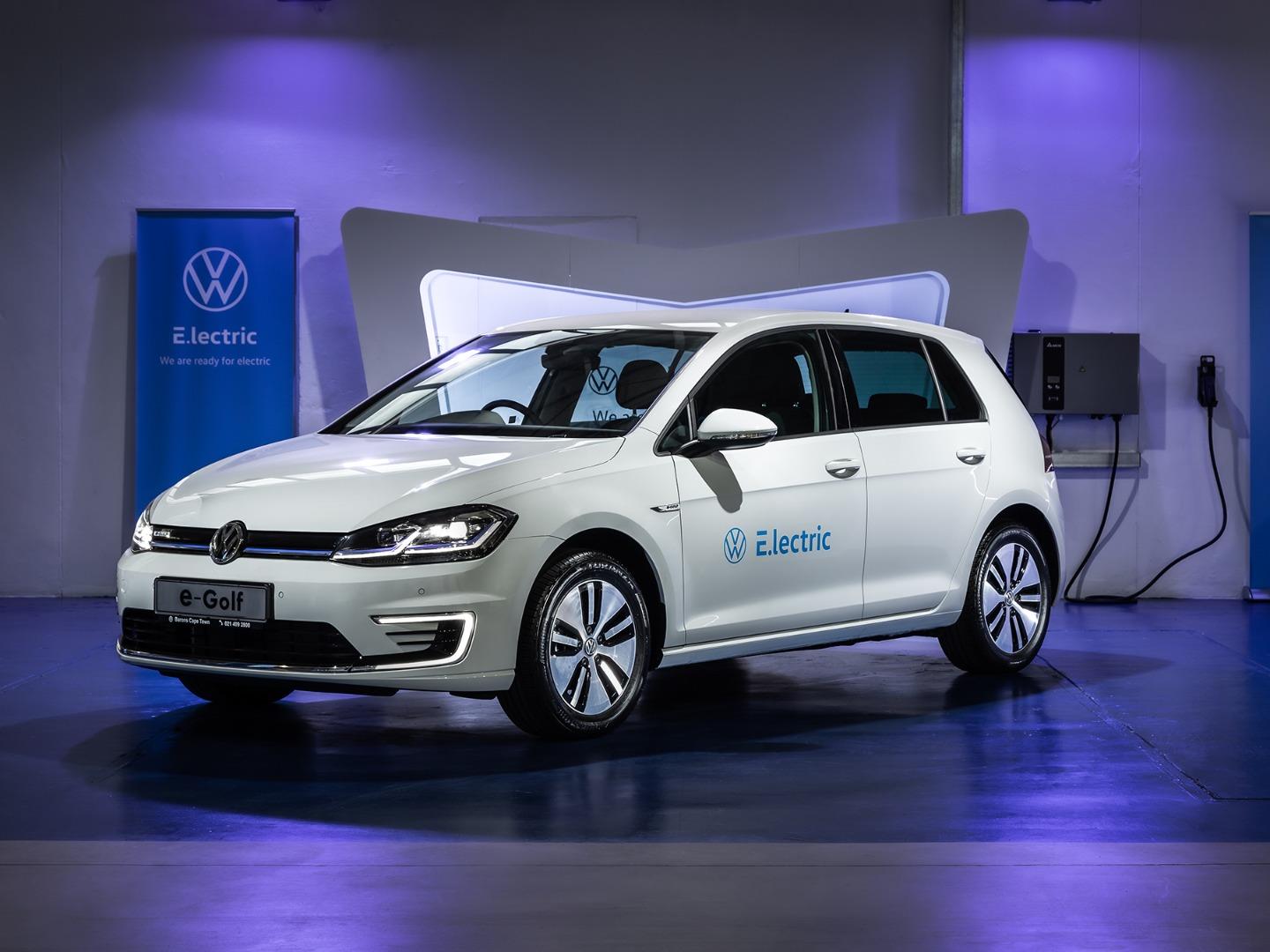
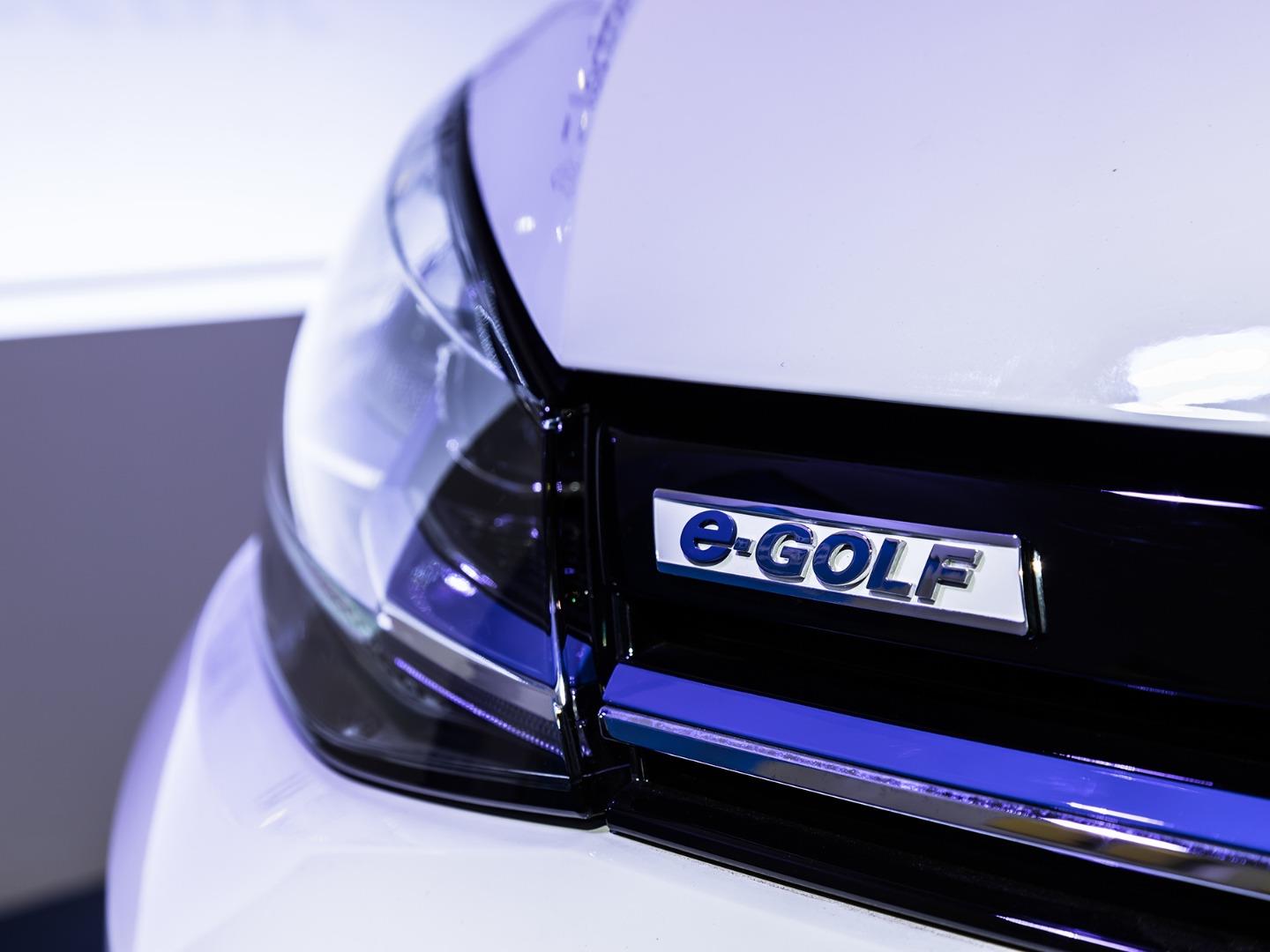
The Volkswagen e-Golf was one of the company's first forays into mass production of an electric vehicle. Their approach was to take the existing Golf 6 and convert it to an electric vehicle. This was their test bed for the future e-Golf project which saw the Golf 7 used for production.
This approach had two benefits; they had the majority of the tooling in place to create most of the vehicle, and presenting a familiar model to the public would make it easier for the consumer to accept. Too radical an approach and the masses tend to shy away from it. As a result, the VW e-Golf proved rather popular despite the fact that it was inherently limited by the existing Golf chassis and design. This also limited the number of battery cells that the e-Golf was able to accommodate.

Volkswagen e-Golf range
Two versions of the e-Golf were created, neither of which were officially sold in South Africa. The first version was equipped with a 24.2 kWh battery system to give it a claimed range of 130 to 190 km. The NEDC test cycle rated it at 190 km while the American EPA listed it at 134 km.
In 2017 the model was updated and this brought with it a larger battery system. The battery capacity was increased to 35.8 kWh and paired with a more powerful 100 kW traction motor. This combination made the facelifted e-Golf sprint to 100 km/h from a standstill in 9.6-seconds and had a top speed of 150 km/h.
The range of the 100 kW e-Golf was claimed, by Volkswagen, to be between 170 and 230 km/h. Real-world tests suggest that you can expect between 180 and 190 km depending on the environment and use of the vehicle despite claims from the NEDC of a range of 300 km. NEDC tests are static control tests that simulate the optimum operating conditions and predate the now more common WLTP cycle tests.