How repossessed car auctions work
Dive into the world of vehicle auctions where the vehicles have been repossessed by the finance houses and are sold off to recover costs. This can be a gold mine if you know how they work and what to look for. We explain the ins and outs of this potentially lucrative side of car sales.


Car auctions have a mystery about them that can be addictive. There is always a rush when a car is being offered up for auction to the highest bidder, and when there are a couple of bidders involved in a “war”, there is plenty of adrenalin flowing. Here are some pros and cons of selling a car at auction.
Related: Is it worth buying a repossessed car?
Of course, underlying this excitement is the real knowledge that auctions can offer up real bargains in the used-car field. And, as long as you register with the auction house as a bidder, and can prove that you have sufficient finance at your disposal to bid on a car or many cars, you, as a private buyer, can bid against all the traders that normally make up an auction audience.

Repossessed cars
The cars in stock for a given auction have generally been repossessed by a bank or other financial institution, due to a client defaulting on payments. In many cases, banks will try and assist in helping the client make good on their commitments, but after a certain period, the car is repossessed. Once the financial documents have been completed, the car is put up for sale via auction. However, some private sellers also put their cars up for auction, even though they have been fully paid for, in the interest of realising a quick cash payment for their cars. Is it worth buying a repossessed car?

Pricing at auctions
The reserve (minimum bid) price for a car at auction is usually measured against its current used trade value, with various other considerations taken into account, such as mileage and general condition.
According to experienced auctioneers, these reserve prices tend to be between 10 and 15 per cent below retail trade value or up to 20 per cent less than retail value, for a given model. The more popular the car (these tend to be the lower-priced models), the closer the reserve price will be to the current trade or “book” value of the car. This assumes that the car is in good condition.
It is in the interests of the auctioneer to try and ensure that a vehicle actually sells at auction, but also to raise as much money for the financial institution to recoup the monies outstanding on the vehicle due to the erstwhile owner having defaulted on the deal. The reserve price is based only on market values and does not reflect the amount owing on the repossessed vehicle.
Try out our 'Value my car' tool to give you an indication of what the vehicle could be worth.

To Register
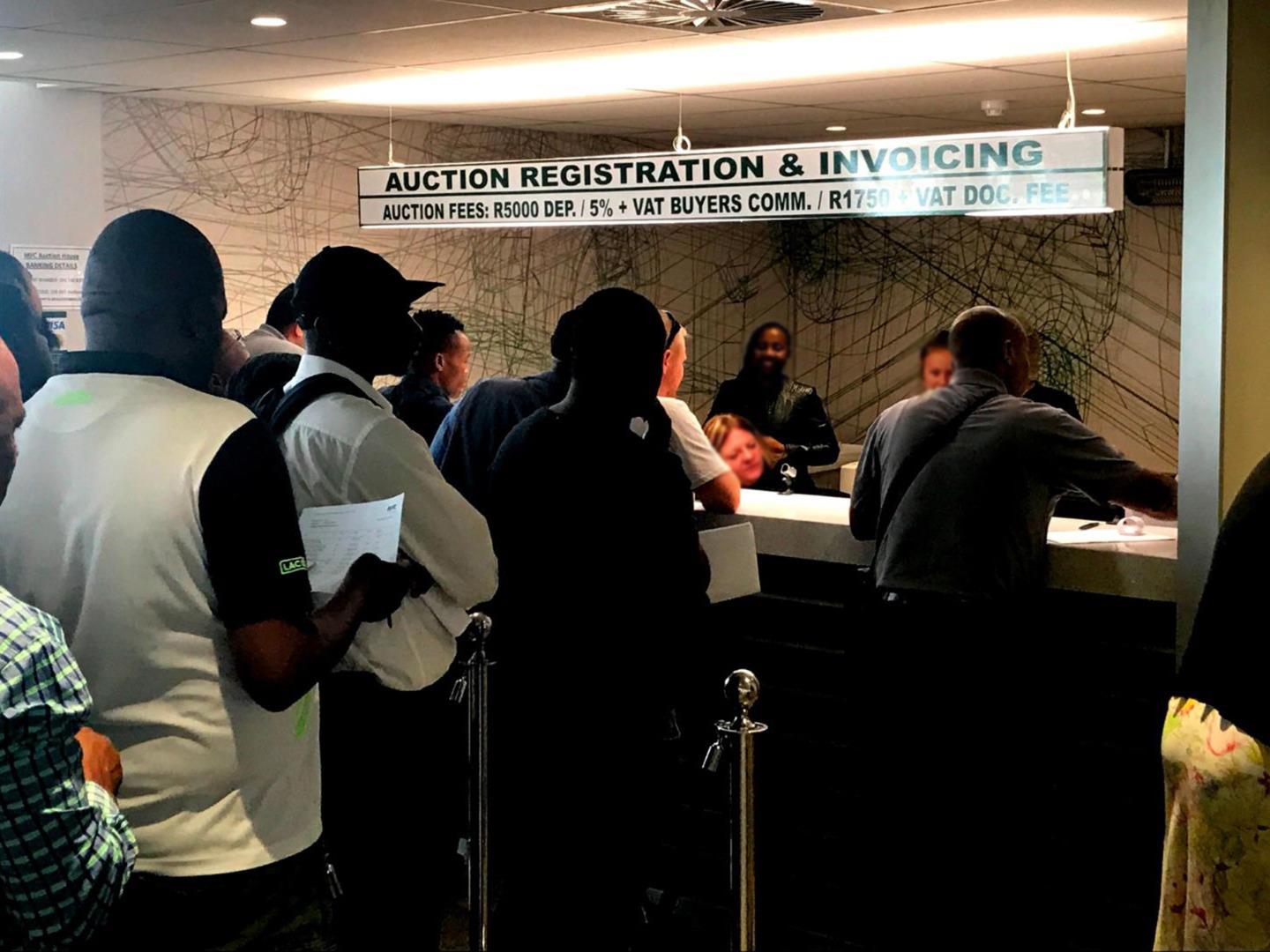
You need to provide the auction house with FICA details, such as a certified copy of your ID document and proof of residence via a valid utility bill in your name, no older than three months. In addition, most auction houses charge a (refundable) registration fee; you can expect the fee to be an estimated R5000 to indicate the seriousness of intent.
Most auction houses will also require proof that you are capable of financing a vehicle you intend to bid on, either with proof of pre-approved finance or via a valid, certified bank statement indicating you have the required funds at your disposal. When you arrive at the auction (at least an hour before the advertised time), you will be required to fill out all the paperwork to receive a valid bidding number.

Your deposit will be lost if you default on a successful bid.
If you make a successful bid on a car, but then fail to pay for a car (usually because your finance for the car suddenly falls through), you will lose your deposit. If you didn't win a bid on a vehicle at the auction, your deposit will be repaid in full. If you buy a vehicle, that deposit will be knocked off the overall selling price.

The auctioneers take a commission and add VAT to the selling price.
Auctioneers stress that buyers should be aware that there is an estimated six per cent commission to be added onto the selling price, for the auctioneers. And those top-bid prices don’t include the 15 per cent VAT payable to the government. This should be factored into the ultimate selling price when bidding on a car. Once your car has passed a roadworthy test, there will also be a licensing and registration fee payable.
The auctioneers don’t provide a guarantee on a car.
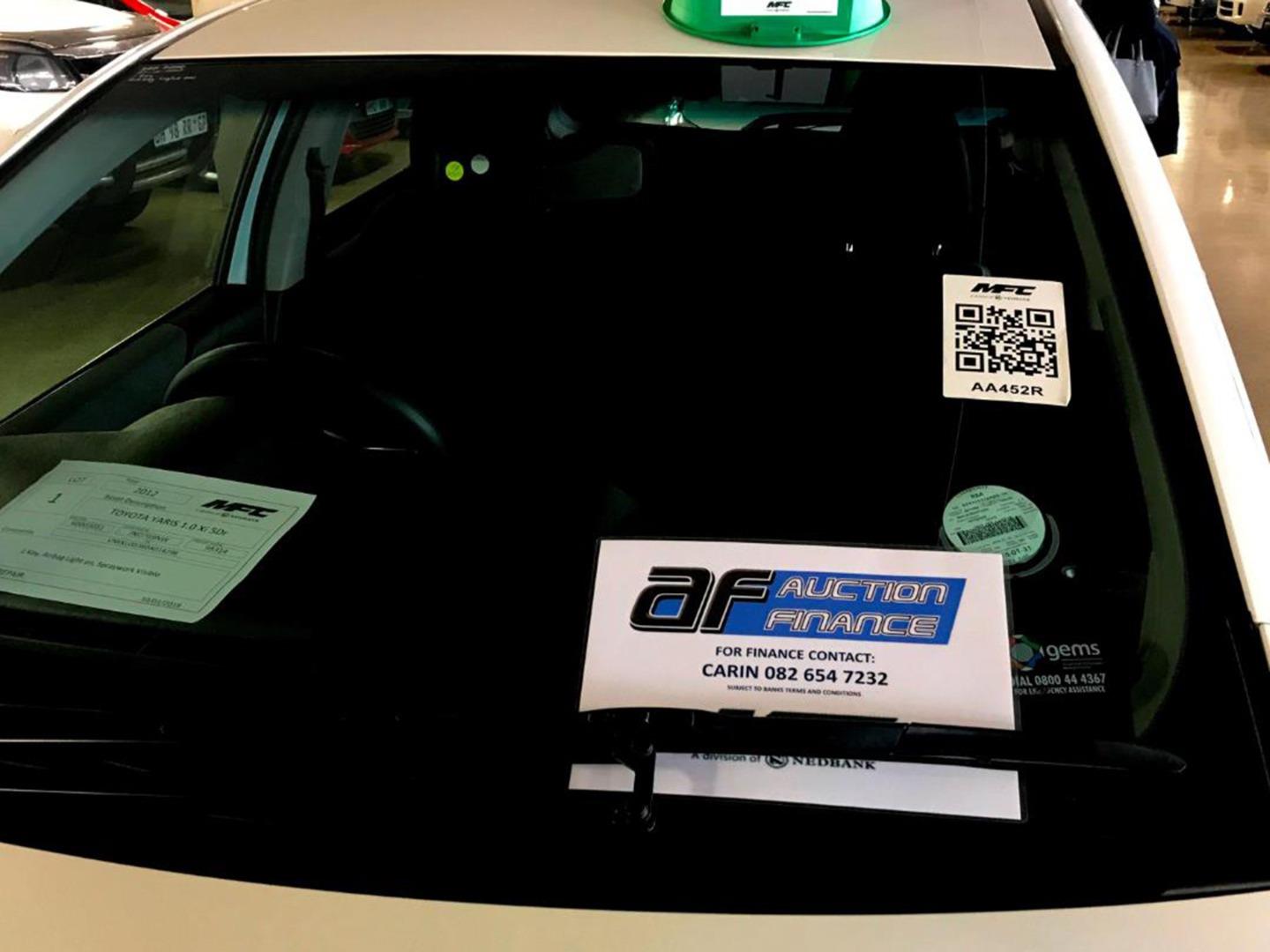
The auction houses provide no level of guarantee on any vehicle sold at auction. However, many repossessed cars still have a certain amount of warranty coverage and maintenance plan coverage that still applies to the vehicle, as guaranteed by the manufacturer at the time of its original sale. The auctioneer should list these details on an information sheet affixed to the windscreen of each car. Faults should also be listed, ranging from minor to major.
In the case of badly treated cars, any faults discovered by the auction houses’ evaluators should also be listed on each vehicle, and this will, logically, be reflected on a lower-than-usual reserve price on such a vehicle.
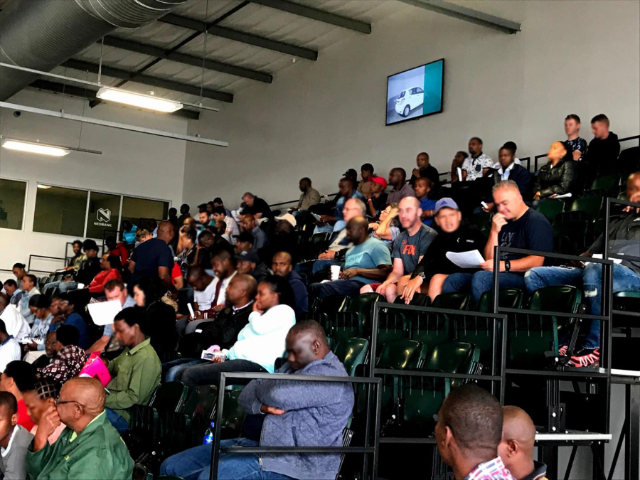
Viewing days are held before each auction.
Make use of the viewing days, usually held a day or two prior to each auction, to give you an idea of what cars are available. If there is a car that particularly grabs your fancy, then note the VIN number (Vehicle Identification Number) listed on the licence disc and research that particular car’s history through the dealership where it was bought.
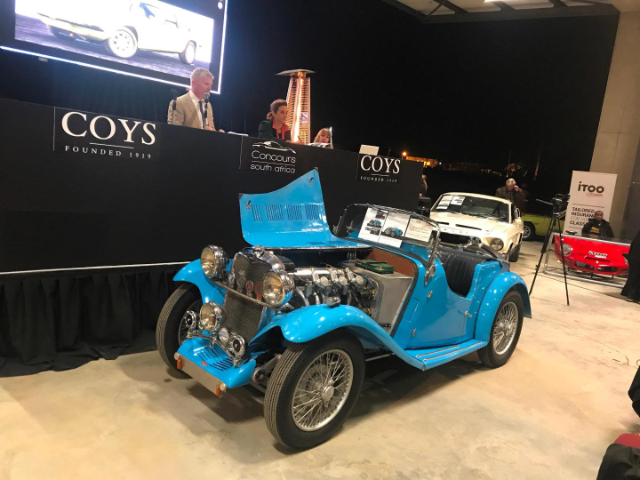
Before you start bidding, attend a few auctions.
All the major auction houses recommend that, for private buyers entering the sometimes heady world of car auctions, it is almost essential that you attend a few events to see how car auctions work. This is in the chief interest of preventing the well-known syndrome of “buyer’s remorse”.

And do your homework.
Before even visiting the auction house, decide on the type of car you want to buy and do your research online on AutoTrader. This will give you a great idea of what current retail selling prices are, for the particular car you have in mind. Then, do similar searches on competitive models of the same model year, and see whether they hold their value better or worse than the car you have in mind.
*These days, auction houses also entertain online, telephonic and live-stream bidding. But we advise that before you start bidding online, visit a real-live auction or two, just to get the feel of things.