What is the difference when insuring a new car versus a used car?
Insuring a used car costs less than insuring a new car, right? While that can often be the case, there are several factors that could mean that you end up paying more to insure a used car than you would a new car. We address these factors here.



Car insurance may seem like a nuisance and an additional expense that you can do without but the simple fact is that with modern car prices one cannot afford to be without some form of cover. Insurance doesn't only protect your car and its value, it pays out for the damages to the other vehicle too if you are found to be at fault - and let's be honest, accidents happen, no matter how careful you are.
Related: Tips to get the best car insurance price
Insurance is there to help ensure that you are in the same financial position after an accident as you were before it happened. It's for this reason that it's important to get the right, comprehensive cover for your vehicle to safeguard you against loss. If you're found guilty of causing the accident, you will be liable for the repairs or the replacement of the other person's vehicle. This, in addition to having to pay for your own vehicle, can financially ruin you and place a large, black mark against your name going forward.

Factors that influence premiums
Insurance premiums are the monthly charges you are required to pay to the insurer each month to ensure that you are covered by their policy. Think of it as a saving scheme with a set amount that you have access to in the event of a claim. This amount that you have access to depends on the item you're insuring. The monthly premiums are based on the value of the item you're insuring (in this case, a vehicle) as well as your own risk profile.
Your risk profile is influenced by factors such as location (where you live, as some areas are more congested or prone to crime), the vehicle's storage during the day and after hours, as well as your own claim history. If you have a habit of claiming from insurance, your premiums will be higher. The safety systems that you have fitted, and your driver training, can also contribute to your premium amount. Drivers with less experience and cars with weaker security pose a higher risk to insurers and end up with higher premiums, despite the value of the vehicle.
New vs Used car insurance policies
In theory, it is cheaper to insure a used car than it is a new car. New cars cost more and therefore need a greater coverage amount. The depreciation of a used car means that it's valued at a lot less than most new cars.
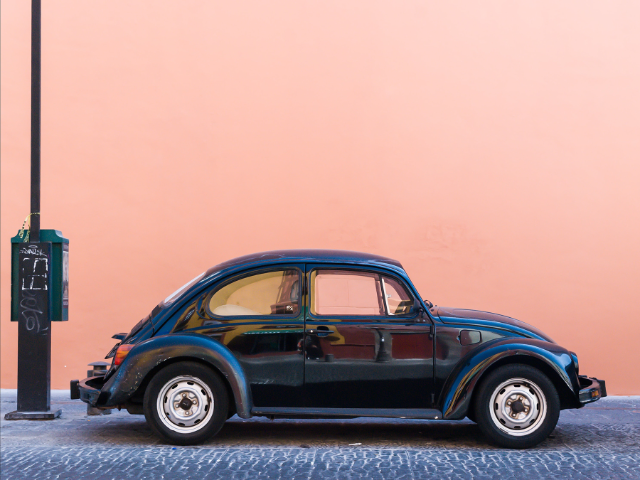
Naturally, there are exceptions. It is possible to buy a new car that costs less than a used car. For instance, if you insure a new Suzuki S-Presso at a retail value of R152 900, your insurance will be less than if you insure a used BMW X5 that cost R650 000. This is also true for vehicles that are rare, uncommon or expensive to repair with a limited dealer and parts network. This is worth keeping in mind as you look for vintage and classic cars.
Common vehicles with easily accessible repair parts generally cost less to insure than some of those with limited resources. Brands with smaller local presences like Citröen, Subaru, and Alfa Romeo may cost more to insure than their Toyota, VW, or Ford counterparts. It's worth investigating this before looking into purchasing.
The type of vehicle also factors in. A sports car with a large displacement or powerful engine will cost more to insure than an economical hatchback, both new and used.

Legal requirements
It's important to note that you are legally obliged to keep any vehicle that is purchased through a finance agreement comprehensively insured. This is to safeguard the bank's investment in the car. Up until such time as you've completely paid off the loan from the bank (the finance agreement), the bank is the lawful owner of the vehicle and the terms of your use includes keeping it comprehensively insured. This bodes for both new and used vehicles purchased through a finance agreement.