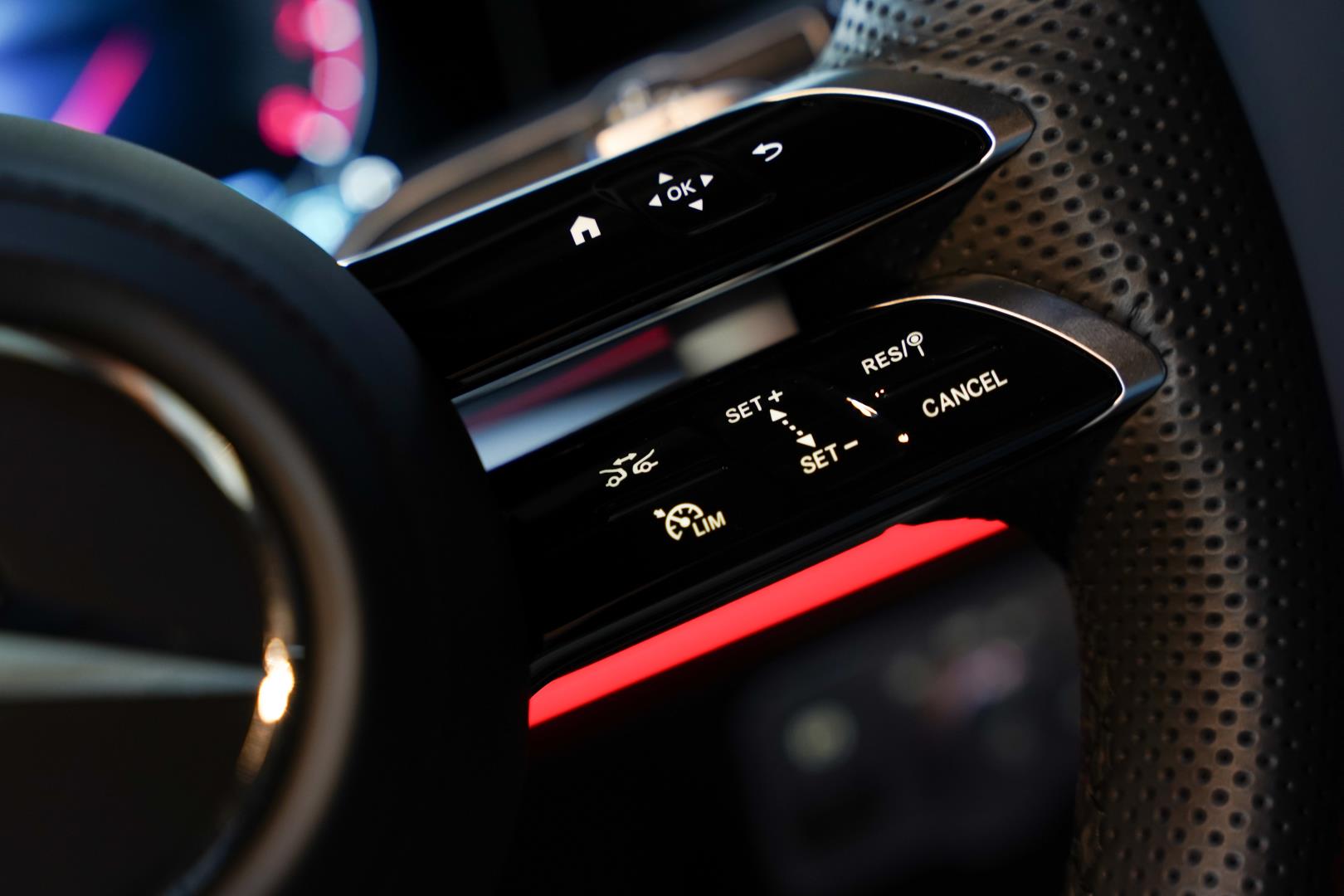


Cruise control, a feature hailed by many drivers as a game-changer on long journeys, offers convenience and comfort behind the wheel. But what exactly is cruise control, and how can it elevate your driving experience? Let's explore the ins and outs of this automotive innovation.
But before you search for new or used cars on AutoTrader fitted with a cruise control system, remember that you can sell your car quickly and easily on our website.
Related: What is cruise control with brake function?

What is Cruise Control?
Cruise control is an electronic system designed to maintain a steady speed set by the driver without the need for continuous manual acceleration or deceleration. It provides a relaxed driving experience, especially on highways and open roads.
Types of Cruise Control Systems:
Traditional Cruise Control:
This type allows drivers to set a specific speed, which the vehicle then maintains until manually deactivated. It operates by adjusting throttle input to control the vehicle's speed, typically using engine vacuum or electronic sensors.
Adaptive Cruise Control (ACC):
ACC goes a step further by incorporating sensors, radar, or cameras to monitor the distance between your vehicle and the one ahead. It automatically adjusts your vehicle's speed to maintain a safe following distance, slowing down or accelerating as needed.
Predictive Cruise Control:
This advanced system utilises GPS data and map information to anticipate upcoming road conditions, such as curves, hills, and speed limit changes. By analysing terrain and traffic patterns, predictive cruise control optimises speed for improved fuel efficiency and driving comfort.

How Cruise Control Works:
Cruise control systems operate by electronically controlling the throttle, brakes, and speedometer to maintain a constant speed. Here's a simplified breakdown:
Activation:
The driver engages cruise control by pressing a designated button or lever, typically located on the steering wheel or behind the steering wheel.
Speed Setting:
Once activated, the driver sets the desired speed using controls provided in the vehicle.
Speed Maintenance:
The cruise control system continuously monitors vehicle speed and adjusts throttle input accordingly to maintain the preset speed.

Considering a Car with Cruise Control?
Investing in a vehicle equipped with cruise control can significantly enhance your driving experience, especially during long trips. Benefits include:
Reduced Fatigue:
Cruise control allows drivers to relax and maintain a steady speed, reducing fatigue on extended journeys.
Improved Fuel Efficiency:
By maintaining a consistent speed, cruise control can help optimise fuel consumption and save on fuel costs.
Enhanced Safety:
Adaptive cruise control adds an extra layer of safety by automatically adjusting speed to maintain a safe distance from other vehicles.

Conclusion
Cruise control offers a convenient and efficient way to navigate highways and long stretches of road. Whether opting for traditional, adaptive, or predictive cruise control, drivers can enjoy a more relaxed and enjoyable driving experience.