Volkswagen Caddy vs Opel Combo vs Mahindra XUV500: here's our winner
Volkswagen’s third-generation Caddy has been around since 2003 and is set to be replaced by an all-new version later in 2021. This means that the current models sold locally are aged, despite regular updates. Our question today is how the current Caddy compares with some of its key rivals. Does the Caddy still provide the goods?


The Caddy nomenclature has garnered a cult-like following in South Africa, with the first model to wear the badge being a bakkie version of the evergreen MK1 Volkswagen Golf. The first-generation Caddy was produced from 1979 until 1995 at five production facilities around the world, including locally at the Uitenhage plant in Port Elizabeth.
South Africa missed out on the second-generation model which appears more panel van-like in appearance while the third-generation version, which has enjoyed an incredible 18 years in the local market, is sourced from Poland and is still based on the Volkswagen A5 platform seen on the MK5 Golf and Touran. The current Caddy’s time in the market is coming to an end, but the product is still competitive and relatively popular after all these years.
Since the MPV segment is rather small from a South African context, when looking for rivals with which to compare the Caddy, we were grasping at straws. The only true rival for the passenger vehicle version of the Caddy is the Opel Combo Life as products such as the Peugeot Partner and Renault Kangoo are no longer available. Our third competitor, the Mahindra XUV500, was chosen because it is also practical and is available for a similar price.
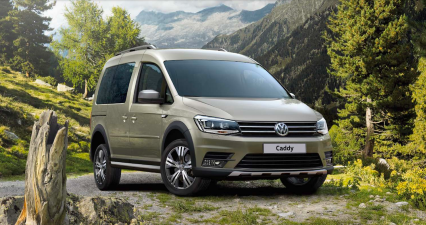
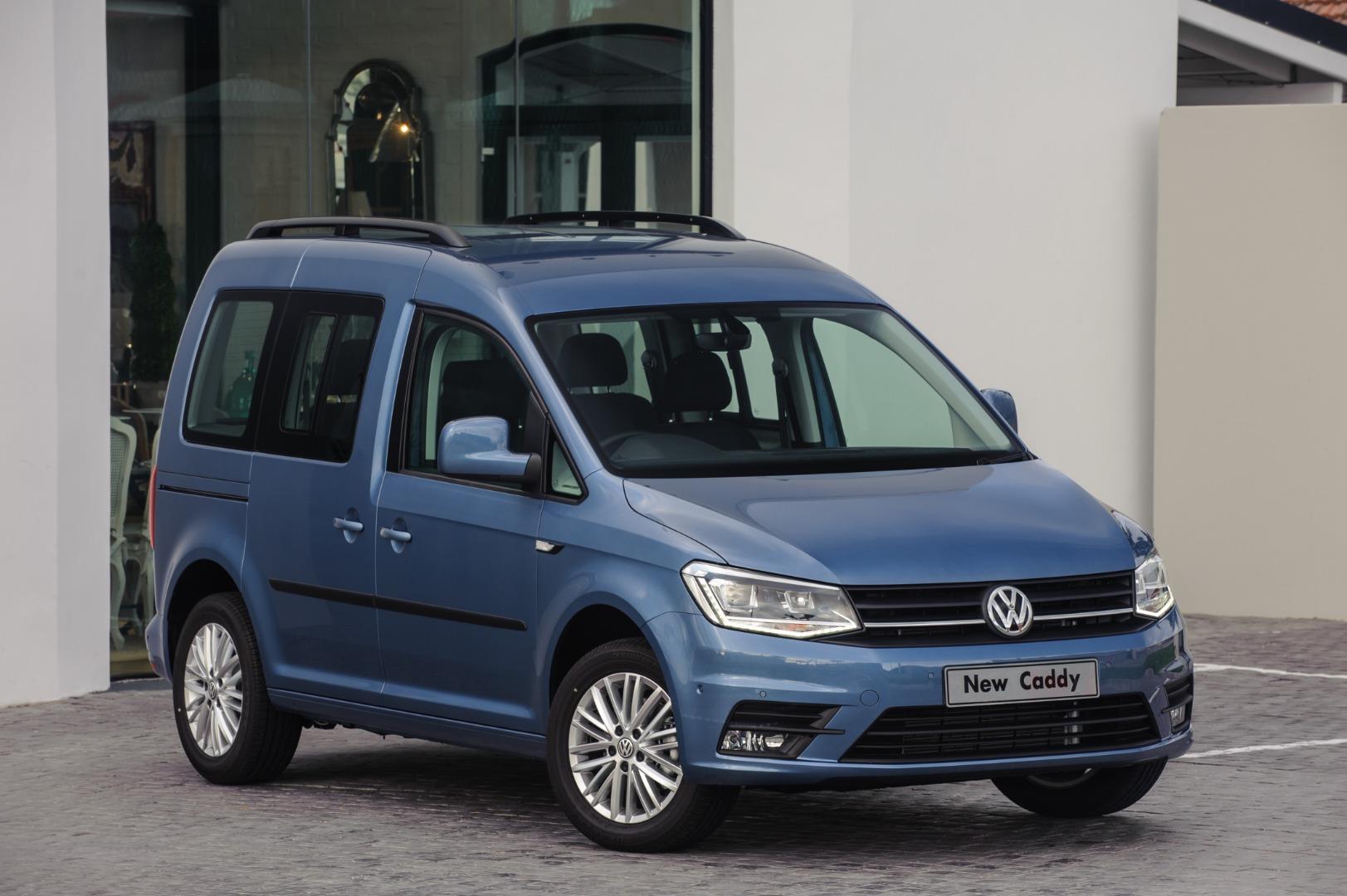
Volkswagen Caddy 1.0TSI Trendline
Engine, performance, and consumption
The latest addition to the Caddy range came in 2018 when the German marque introduced the 1.0-litre, turbocharged three-cylinder engine to the Caddy range. The motor produces a respectable 75kW and 175Nm of torque. The model is paired with a 5-speed manual gearbox that sends power and torque to the front wheels. This allows the Caddy to sip petrol at a claimed rate of 5.6 L/100km, which means a driving range of nearly 1 000km off of a tank of fuel.
Standard equipment
The Caddy, in Trendline specification, features 16-inch alloy wheels, xenon headlights, fog lights, airconditioning, a leather-wrapped multifunction steering wheel, a colour touchscreen infotainment system, front USB port, cloth seats, front electric windows/side mirrors, sliding rear doors and roof rails.
Safety
The Caddy was last tested by the Euro NCAP new car assessment programme in 2015 where it achieved a 4-Star safety rating, including 84% for adult occupant safety, 78% for child occupant safety, 58% for pedestrian safety and 68% for its safety assistance systems. The Caddy is soon to be replaced and its safety rating is no longer valid, however, with 6 airbags, traction and stability control and ABS with EBD, the Caddy should be considered safe, despite not having ISOFIX child seat anchor points.
Practicality
The Caddy has established itself as a superbly practical family MPV, offering multiple storage areas throughout the cabin, seating for five occupants and a gigantic 750-litres of boot space.
Price and value proposition
The Caddy is the most expensive product in this comparison but by an exceedingly small margin. The Volkswagen product also has strong residual values, making it appear like a stronger value proposition than its price versus specification may suggest.
The competition
Opel Combo Life 1.6TD Enjoy
The Combo Life is powered by is super frugal 1.6-litre turbodiesel engine that produces just 68kW but an impressive 230Nm of torque. The oil-burner is paired with a 5-speed manual gearbox sending power to the front wheels which allow for a claimed fuel consumption figure of 5.0L/100km, meaning 1 040km on a single tank of diesel.
The Opel is well specified, with niceties such as 16.0-inch alloy wheels, a multifunction steering wheel, front USB functionality, a 7.0-inch colour touchscreen infotainment system with Apple CarPlay and Android Auto functionality, cruise control, sliding rear doors and cloth seats, among others.
From a practicality perspective, the Opel offers less boot space than the Volkswagen but still sports 597-litres and offers seating for five with a comparable number of storage areas inside, making it extremely practical.
The Combo was tested by Euro NCAP in 2018 where it achieved a 4-Star rating, including 91% for adult occupant safety, 81% for child occupant safety, 58% for pedestrian safety and 68% for its safety assist systems.
Looking at the Opel from a value for money perspective, the Combo offers a very similar package to the Caddy from a specification, pricing and efficiency perspective.
Mahindra XUV500 2.2CRDe W8
The XUV500 may not be a panel van, but it is priced in the same bracket as both the Caddy 1.0TSI Trendline and the Combo Life 1.6TD Enjoy. It also benefits from the largest engine in this comparison, a 2.2-litre turbodiesel with 103kW and 330Nm of torque. The engine is paired with a 6-speed manual gearbox also sending power to the front wheels. It consumes diesel at a claimed rate of 6.5L/100km, allowing for a fuel range of 1 077km.
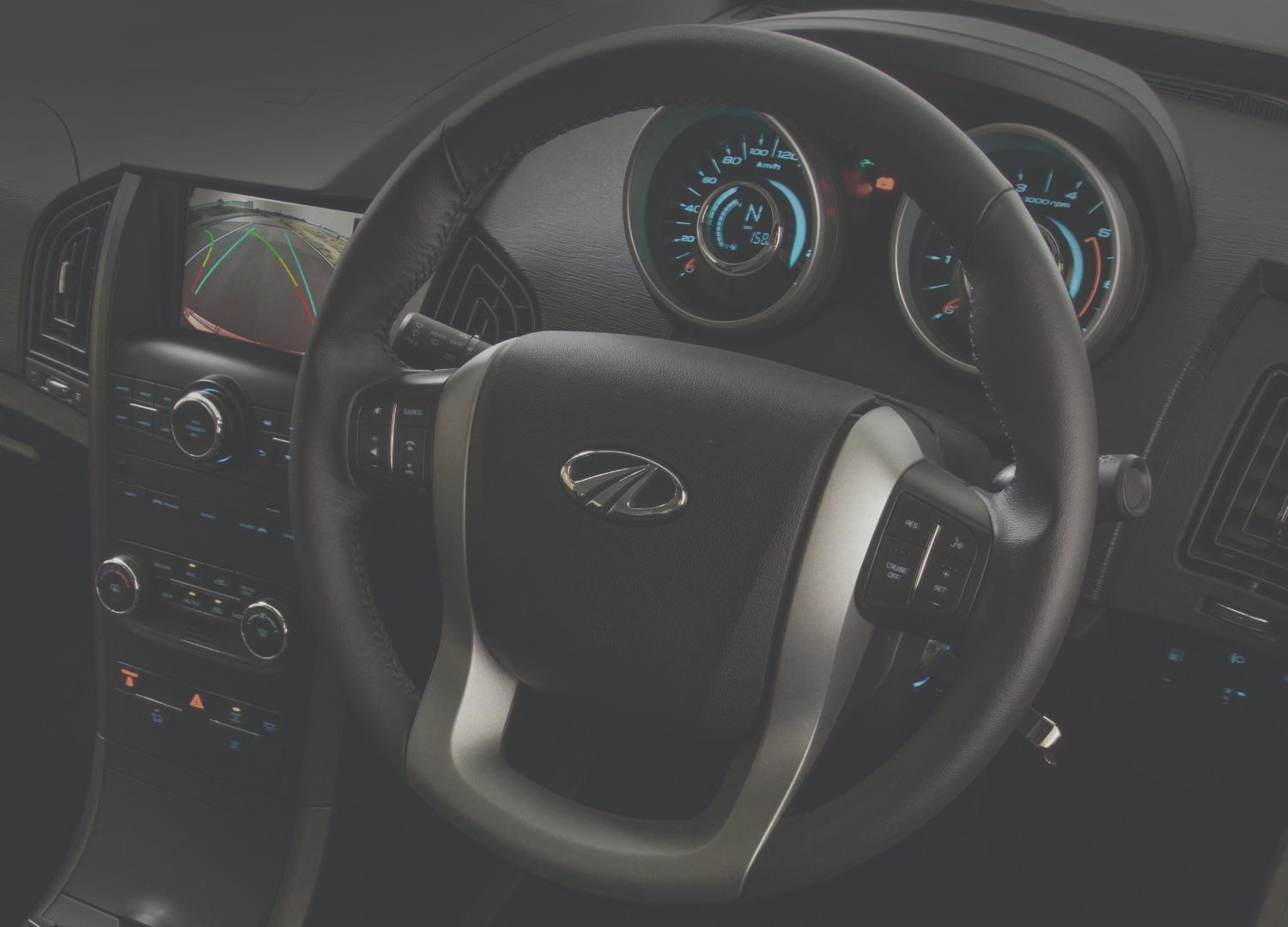
In terms of specification, the Mahindra comes with 17-inch alloy wheels, climate control, a multifunction steering wheel, cruise control, a colour touchscreen infotainment system with Bluetooth functionality, a rear-view camera, front and rear electric windows, leather seats, xenon headlights and rear Park Distance Control.
The XUV500 is the only product in this comparison to offer seven seats, however, this leaves just 93-litres of boot space, a figure which extends to 405-litres with the third row of seats folded flat.
From a safety perspective, the ANCAP safety programme tested the XUV500 in 2012 and it achieved a 4-Star rating, scoring 26 out of a possible 37 points. The product comes with 6 airbags, ABS with EBD, ESP and Hill Descent Control.
The XUV500 offers a lot of car for the money, offering the most seats, the best service plan and the best warranty of the trio
Facts and figures:
|
|
Volkswagen Caddy 1.0TSI Trendline |
Opel Combo Life 1.6TD Enjoy |
Mahindra XUV500 2.2CRDe W8 |
|
Engine size (cyl/size) |
3-cyl, 1.0-litre turbo petrol |
4-cyl, 1.6-litre turbodiesel |
4-cyl, 2.2-litre turbodiesel |
|
Power/Torque |
75 kW/175 Nm |
68 kW/230 Nm |
103 kW/330 Nm |
|
Kerb Weight |
1 473kg |
1 370 kg |
1 840 kg |
|
Service plan |
3 yr/ 60 000km |
3 yr/ 60 000km |
5 yr/100 000km |
|
Airbag count |
6 |
6 |
6 |
|
Luggage capacity |
750 litres |
597 litres |
93 litres/ 405 litres |
|
Fuel tank capacity |
55 litres |
52 litres |
70 litres |
|
Ave Consumption * |
5.6 L/100 km |
5.0 L/100 km |
6.5 L/100 km |
|
Warranty |
3 yr/120 000 km |
5 yr/120 000 |
5 yr/150 000 km |
|
Price |
R 418 900 |
R 414 900 |
R 415 999 |
* Manufacturer's claimed figures.
Pricing was all-inclusive at the time of writing but may change without prior notice.
Verdict
The figures reveal that all three of these products offer solid, practical vehicles for between R400 000 and R420 000. There can only be one winner though, and that is the Mahindra XUV500 on account of its superior service plan, warranty, fuel range, seating capacity and fuel range.