Toyota Hilux 9th-generation vs 8th-generation: The differences South African buyers need to know
Thinking of buying a Toyota Hilux? We unpack the major differences in styling, steering, and tech between the 8th-gen and new 9th-generation Toyota Hilux in South Africa. Should you buy new or pre-loved?


The transition to the ninth-generation Hilux has officially kicked off with local production starting at Toyota’s massive Prospecton plant in Durban. The Hilux is a local institution, but if you are trying to decide whether to bag a run-out deal on the outgoing eighth-generation bakkie or save up for the new model, there are some rather large differences you need to know about.
(Wondering which bakkie - Ranger or Hilux - holds its value best over 3 years? We compare the two for you.)
We have tested the 8th generation at length and have driven the brand-new 9th-generation model on a few occasions, too. Here is how they compare.
1. The design changes
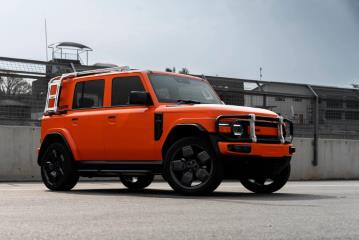
The eighth-generation: The previous model is an incredibly familiar face on our roads. It relied on sharp lines and a traditional bakkie nose that held up well over the years. Special editions like the Legend 55 gave it some extra attitude with black wheel arches and a branded sports bar.


The ninth-generation: The new bakkie gets a completely fresh look based on what Toyota calls their Cyber Sumo design. It features a much wider front grille, very slim LED headlights, and a chunky front bumper that makes it look wider and lower to the ground. Around the back, the tailgate is restyled with big, retro-style TOYOTA block letters.


2. Steering and comfort on rough roads
The eighth-generation: While the previous Hilux was famous for carrying heavy loads, it has a reputation for a bouncy, firm ride when the load bay is empty. The old steering was also hydraulic, and some reviewers reported that it felt heavy when parking and could "kick back hard in your hands when driving over rough gravel corrugations." I'd lie if I said this was bad enough to warrant a mention from any of us who tested this generation of Hilux, though. And we drove them all!

The ninth-generation: Toyota kept the tough IMV frame underneath but changed how the cabin and engine mount to the body to help absorb vibrations.
Electric power steering: The biggest mechanical upgrade is the switch to electric steering. It is now beautifully light when you are parking or driving slowly, but it firms up nicely at highway speeds.
A smoother suspension: During our launch testing on the gravel roads of central Namibia, we noticed a massive improvement in how the bakkie handles bumps. The rear suspension feels far more settled and less jittery than the old model, noted Chad, who attended the launch.

3. The cabin and technology
The eighth-generation: The older cabin was built to survive a lifetime of hard work, but it felt old-fashioned compared to its Ford Ranger archrival. The dashboard has a very basic layout, and the small 8-inch screen felt outdated compared to newer bakkies on the market.

The ninth-generation: The interior has undergone a massive transformation that feels very similar to the new Land Cruiser Prado. The dashboard has a bold, horizontal layout. If you go for the Raider model or higher, you get two massive 12.3-inch digital screens. The new screens are sharp and fast, support wireless Apple CarPlay and Android Auto, but are less compatible with CarPlay.

4. Engines and the mild-hybrid system
The eighth-generation: The old range had an engine for everyone, including petrol units, a workhorse 2.4-litre, and the popular 2.8-litre diesel. Late in its life, Toyota also introduced a 48-volt mild-hybrid system (MHEV).
The ninth-generation: For the initial launch, Toyota has kept the lineup simple. There are no petrol engines or 2.4-litre diesels available yet. Every single launch model uses the trusted 2.8-litre GD-6 turbodiesel (150 kW and 500 Nm) paired only with a six-speed automatic gearbox.
Standard mild-hybrid tech: If you buy the top-spec Legend model, the 48V mild-hybrid system is now standard equipment. (Remember, this is not a full hybrid. It cannot drive on battery power alone. Instead, it uses a small electric helper motor to make the automatic stop-start system incredibly smooth at traffic lights and give you a tiny bit of extra throttle response when pulling away.)

New Toyota Hilux 2026 - Launch pricing
The ninth-generation lineup starts with these seven automatic models:
Xtra cabs:
Toyota Hilux 2.8GD-6 Raider X 4x2 — R751,800
Toyota Hilux 2.8GD-6 Raider X 4x4 — R842,200
Double cabs:
Toyota Hilux 2.8GD-6 SRX 4x2 — R658,500
Toyota Hilux 2.8GD-6 SRX 4x4 — R746,100
Toyota Hilux 2.8GD-6 Raider 4x4 — R892,900
Toyota Hilux 2.8GD-6 Legend MHEV 4x2 — R945,500
Toyota Hilux 2.8GD-6 Legend MHEV 4x4 — R999,900
Note: Toyota has confirmed that single-cab models and manual versions will arrive later in the year.
Read our expert launch reports and reviews
We have covered every single detail of this new bakkie, as well as the previous generation. To get our full, in-depth driving impressions, check out these articles:
The local reveal: Read our first driving impressions from the local launch track in New Hilux driven at Toyota Matsuri.
The off-road test: Read Chad's launch review in the desert in The New 9th-generation Toyota Hilux - First Drive Impression in Namibia.
The 8th-gen reviews: If you are shopping the pre-owned market or looking for run-out stock, read our Toyota Hilux Legend 55 First Drive Review or our long-term road trip test in our Toyota Hilux Legend 55 Review. Or, simply click here to find all our Hilux reviews in one place.