Top 3 things you need to know about the Hyundai H-1
Whether you are considering a panel van for your business or a people carrier for your family, the Hyundai H-1 is available in both body styles. We take a look at the other top three things you need to know about the Hyundai H-1.


Introduced in 2009, the Hyundai H-1 has become a leader within the people-mover segment. It is used within private and corporate settings providing reliable and comfortable transportation. In 2019 the H-1 received a rather substantial upgrade which saw a new face and interior design. It also saw the addition of an extra row of seats, increasing the capacity to 12. Here are our top three things you need to know about the Hyundai H-1.
But remember, if you are looking to sell your car quickly and easily, you can do so with our Instant Offer tool here. Then you can start your search for used Hyundai H-1 models on AutoTrader here or for new or used Hyundai Staria models on AutoTrader here, which of course, is the successor to the H-1.
Related: Which Hyundai H-1 is better: diesel or petrol?

Play and work
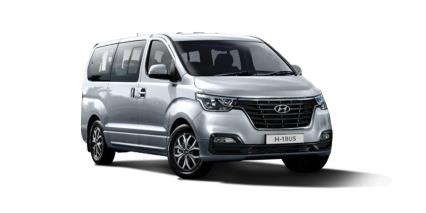
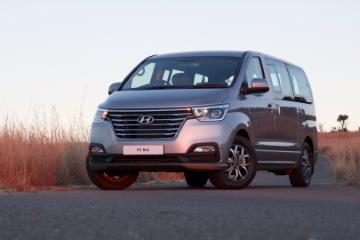
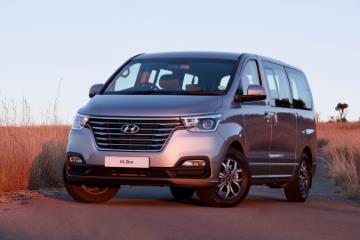
The Hyundai H-1 is offered in a passenger body style which sees a focus on luxury both in and out. A new chrome grille features as do new projection-style headlights which illuminate the road more effectively than before. This model also features a large touch-screen infotainment system, Bluetooth connectivity for the infotainment sound system with multifunction controls on the steering wheel.
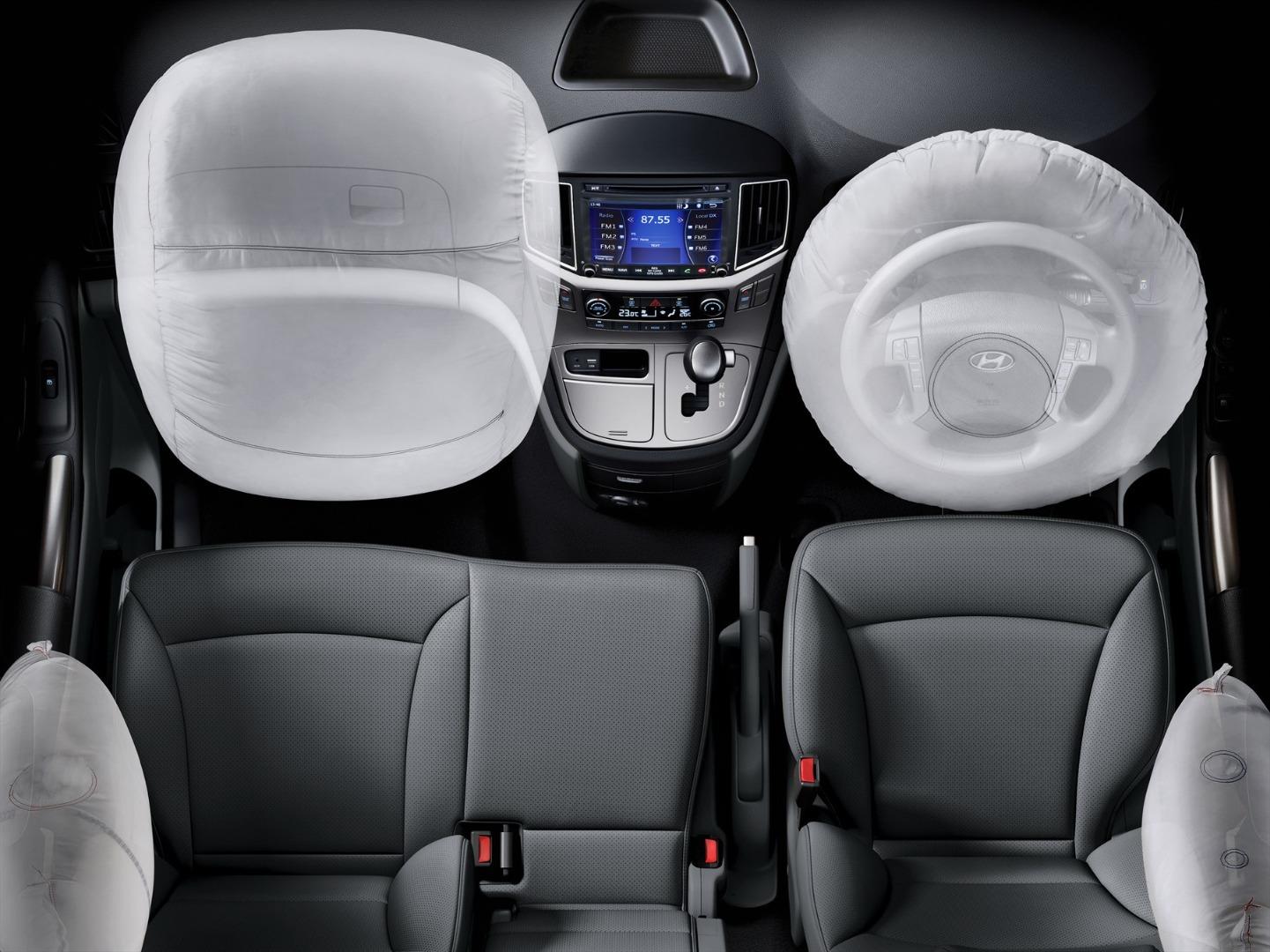
The interior is further bolstered with a glove box cooling system, front and side airbags for the driver and front passenger and a rear camera for parking assistance, with a display in the rear-view mirror. For those who need something less flashy to tackle the tough jobs then the Hyundai H-1 is also available as a panel van.
The light commercial vehicle derivative can be optioned with many of the accessories offered on the passenger model. These items include a towbar, left and right sliding doors, rear park assist system, a bull bar, and a roof basket. This is over and above the standard items including an air conditioner system, front electric windows with auto-down, hydraulic power-assisted steering and a height-adjustable steering column.

Practicality
Being a large bus the Hyundai H-1 prides itself on practicality. The passenger model can now, as mentioned earlier, transport 12 occupants in relative comfort. The “3-3-3-3” seating configuration of the new H-1 derivative means it now has three rows in the rear of which two, like between the driver and front passenger, feature a narrower middle seat that can fold up to allow passengers to reach the newly added 4th seating bench at the back.
The rear bench can be moved forward to increase the luggage area when that row of seats is not needed. But if space is what you need, the LCV model has ditched the rear seats in favour of a massive 4426-litre load bay. But don’t think just because the back seats have been removed that passengers are not welcome, far from it.
In fact, the front of the Hyundai H1 van has the same 3-seater configuration as the H1 family bus. And unlike many other LCV models, the front bench can move to free up even more legroom when needed. The H-1 also boasts a towing capacity of 1 500kg.

Power units
Customers have a choice of two engines when it comes to the Hyundai H-1. One option is a naturally aspirated 2.4-litre, 4-cylinder petrol unit that develops 125 kW and 224 Nm, however, it is the 2.5-litre, turbocharged, 4-cylinder diesel that you want. This motor develops 125 kW and 441 Nm of torque, which means that you won't struggle uphill with heavy goods because of that impressive torque figure.
The diesel also consumes around 9.7 L / 100 km compared to about 10.2 L / 100 km consumed by the petrol model. Be it for private use, corporate or commercial use, the Hyundai H-1 should be on your list. Browse for used Hyundai H-1 vehicles here.
Recommended next:
Hyundai H-1 test drive: make sure to check these features out
Hyundai H-1 vs Volkswagen Kombi vs Ford Tourneo Custom: Which one has the lowest running costs?