The most popular bakkies in SA: Which should you buy?
The South African bakkie market in 2026 is currently defined by a massive generational shift among the legacy brands and an aggressive influx of new competitors from Asia. These are the makes and models that you should be looking at.


In South Africa, the bakkie isn't just a vehicle; it’s a lifestyle, a tool, and a status symbol. 2026 is a record year for brand diversity in the market segment. If you aren't buying from the traditional brands, you will be seriously considering a new market entrant.
Related: SA's Top 10 Bakkie Ranking
As of March 2026, the market continues shifting. While the big three still dominate, rising costs have opened the door for high-value challengers from India and China, as well as a few marques you might not expect.
Chery KP31 to be SA's first plug-in hybrid diesel bakkie

The sales leaders
According to the latest Naamsa (National Association of Automobile Manufacturers of South Africa) data, the hierarchy remains stable at the top, but the best of the rest is seeing a massive surge.
| Rank | Model | Units sold (Feb '26) | Key appeal |
| 1 | Toyota Hilux | 3 362 | Unmatched resale value & reliability. |
| 2 | Ford Ranger | 2 091 | Tech-heavy, lifestyle-oriented comfort. |
| 3 | Isuzu D-Max | 1 951 | Rugged durability & fleet favourite. |
| 4 | Mahindra Pik Up | 1 003 | The Value King cracked 1 000 units this year. |
| 5 | GWM P-Series | 559 | Luxury features at a mid-range price. |

Which one should you buy?
Your choice depends entirely on your mission profile. Here’s how they stack up in the 2026 landscape:
The Workhorse: Toyota Hilux
Best for: Business owners, farmers, and long-term owners.
Why: The Hilux wins on after-sales support and resale value. Even with the 9th-generation model rolling out, the 2.8 GD-6 engine remains the gold standard for reliability.
Starting Price: R365 300 (Single Cab).
The Lifestyle Choice: Ford Ranger
Best for: Families and urban adventurers.
Why: The Ranger feels more like a luxury SUV inside than a truck. With its large vertical touchscreen and smooth 10-speed gearbox, it’s the best daily driver.
Note: Watch out for the new 2.2-litre turbopetrol engine option introduced in 2026 for those moving away from diesel.
The rugged alternative: Isuzu D-Max
Best for: Harsh conditions and heavy towing.
Why: Isuzu fans swear by the true bakkie-like feel. The recent X-Rider Black editions offer a stealthy look without the premium price of a top-tier Hilux or Ranger.
The value disruptor: Mahindra Pik Up
Best for: Those on a budget who still need a 4x4.
Why: You can get a brand-new, fully capable 4x4 double cab for the price of a mid-spec used Hilux. It’s no longer just a "budget" choice; it's a proven survivor on SA roads.
The high-performance: BYD Shark 6
Best for: Early adopters and speed enthusiasts.
Why: Launched in 2025, this Plug-in Hybrid (PHEV) is now the most powerful bakkie in SA, pumping out 321 kW. It hits 0–100 km/h in under 6 seconds, faster than some hot hatchbacks!

Emerging trends to watch
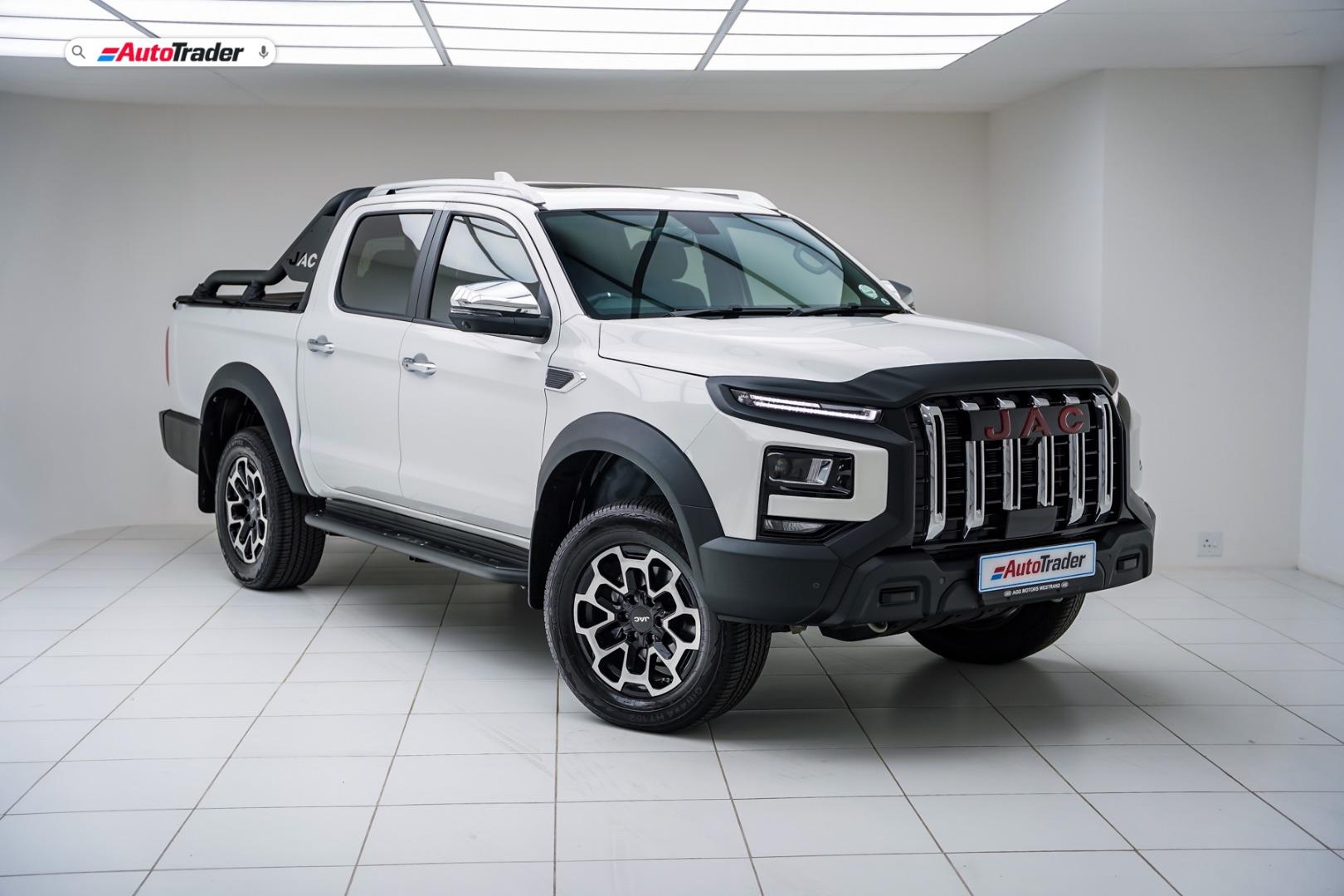
The half-tonne void: Since the Nissan NP200 was discontinued, the market has been starved for small bakkies. Buyers are moving toward the JAC T-Series or Foton Tunland to fill the gap.
- New blood: Kia’s first proper ladder-frame bakkie, the Tasman, is coming to SA, offering a 2.2-litre diesel and a 2.5-litre turbo petrol. It’s aiming directly at the lifestyle market with a high-tech interior and a bold, polarising design.
- Chery Himla (KP11): Joining the fray with a 2.3L turbodiesel, Chery is leveraging its massive SUV success to steal market share from the GWM P-Series
- American Chinese: LDVs Terron 9 and Foton's Tunland V9 now offer more bakkie for less money, with American styling and Chinese-engineered build quality.
Hybrid power: The 2026 JAC T9 PHEV and GWM P500 HEV are making a fuel-efficient bakkie a reality rather than an oxymoron.