
Suzuki S-Presso vs Hyundai Atos vs Mahindra KUV100: which one gives the best value for money?
Using interior space, gadgets, performance, thirst, safety and warranty cover as criteria, we help you choose between the Hyundai Atos 1.1 Motion (R162 900), the Mahindra KUV100 Nxt 1.2 G80 K2+ (R148 999) and the Suzuki S-Presso 1.0 GL+ (R139 900).


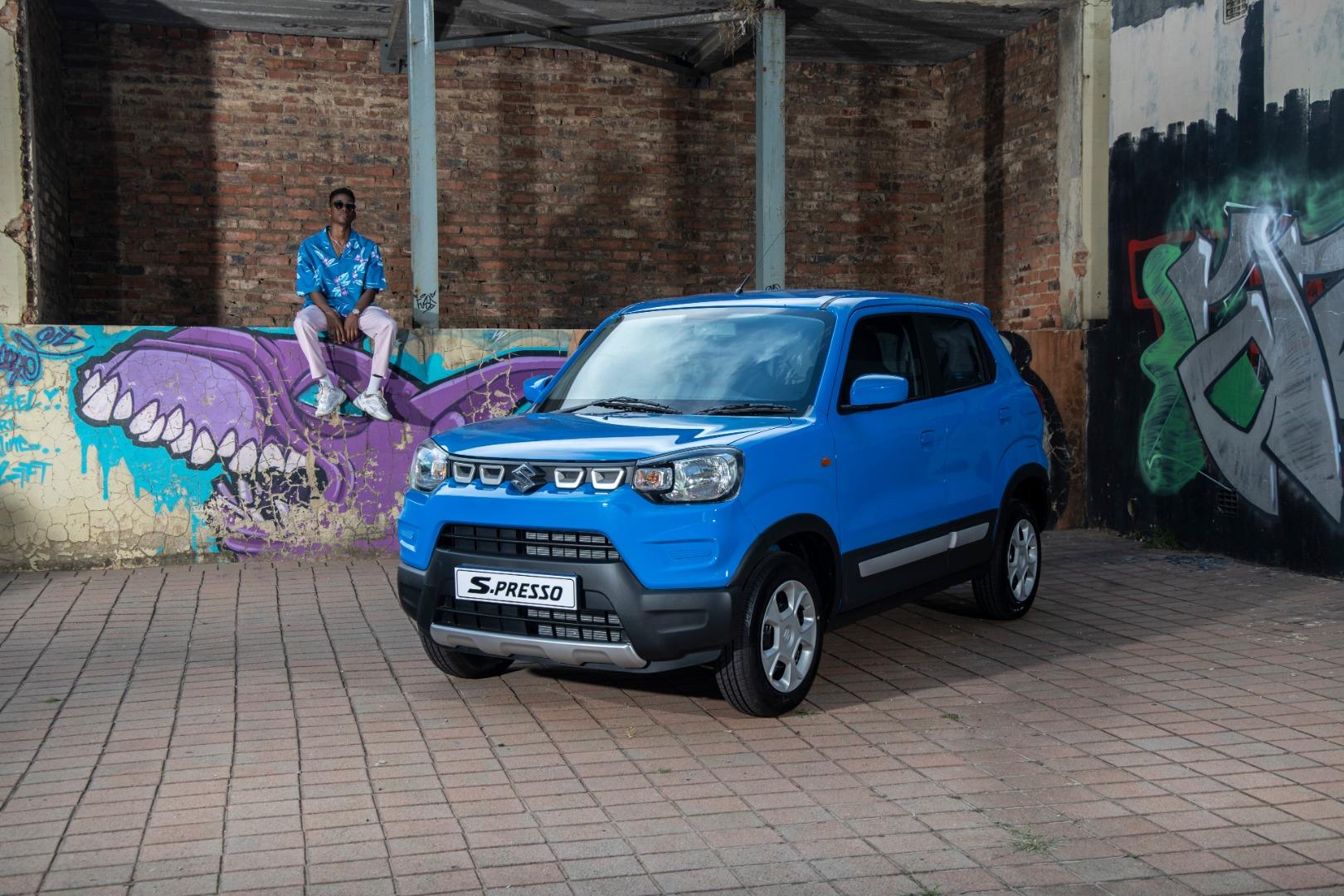
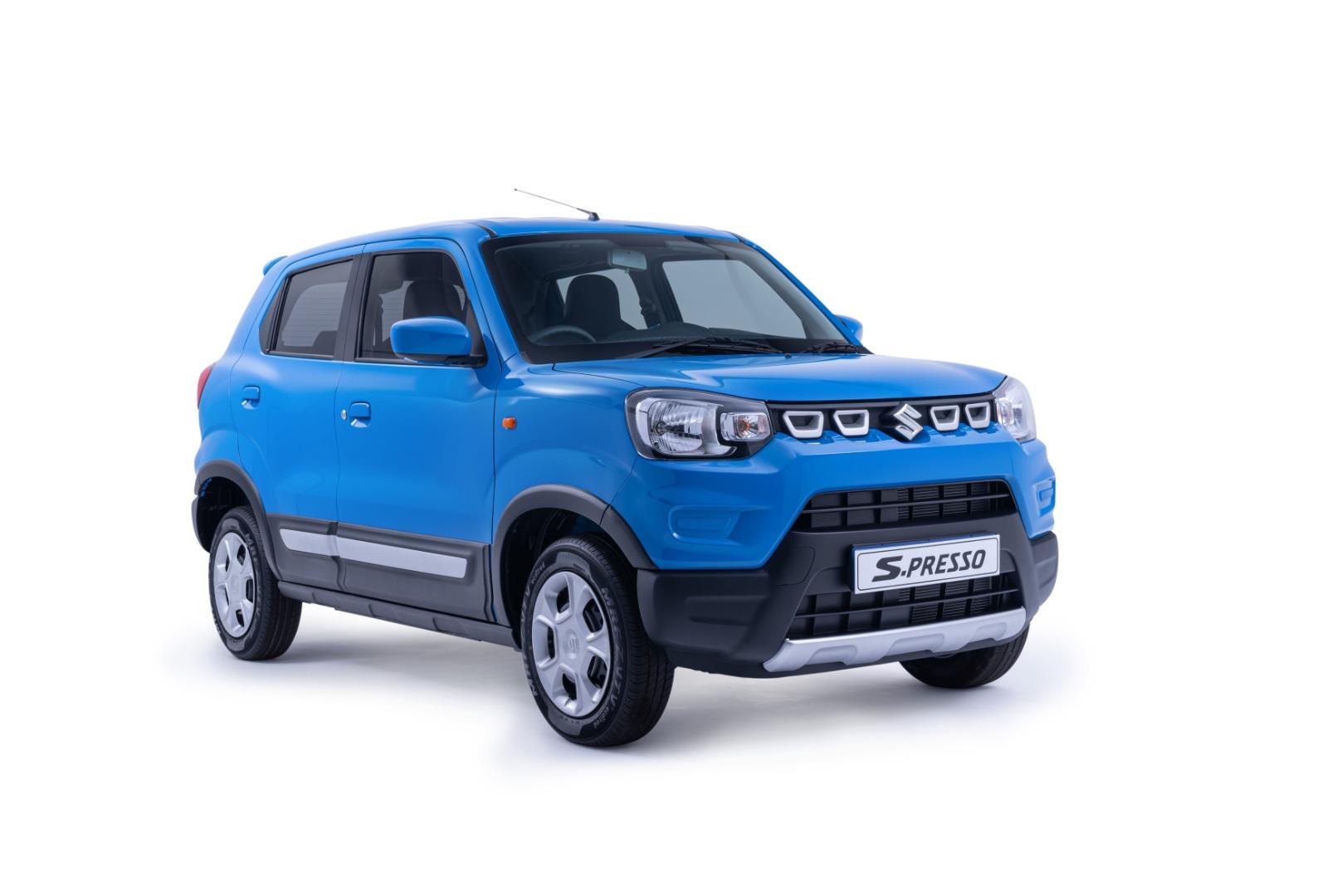
Entry-level cars are increasing in price, but thankfully they are improving in quality and capability too. Twenty years ago, it was almost unthinkable for a “starter-pack” car to have ABS brakes and airbags. Here we pit the new Hyundai Atos, the new-new Suzuki S-Presso and the Mahindra KUV100 against each other, to see which one makes the strongest value proposition. Each one has ABS, airbags and much more.
The three contestants
Prospective buyers have a number of variants to choose from in each model range represented here, except for the Hyundai, which is only available as the Atos 1.1 Motion, at R162 900. The Mahindra KUV100 Nxt 1.2 G80 K2+ is one up from the most basic version, selling for R148 999. At the amazing price of just R139 900, you can buy the Suzuki S-Presso 1.0 GL+, also one up from the base model. There are S-Pressos priced closer to the Atos and KUV100, but they mostly add cosmetic embellishments that you can do without. We’ve used the six criteria below to compare the three contestants.
Related: How much are monthly car repayments on a new Suzuki S-Presso?
Safety features
The absolute basic safety features, that no new car should be without, are an anti-lock braking system (ABS) and two frontal airbags. All three of these cars have this safety combo. In addition to these features, the ABS in all three has electronic brake-force distribution, which ensures effective braking on variable surfaces.
Gadgets
For most young drivers, Bluetooth streaming is more important than safety features. Luckily, entry level cars have both, these days!
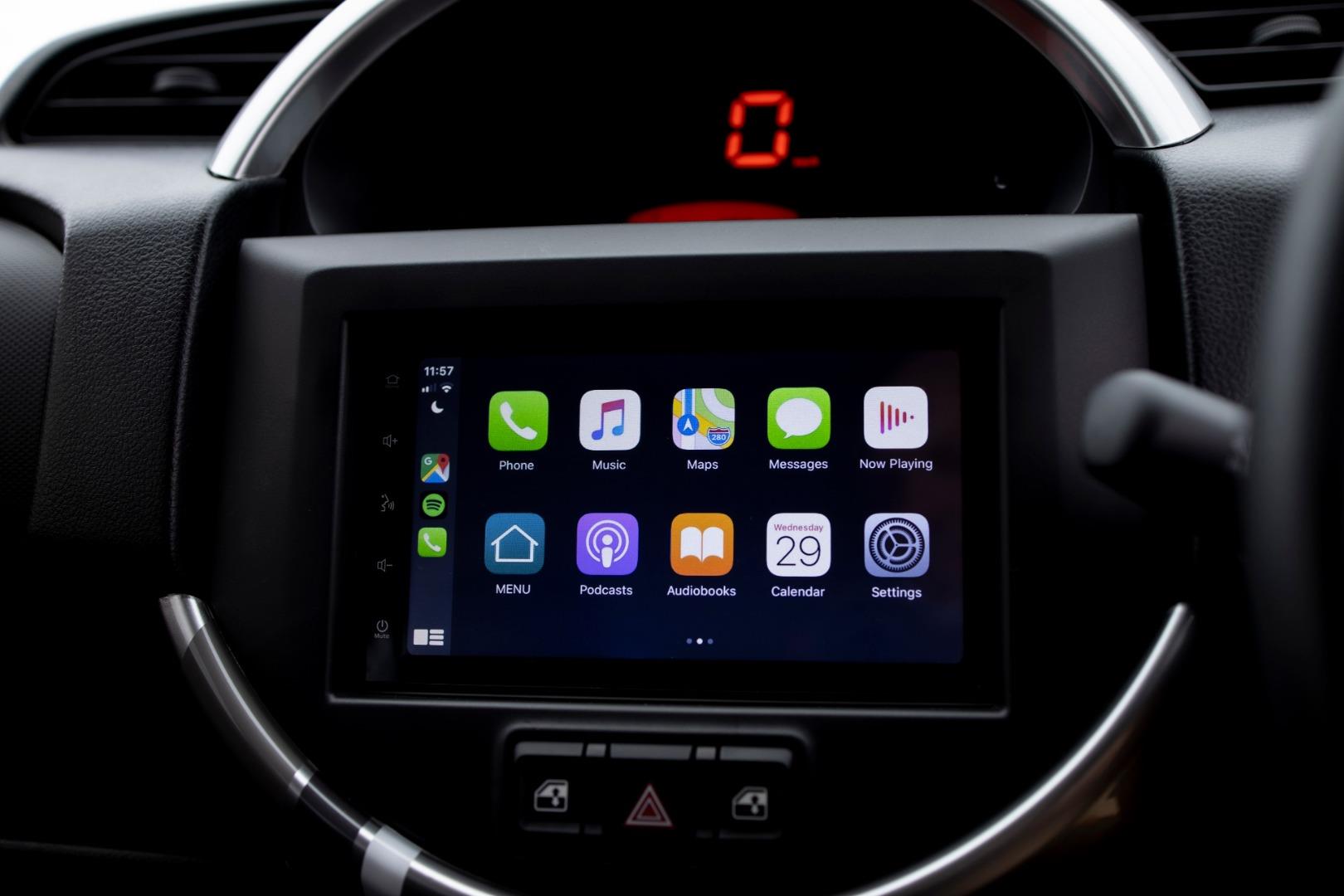
The Hyundai Atos has a touch-screen infotainment system with Bluetooth and even includes steering-mounted controls. The Suzuki Espresso GL+ has the same digital set-up as the Atos, but no control buttons on the helm. The Mahindra misses out on the brilliant touch-screen system of its pricier brothers, and gets basic Pioneer sound.
All three cars have air-con, but their steering wheels are non-adjustable. The front windows in the Hyundai and Suzuki are electrically operated, while the Mahindra’s windows all require elbow power.
Related: Renault Kwid vs. Suzuki S-Presso: Which is the best value?
Interior space
The S-Presso is a marvel of automotive packaging. At 239 litres the boot is relatively large, and then Suzuki still managed to include a full-size spare. There’s also space for four medium-to-tall adults and a child.
Not using the SUV design of the Suzuki and Mahindra, but that of a hatchback, the Atos doesn’t seem as spacious. Yet it is, and it offers more headroom for the driver than the Suzuki. At 235 litres, its boot size virtually matches that of the Suzuki.
The KUV100 has nifty underfloor and under-seat storage, while the boot offers 243 litres of packing space.
The Mahindra also has a full-size spare (185/65 R14), while the Hyundai’s spare is one size smaller than its other wheels.
Power and performance
The engine line-up of these cars is a real peanut gallery. The Suzuki’s engine is a 998 cc, the Hyundai’s is a 1086 cc, and the Mahindra’s engine displaces 1198 cc. More simply: it’s a 1 litre, a 1.1 litre and a 1.2 litre. Let’s look at engine output (power / torque) in the same order: 50 kW / 90 Nm from the S-Presso, 50 kW / 99 Nm from the Atos and 61 kW / 115 Nm from the KUV100. The Hyundai’s engine has four cylinders, while the other two have three-cylinder engines.
The S-Presso’s output is modest, but it weighs less than a kite, so it feels nippy in traffic. The Atos is light too, and its engine revs with great enthusiasm. It’s certainly the sportiest of the three. The KUV100 just gets on with the job.
Related: Fiat Panda vs Suzuki Ignis vs Mahindra KUV100: here’s our winner.
Fuel consumption
The S-Presso has the legendary fuel-efficiency of small Suzuki engines and the typical low mass of Suzuki cars on its side. The manufacturer claims average consumption of 4.9 l/100km. The Hyundai only weighs 115 kg more than the Suzuki’s feather-weight 750 kg, with a similar consumption advantage. Hyundai’s official figure is 5.7 l/100km. Relatively speaking, the KUV100 is the porker of the bunch, tipping the scales at 1 190 kg. But seriously, this is hardly obese. The car’s official fuel consumption rate of 5.9 l/100km shows that adding lightness aids consumption and performance, to paraphrase the late Colin Chapman, founder of Lotus.
Warranty and services
The Atos benefits from Hyundai’s class-leading warranty of 7 years / 200 000 km for the engine and gearbox, and 5 years / 150 000 km for other components (terms and conditions apply). Hyundai pays for the first service and the car has to undergo this procedure every 15 000 km or annually.
The S-Presso’s warranty covers it for three years or 100 000 km. Like the Atos, it requires servicing every 15 000 km or once a year. Suzuki pays for service one and two. The KUV100’s warranty cover falls between those of the other two, with a duration of 5 years / 150 000 km for the drivetrain and 3 years / 100 000 km for the rest. Again, note that terms and conditions apply to all warranties. Mahindra does not supply a service- or maintenance plan with the KUV100 1.2 G80 K2+, but it is available at purchase. The other (mild) disappointment is 10 000 km service intervals.
And the winner is
The Suzuki takes this one, with its astonishing value proposition at a sales price under R140k. The Hyundai comes second, because of its rewarding and superior driving character in this class. The Mahindra is third, because it omits some features and offers a service plan as a cost option.
Recommended next:
New Suzuki S-Presso will set the cat amongst the sales pigeons