



Suzuki’s launching of its new S-Presso towards the end of March could prove to be a masterstroke in terms of the company gaining a significant slice of the new-car market.
In the past few years there have been two distinct trends in car-buying habits. Low-cost entry-level hatchbacks have been garnering an every-increasing slice of the new car pie, while further up the sticker-price scale, cross over and small SUVs have been where the heavy action is at.
By combining the appeal of a small cross over with an entry-level spec, the new S-Presso is set to do great things for Suzuki’s market share, which has been making steady gains here and regularly setting monthly sales records for over a year now.
The S-Presso undercuts its opposition by close to R15 000!
The big news regarding the S-Presso is that it has lowered the entry-price to new-car ownership by a huge chunk. When the S-Presso arrived in dealerships in the last week of March, the entry-level GL model cost just R134 900.
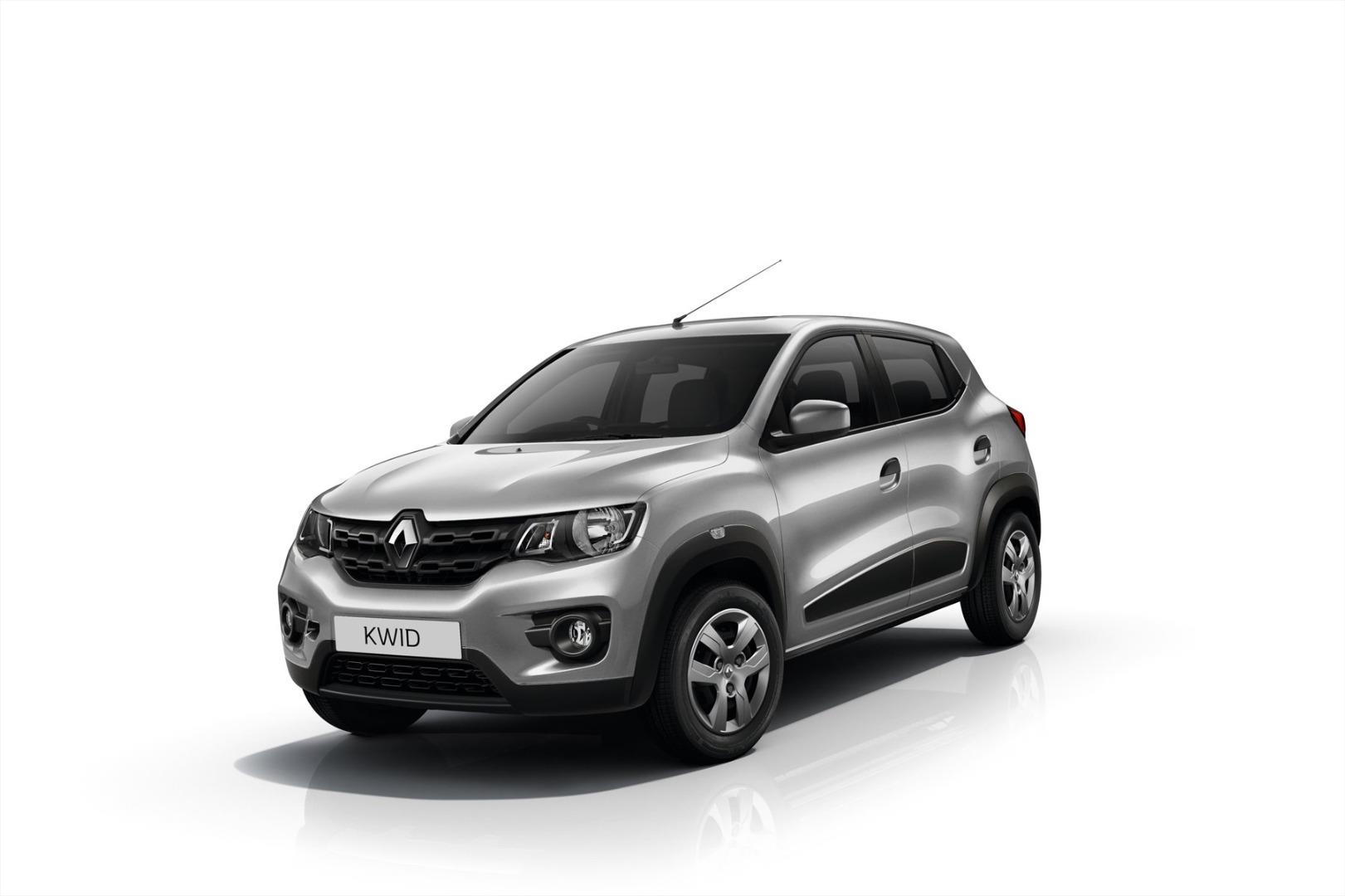
That entry price lowered the boom on Renault’s Kwid, which until this point had been the cheapest new car with the entry Expression model. Even worse, from Renault’s point of view, was that the Kwid Expression had just been lumbered with a not insubstantial price increase. Between February and March, the asking price went up from R144 900 to R150 900.
This means that the entry-level S-Presso enjoys a R16 000 price advantage to the car that has been confounding the critics with sales in the region of 1 000 units a month for the past year!
The Kwid set the tone for mini-SUV look-alikes
The Renault Kwid has sold exceptionally for a number of reasons, despite being criticised for various dynamic shortcomings by the motoring media. Renault has strongly emphasised the fact the Kwid comes with one-years’ free insurance as part of the asking price. Renault also offers very convenient financing schemes for first-time buyers. But a factor that has been overlooked by some is that, up until recently, not too much emphasis has been placed on the fact that the Kwid looks like a scaled down SUV.
Suzuki is not alone in hopping on the mini-SUV bandwagon
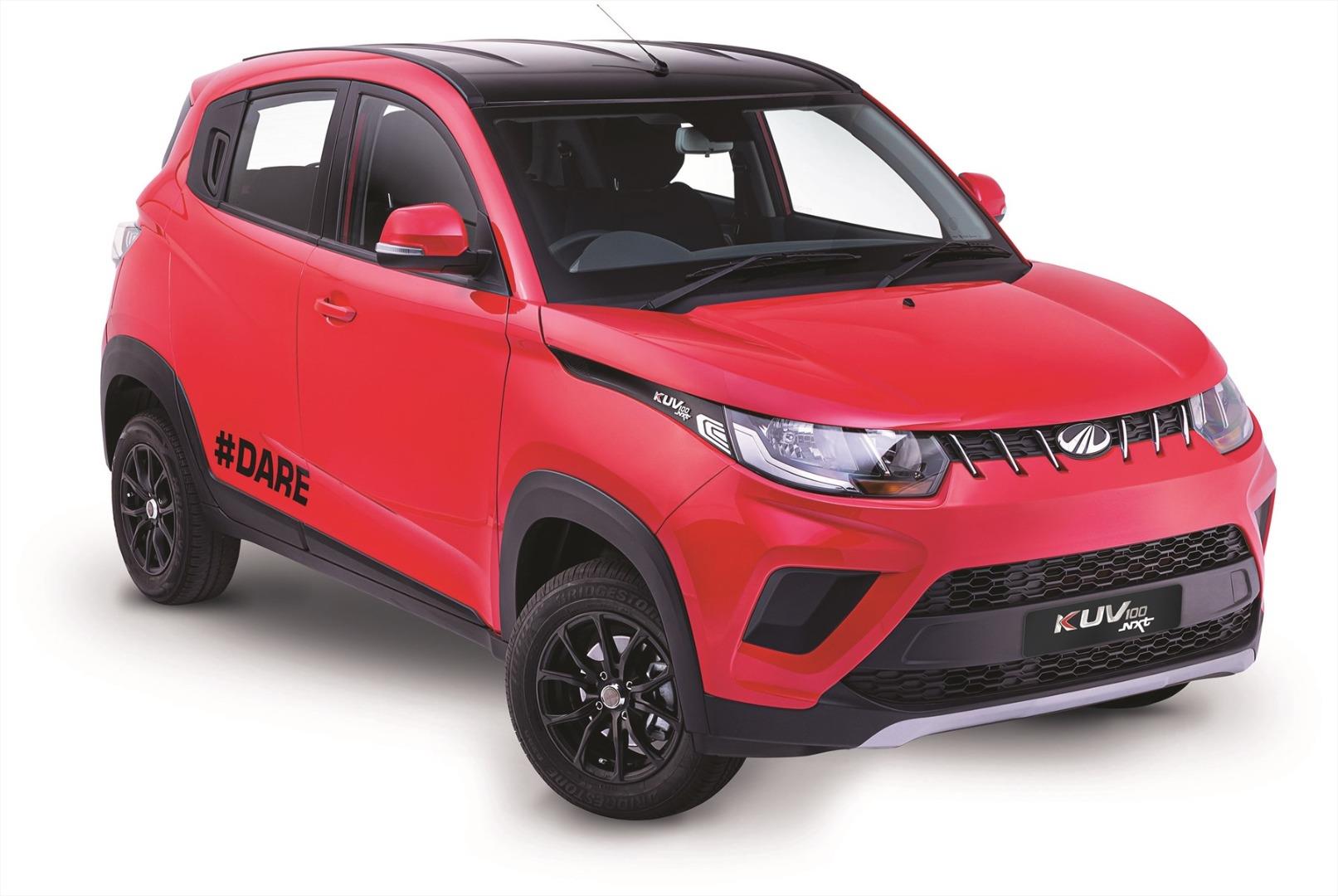
There have been other manufacturers that have reacted to the Kwid’s success. One of them is Mahindra, which launched the very chunky-looking revised KUV 100 as a low-priced cross over in October 2018. Pricing is also ultra-competitive, with the cheapest model selling for R148 999 (which currently makes it the second-cheapest car in South Africa) and in February 2020, Mahindra reported sales of 173 units for the KUV 100 range. Those aren’t huge numbers by any means, but considering that Mahindra’s dealer network is tiny by comparison to Renault’s (and other major players), this indicates that the KUV 100 has struck a very resounding chord!
VW Polo continues to dominate overall
Of course, when it comes to overall market trends, no manufacturer can match Volkswagen in the passenger sales race. In February, where sales had been surprisingly resilient on the new-car front, Volkswagen moved a total of 2 417 Polo Vivos and 2 120 of the more-expensive Polo models. This a trend that has been in place for the past decade, and indicates that South Africans still value a car with a high-quality build, if it is priced correctly. Polo Vivo prices currently start at just over R200 000, while the more-sophisticated Polo’s entry price is R254 000.
Other notable sales performers
There are some other perennial strong performers that deserve mention. One of these is Ford’s Ecosport, a stylish cross over that has been around for over five years now, but continues to sell at the rate of some 1 000 units a month. Ford’s Figo, a hatch priced towards the entry-level end of the market in its cheapest rendition, sold an impressive 1 068 units in February, while other strong performers included Toyota’s Corolla Quest with 884 sales. This car bucks a trend that has seen interest move away from sedans of late, and another of these mainstay sedans is Nissan’s ageing Almera, which shone in February, with its 426 sales making it Nissan’s top passenger model for the month.
Another vehicle which continues to defy the experts is Toyota’s Fortuner. It has been SA’s top-selling SUV for many years, and it achieved this position again comfortably in February with sales of 975.
Pick-ups continue to perform well
Nissan’s other strong seller has been the Nissan NP200 three-quarter-ton bakkie. Sales were restricted to 1 167 in February due to production schedules, but this little bakkie, which has the entry-level bakkie market all to itself, has topped the 2 000 monthly mark on occasion in the past year.
Hilux remains SA’s top-selling vehicle
In terms of the one-ton pick-up sales race, Toyota has re-established its dominance here in no uncertain terms, after a strong challenge a few years ago from Ford’s Ranger. In February the Hilux range sold to the tune of 2 895 units, making it once again South Africa’s top selling vehicle. Ranger, by contrast, sold 1 878, still an impressive figure, but now challenged somewhat by Isuzu with its D-Max range, which logged 1 333 sales.
*It should be noted that this sales analysis is based on February figures, as detailed March 2020 sales figures were not forthcoming from NAAMSA, the National Association of Automobile Manufacturers of South Africa.
Recommended next:
Suzuki S-Presso launches in SA