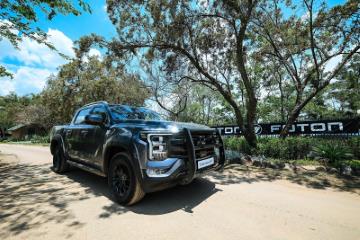
The mid-size SUV market in South Africa is massive, with just over 41 different models available to choose from. Some are popular choices, while others are left-field options that rarely come up in conversation.
Related: Subaru launches new 2025 Forester in South Africa
Vehicles like the Subaru Forester, as well as newcomers such as the MG HS and BYD Sealion, are competing for attention in a bustling segment. If you are looking for something special that stands out, you can't go wrong with any of these models, but how do they compare to one another?
Mitsubishi Outlander vs Toyota RAV4 vs Subaru Forester: Here's our winner
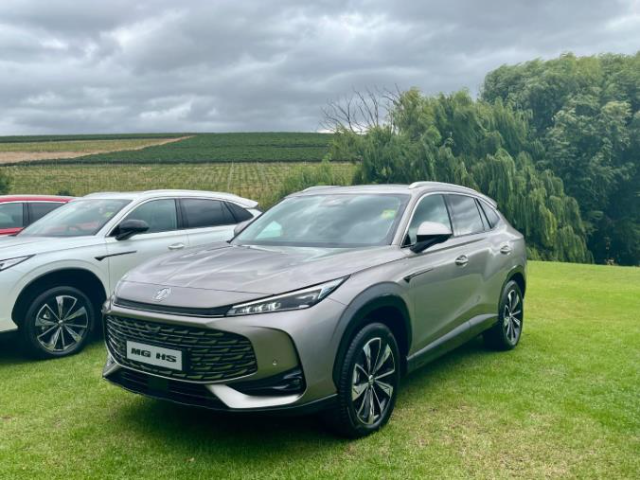
Fuel/Energy Consumption
The most significant difference will be in energy consumption, due to the different technologies.
| Vehicle | Technology | Claimed Fuel Consumption (Average) | Potential for Savings |
| BYD Sealion 6 | Plug-in Hybrid (PHEV) | As low as 4.8 L/100km (Combined) | Can run on pure electricity for daily commutes (approx. 70-80 km electric range), dramatically reducing petrol use. |
| Subaru Forester | Petrol | Generally ranges from 6.7 L/100km to 8.1 L/100km (depending on model/generation) | Runs on petrol only. Consumption is respectable for an AWD vehicle, but higher than the others. |
| MG HS | Petrol | Generally ranges from 7.3 L/100km to 8.3 L/100km (depending on model) | Runs on petrol only. Consumption is typical for a mid-size petrol SUV. |
Lowest Running Cost Winner
BYD Sealion 6.
If your daily commute is within its electric-only range and you charge at home, your fuel bill will be minimal. Even in hybrid mode, its combined fuel consumption is significantly lower than that of pure petrol vehicles.
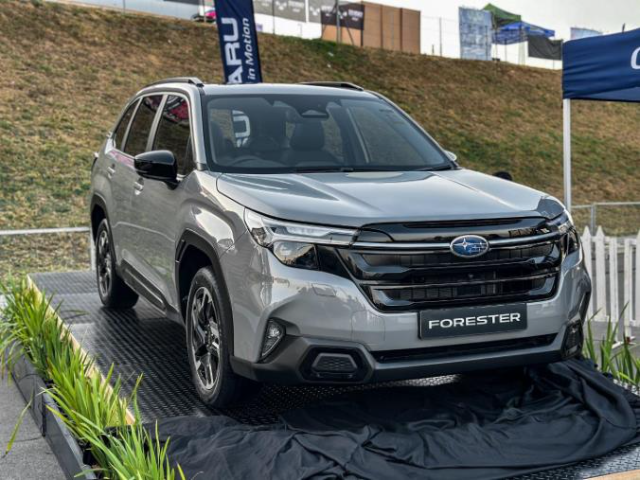
Maintenance and Service Costs
Maintenance is the second major factor, and here the included plans play a crucial role
| Vehicle | Typical Service Plan (SA) | Notes on Complexity |
| BYD Sealion 6 | 5-year/100 000 km maintenance plan (Included in purchase price) | The PHEV drivetrain is more complex, but the comprehensive maintenance plan (which often covers wear-and-tear items) is a massive cost absorber for the first 5 years. |
| MG HS | Often includes a 5-year/100 000 km service plan | A standard petrol engine, so parts and labour costs after the plan expires should be competitive. |
| Subaru Forester | Typically includes a 3-year/75 000 km or similar plan | Subaru's horizontally opposed "Boxer" engine can sometimes have higher, specialised labour costs for specific maintenance tasks than traditional inline engines, though reliability is generally excellent. |
Lowest Running Cost Winner
BYD Sealion 6
The 5-year/100 000 km Maintenance Plan, which is more comprehensive than a standard service plan and includes wear-and-tear items such as brake pads, is the strongest offering and eliminates most unforeseen maintenance costs during this period.

Depreciation and Resale Value
While not a running cost per se, depreciation is the single most significant cost of ownership.
The Subaru Forester traditionally holds its value relatively well due to its reputation for reliability and all-wheel-drive capability.
The MG HS and BYD Sealion 6 are newer brands in South Africa, and while they offer excellent initial value, their long-term resale value is less specific compared to established brands. However, the Sealion 6's advanced PHEV technology might help it retain value as the market shifts towards electrification.
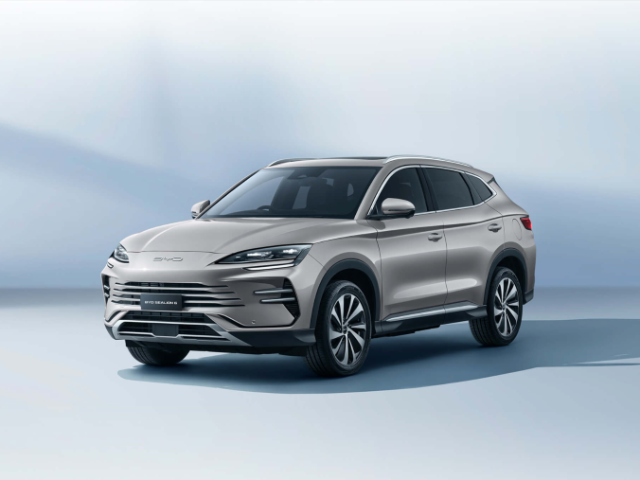
Verdict
The BYD Sealion 6 is the clear winner in terms of the lowest running costs in South Africa, particularly during the first five years of ownership.
Fuel/Energy: Its PHEV system allows for extremely low, potentially zero, petrol consumption for daily driving when charged regularly.
Maintenance: The generous 5-year/100 000 km Maintenance Plan absorbs all major scheduled service and wear-and-tear costs for the initial ownership period.
If you cannot reliably charge the Sealion 6, its petrol consumption would increase, making the advantage less significant, but it would still likely edge out the pure-petrol SUVs due to the comprehensive maintenance plan.