
Consumer study reports provide a wealth of information about customer experiences with different types of brands. In large markets like Europe and North America, this serves as a yardstick to determine whether a particular brand has a decent track record of reliability, and it also indicates if there are common faults that owners report.
Some of the big names in the game, like J.D. Power and Consumer Reports, are to name a few. A recent study by Consumer Reports revealed some interesting results regarding which cars were the most reliable in 2024 and into 2025. WardsAuto was also involved. This study was conducted in North America; however, in South Africa, we share many of the vehicles mentioned in the survey.
How was the study conducted?
Consumer Reports' reliability scoring methodology includes asking its members about any problems they've had with their vehicles in the previous 12 months. The data set they've used comprises 380,000 cars from model years 2000-2025, with some 2026-dated models included since they were released early enough to be included.
The experts critically analyse 20 specific problem areas. The size of the issues doesn't matter; they range from minor problems, such as trim pieces and infotainment system bugs, to major issues like catastrophic drivetrain failure and, in today's age, electric vehicle problems. The grading also considers the impact on the driver and how it affects their ability to commute safely. The scoring is done on a scale of 1 to 100. To calculate a vehicle's overall score, they combine the aforementioned reliability rating with data collected from track testing, owner satisfaction survey results, and items relating to safety, such as safety features and crash-test data.

What does the data show?
Let's see what the top 5 brand scores are:
| Rank | Brand (Score) | Most Reliable (Score) / Least reliable vehicle (Score) |
| 1 | Toyota (66) | 4Runner (95) / Tundra (41) |
| 2 | Subaru (63) | Impreza (80) / Ascent (41) |
| 3 | Lexus (60) | IS (84) / NX Plug-in Hybrid (42) |
| 4 | Honda (59) | Passport (97) / Prologue (25) |
| 5 | BMW (58) | 2 Series (73) / X3 (42) |
According to Consumer Reports, the order has shifted slightly but remains essentially the same, as these are the brands that scored high for the second consecutive year. One thing Consumer Reports attributes to this is that these brands follow a similar ethos that increases and maintains reliability, such as using shared components across a whole model range and making incremental and conservative changes when a vehicle is being redesigned. The brands here have utilised global platforms, which contribute to what's said here. When you sit and think about it, it makes more sense to design a singular component that is robust for a range of vehicles, rather than hyper-focusing on different parts for different cars. That's when complexity in manufacturing increases, and that's when things begin to fall apart.
Toyota
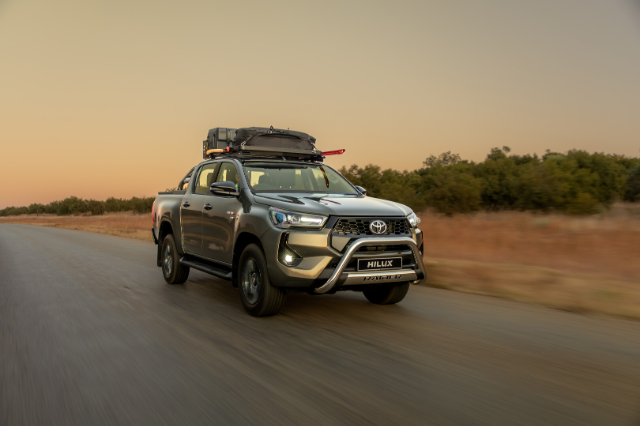
Although Toyota is in the top spot here, it has had its share of issues associated with newer models. The Camry's reliability score dropped following a redesign, as did those of the Tacoma and Tundra models, which received new engines. These issues need some time to get addressed. We don't accept these models in South Africa, so the story here will likely be different.
Subaru
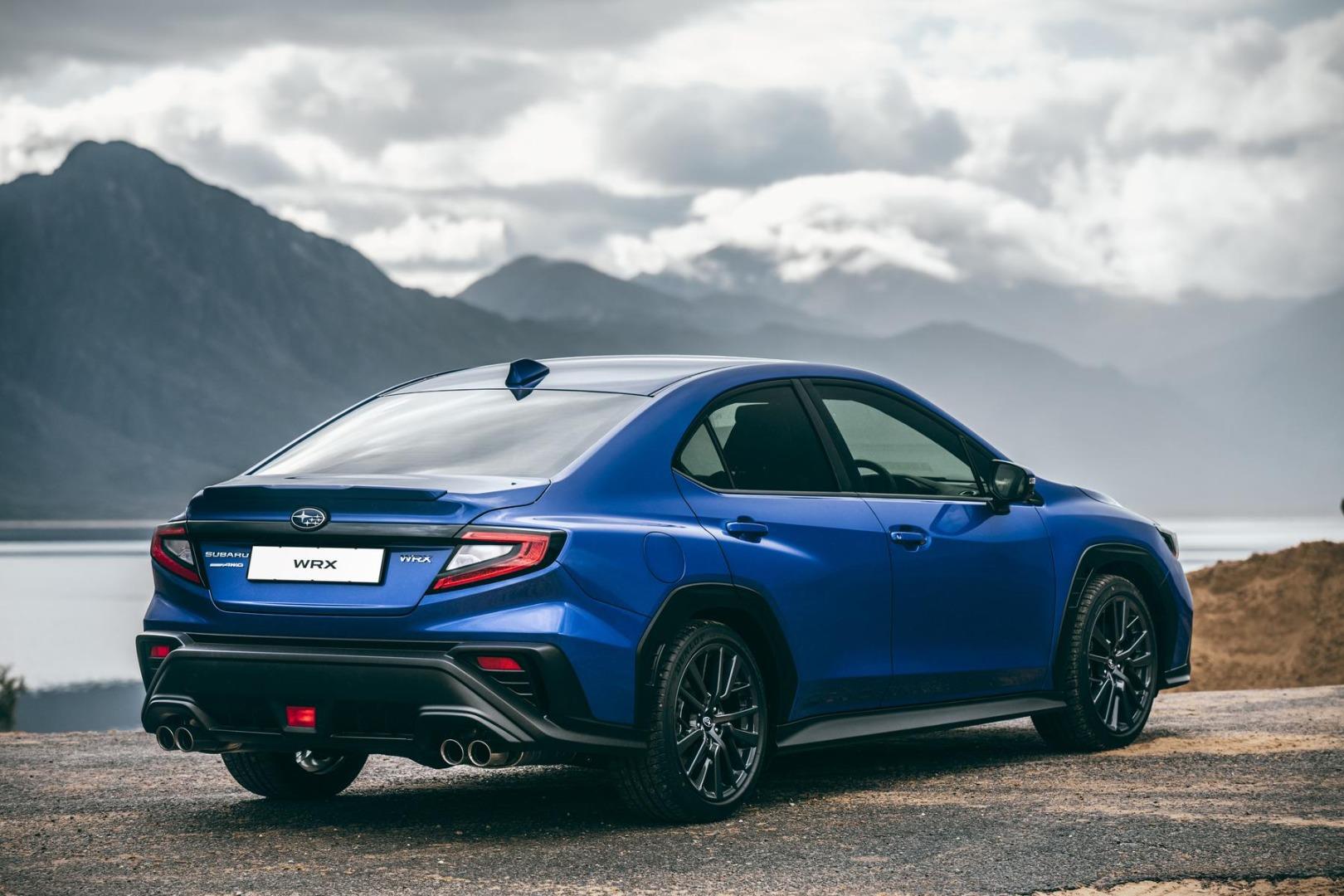
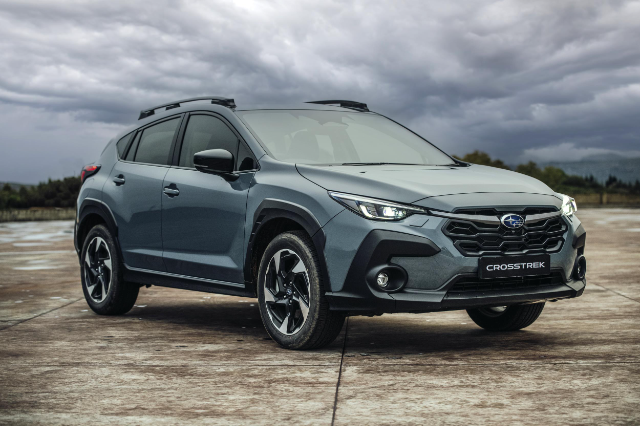
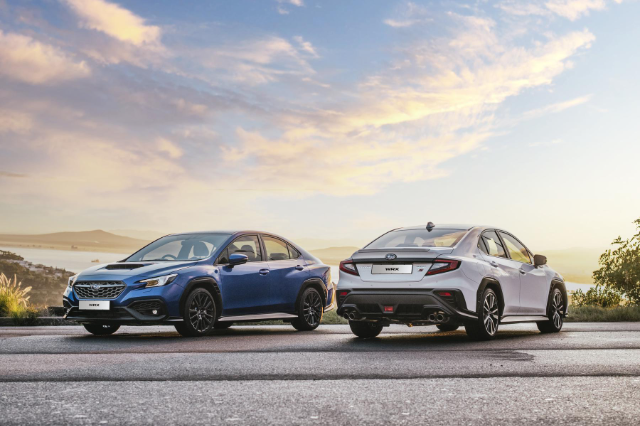
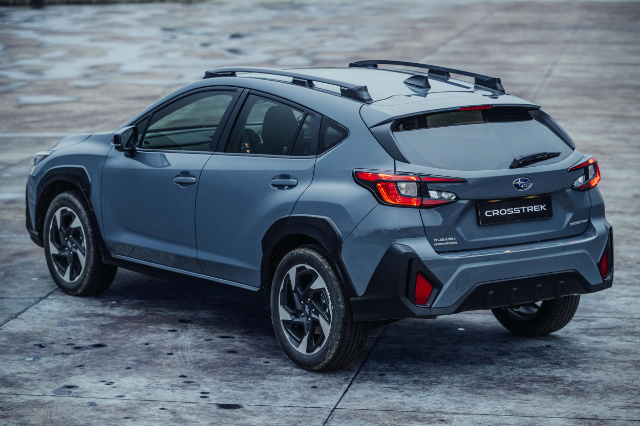
In the previous year, Subaru was in the top spot but dropped to second in the recent results. The Impreza and Crosstrek models are deemed the most reliable vehicles in their range, with the Forester's score being average. The BRZ Coupé (The Toyota GR86's mechanical sibling) and WRX scored above-average results. Lastly, Subaru's older Ascent scored the least. The Impreza, Crosstrek, Forester, and BRZ (by extension, the GR86) are models available in South Africa. The scoring for the Impreza/Crosstrek/BRZ makes sense, as these vehicles were released locally around two years ago, whereas the Forester is a new model.

Lexus
As expected, Lexus uses many of the same platforms and drivetrains as Toyota. The Lexus range has a reliability rating of average or better. The IS takes the crown, followed by the NX, NX Hybrid, and UX models, all of which are available in South Africa.

Hybrids are reliable, EVs and PHEVs not so much?
Consumer Reports has found that hybrid vehicles have been and remain reliable from a majority of brands surveyed. With the added complexity, this is a feat. Although it has been found that PHEVs and EVs have enjoyed less reliability and continue to be nuanced, the worst-scoring, though, are GM (General Motors) vehicles, which are not available for sale in South Africa. The following vehicles recorded poorer reliability scores compared to their ICE counterparts, which relate to the South African market are:
- BMW X5 PHEV
- Lexus NX PHEV
- Volvo XC60 PHEV

Mazda has dropped?
We found this to be particularly odd because Mazda is lauded for having some of the most reliable vehicles available in South Africa and has a history of reliability. The affected model that relates to the South African market is the CX-30. The North American market hybrids, such as the CX-70 and CX-90, haven't scored the best, but these models feature all-new powertrains and are the brand's first hybrid models. Take this with a grain of salt in the South African context, though the CX-5 has been stated in North America to have been reliable for the past 11 years.

Other things to note
Consumer Reports advises against being the first to buy new vehicles, and waiting is the better approach. This isn't anything new in the automotive world, though; it's also the case in the tech industry. If a vehicle has undergone a redesign, not just aesthetically but also in its technology and powertrain, wait and see if any reliability issues need to be addressed. The same applies to Chinese vehicles released locally as well. While the Chinese excel in blistering developmental cycles, it's best to wait and see if any particular issues tend to get fixed quickly by them. We've delved into the reliability of Chinese vehicles if you're curious.
Why don't we have a similar survey in South Africa?
While we have access to international data to draw comparisons from, it's beneficial to consider the South African context, as we have different vehicles for our market. Why don't we have a reliability survey then? The simple answer is that no one is really doing it locally. This is a monumental task, as you're dealing with thousands of vehicles. You need to encourage consumers to participate in the survey, then extrapolate the data to determine if it's of high quality and identify patterns that can be drawn from it to obtain conclusive results. It's not to say it can't be done, but rather to see who's up for the task. Would you like to see AutoTrader do this? Let us know.