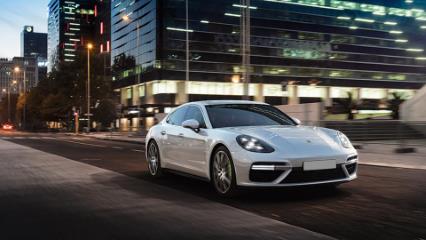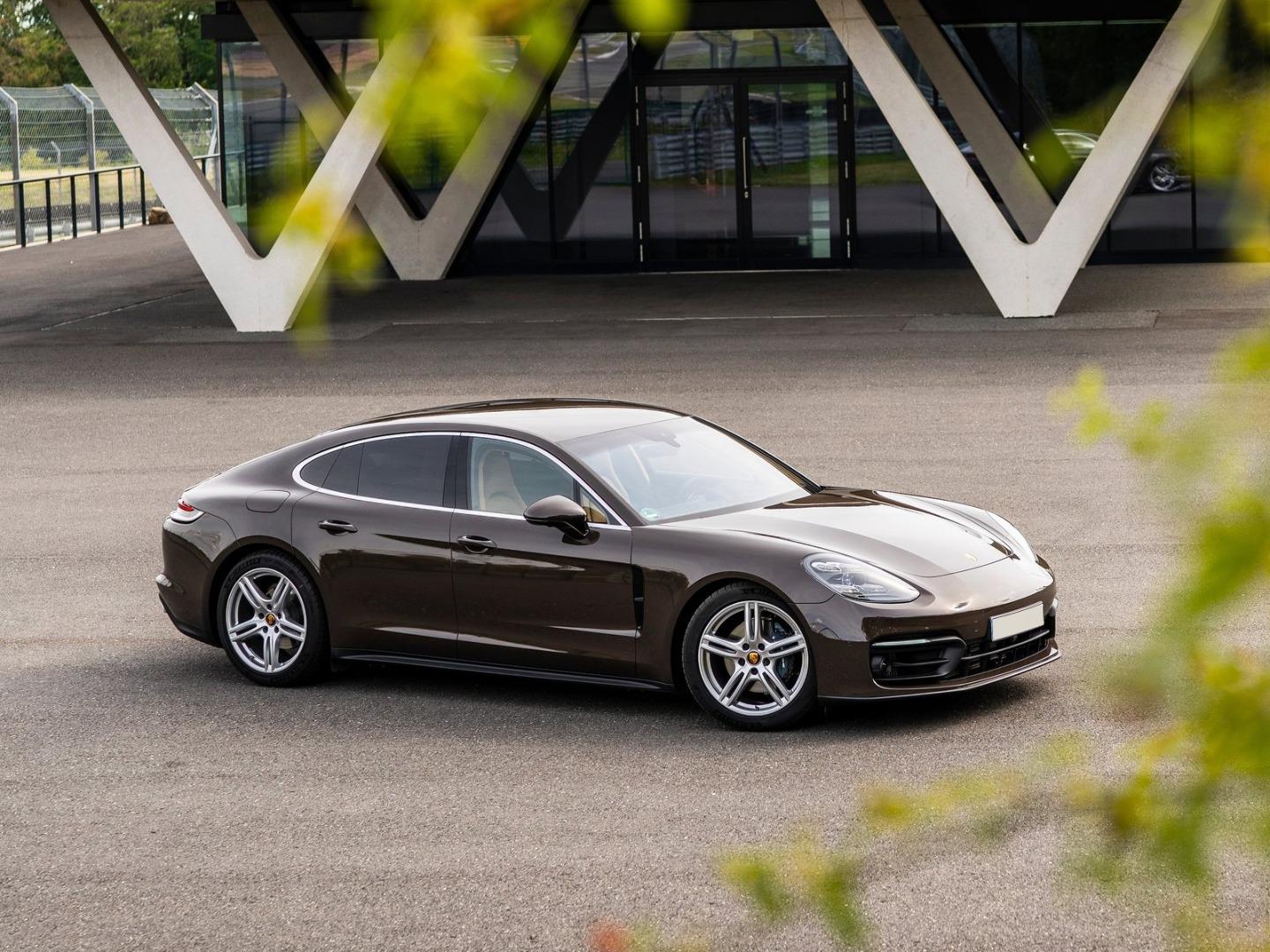
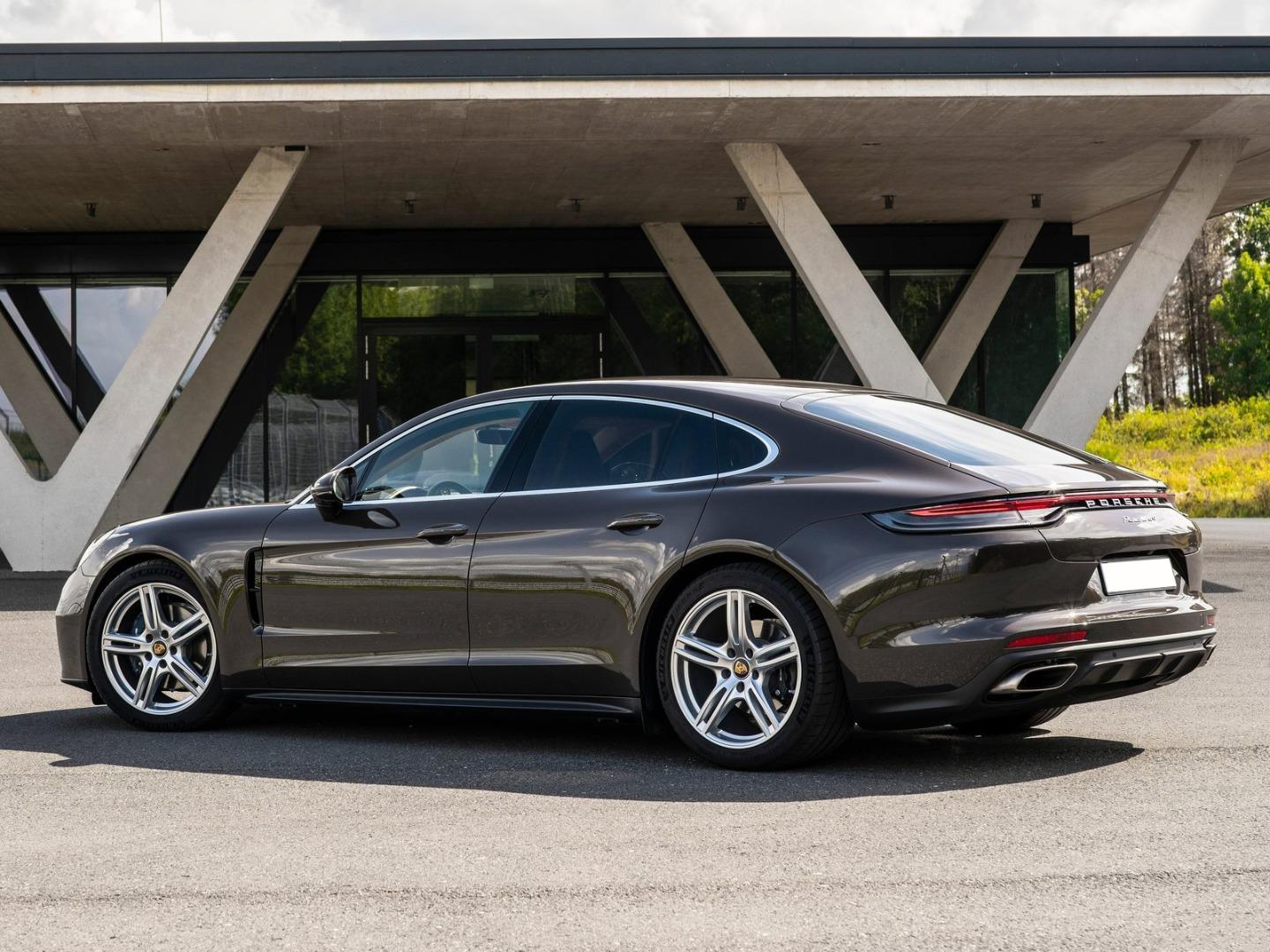
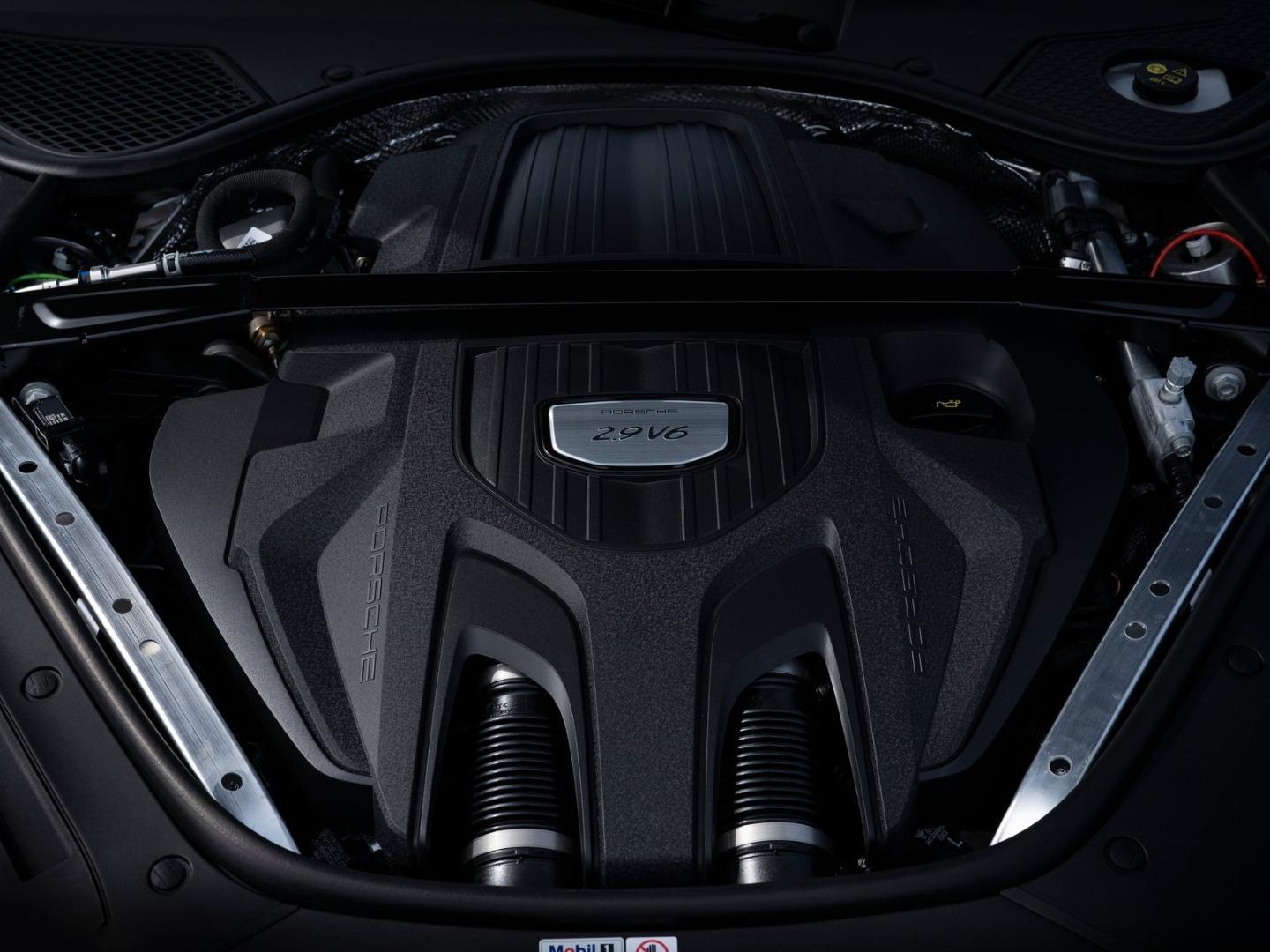
When the Porsche Panamera first arrived on the scene all the way back in 2010, it was met with some scepticism, however, like most Porsche vehicles have won the hearts of many and has grown into a core model for the automaker. The Panamera model is currently in its second generation, however, was updated recently to offer even more refinement, style and features.
Currently, if you are in the market for Porsche Panamera, you will have to choose between the nine model derivatives on offer. While each has its own identifying styling cues, the biggest differences between the models are the specification level, drivetrain and powertrain options. There are even E-Hybrid models on offer which not only produce big power but also return better efficiency, but more on that later.

1. Space
Remember, one of the main reasons that you are considering the Panamera instead of one of the sport models from Porsche is because you require the extra seats and luggage space. While you should be able to squeeze in five occupants including the driver, the rear bench of the Panamera is better suited for two adults than three.
In terms of luggage space, the standard Panamera offers 495-litres with the rear seats up and will expand to 1 334-litres if you fold the rear seats flat. Because of the hybrid technology and batteries, there is a reduction in luggage space wherein the standard wheelbase, you will retain 403-litres with the seats up and 1 242-litres with the seats down. In the Executive configuration, you will get 495-litres with the seats up and 1 483-litres with the seats down.

2. Infotainment
Another area in which Porsche has excelled over the years is their infotainment systems or rather the Porsche Communication Management (PCM). Now featuring centrally on the dashboard is a 12.3-inch display, comes installed with the latest in software. The system offers SD memory card slots, auxiliary and USB connections as well as a 10GB hard drive.
The system is the ideal co-pilot as it provides wireless Apple CarPlay for you to access your favourite apps and entertainment through your phone or the LTE capable integrated SIM card. With the connectivity as well as radars and sensors around the vehicle, the system provides the driver with accurate navigation instructions as well as road signs and hazard information from the Risk Radar.
Customers can also opt for items such as Lane Keeping Assist with road sign recognition and the Porsche InnoDrive package which incorporates adaptive cruise control, night vision assist, lane change assist, LED matrix headlights, park assist including surround view and a head-up display.

3. Engine and drivetrain
The base model of the Porsche Panamera is the only one in the large range that sends the power exclusively to the rear wheels, the rest of the Panamera range comes with a clever all-wheel-drive system to improve grip, efficiency and acceleration. But to better understand the differences in the line-up let us compare the performance and efficiency figures of the Panamera range for you to find the derivative that best suit your needs.
Petrol
| Porsche Panamera | Porsche Panamera 4 | Porsche Panamera 4 Executive | Porsche Panamera GTS | Porsche Panamera Turbo S | |
| Engine | 2.9-litre, turbocharged, V6 petrol | 2.9-litre, turbocharged, V6 petrol | 2.9-litre, turbocharged, V6 petrol | 4.0-litre, turbocharged, V8 petrol | 4.0-litre, turbocharged, V8 petrol |
| Transmission | 8-speed dual-clutch automatic | 8-speed dual-clutch automatic | 8-speed dual-clutch automatic | 8-speed dual-clutch automatic | 8-speed dual-clutch automatic |
| Power | 243 kW | 243 kW | 243 kW | 353 kW | 463 kW |
| Torque | 450 Nm | 450 Nm | 450 Nm | 620 Nm | 820 Nm |
| 0-100 km/h | 5.6s | 5.3s | 5.4s | 3.9s | 3.1s |
| Top speed | 270 km/h | 268 km/h | 267 km/h | 300 km/h | 315 km/h |
| Fuel consumption | 8.8 L/100km | 8.8 L/100km | 9.0 L/100km | 10.9 L/100km | 10.8 L/100km |
| CO2 emission | 201 g/km | 202 g/km | 205 g/km | 249 g/km | 247 g/km |
*This table was compiled with information sourced from www.duoporta.co.za

Hybrid
| Porsche Panamera 4 E-Hybrid | Porsche Panamera 4 E-Hybrid executive | Porsche Panamera 4S E-Hybrid | Porsche Panamera turbo S E-Hybrid | |
| Engine | 2.9-litre, turbocharged, V6 petrol + electric motor | 2.9-litre, turbocharged, V6 petrol + electric motor | 2.9-litre, turbocharged, V6 petrol + electric motor | 4.0-litre, turbocharged, V8 petrol + electric motor |
| Transmission | 8-speed dual-clutch automatic | 8-speed dual-clutch automatic | 8-speed dual-clutch automatic | 8-speed dual-clutch automatic |
| Power | 243 kW engine + 100 kW electric (total 340 kW) | 243 kW engine + 100 kW electric (total 340 kW) | 412 kW total | 420 kW engine + 100 kW electric (total 514 kW) |
| Torque | 450 Nm engine + 400 Nm electric (total 700 Nm) | 450 Nm engine + 400 Nm electric (total 700 Nm) | 750 Nm total | 770 Nm engine + 400 Nm electric (total 870 Nm) |
| 0-100 km/h | 4.4s | 4.5s | 3.7s | 3.2s |
| Top speed | 270 km/h | 268 km/h | 267 km/h | 300 km/h |
| Fuel consumption | 2.2 L/100km | 2.2 L/100km | 2.2 L/100km | 2.7 L/100km |
| CO2 emission | 49 g/km | 51 g/km | 51 g/km | 62 g/km |
*This table was compiled with information sourced from www.duoporta.co.za