New vs used Mercedes-AMG GLE: What are the top 3 differences?
There’s no end in sight for Mercedes-AMG’s performance portfolio renewal, as signaled by the recent arrival of their latest GLE-Class derivatives. The new car differs from its predecessor in a number of ways, and pushes this large SUV’s performance to a new level through the inclusion of two engine variants and some hybrid technology. Let’s chart the top 3 differences between the latest AMG GLE and its predecessor.


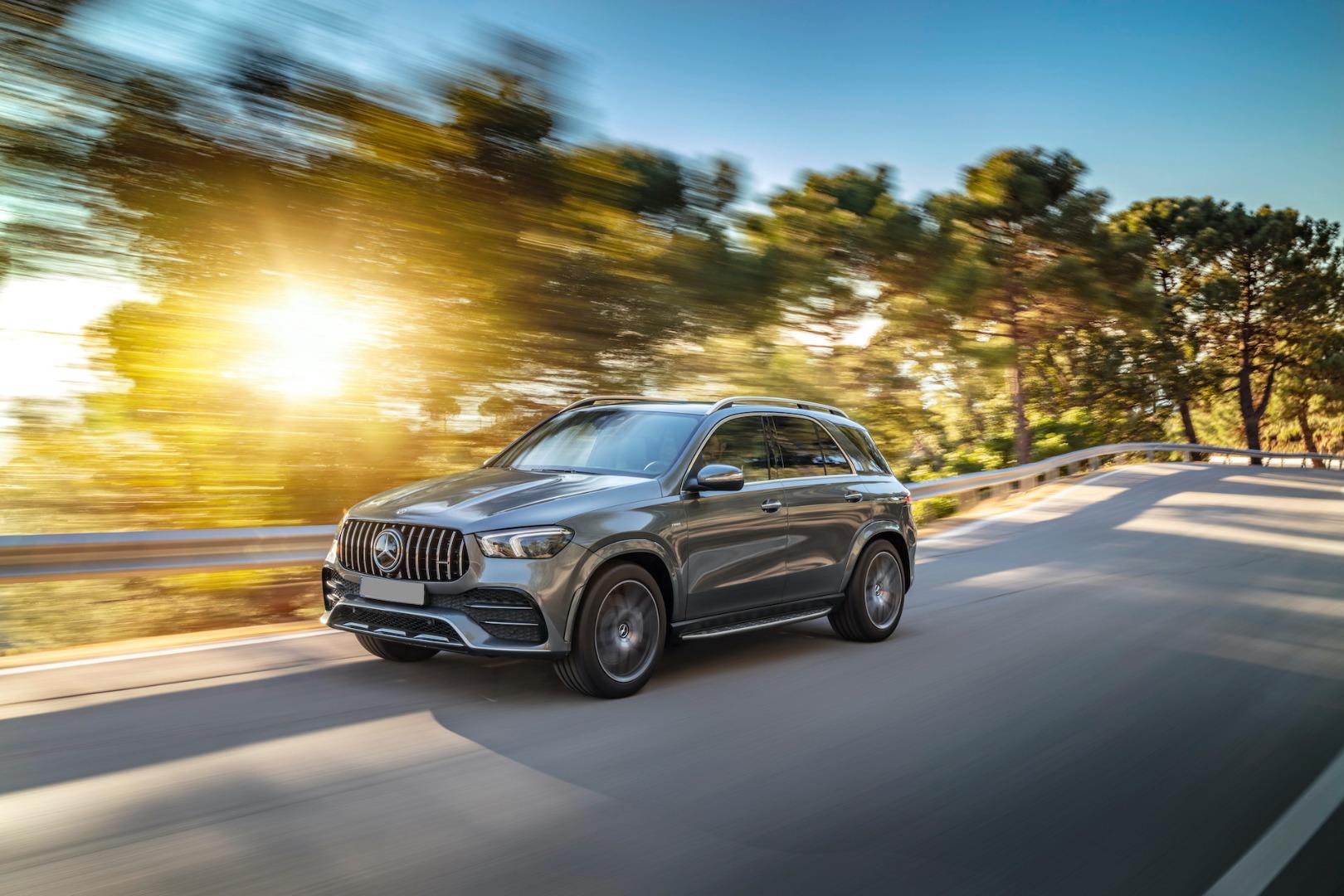
With ancestry that stretches back to one of the very first high-performance SUVs (the 1998 Mercedes-Benz ML55 AMG), the Mercedes-AMG GLE-Class has always been rocketship on wheels. And, since the previous generation's facelift, there’s a second-tier AMG derivative of Mercedes’s mid-line SUV on offer as well, differentiating the range to give two output levels and two rather different personalities.
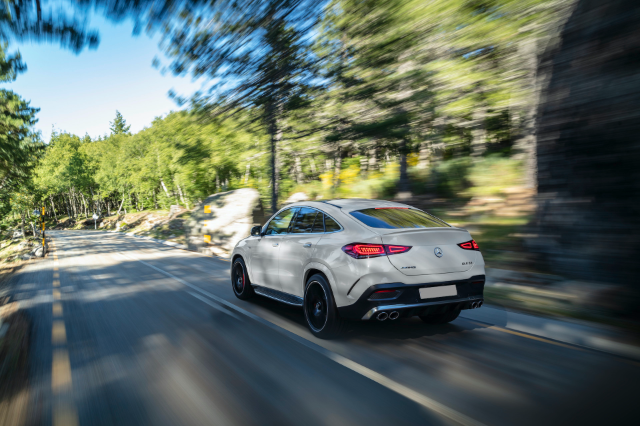
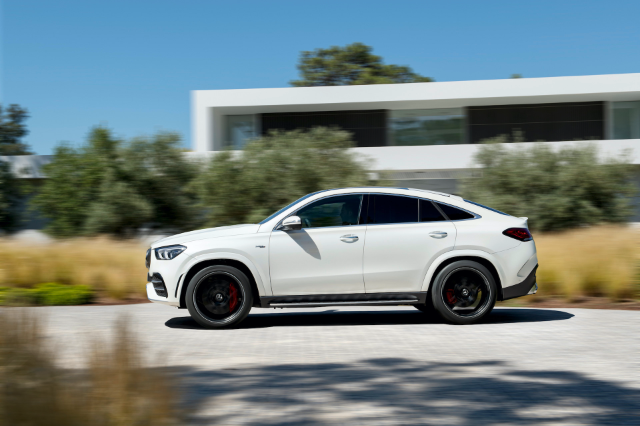
Both engines are available with either the traditional SUV body style, or as an “SUV Coupé”. As with the previous generation, the latter is basically the same as the SUV below the window line, but has an arched roofline, angled tail lights, and a fastback rear end.
Related: Shop for new and used Mercedes-AMG GLE-Class cars for sale here.
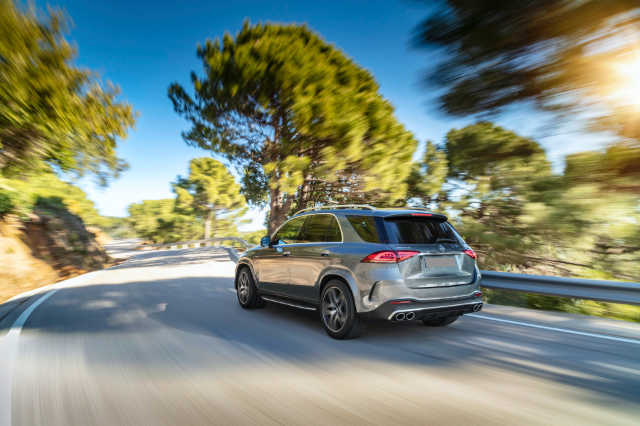
1. All-new platform
The old GLE-Class was essentially an extensive evolution of the second-generation model, while the new one is built around an all-new architecture. Part of the design brief for the new model was adaptability to electrification, a decision which is now bearing fruit with the hybridisation of the latest generation’s AMG derivatives.
Other priorities for the new platform (named “Modular High Architecture”) include improved refinement, reduced weight, and improved crash safety. It’s just a pity that you won’t really notice the body’s weight reduction, because the new tech in the GLE unfortunately also adds the weight savings right back...
2. New engines
In the previous generation GLE, the AMG badge was applied to two main derivatives in the local market, namely the GLE 63 and GLE 43. The former was properly powerful, and was one of the last AMG products to use the old 5.5-litre twin-turbo V8 engine with 420 kW and 800 Nm. The latter was derived from the GLE 400, still used the last of the Mercedes-Benz V6 engines, tuned for 270 kW and 521 Nm in this application.
The new car has entirely different oily bits, with the new entry-level version, renamed the GLE 53, sporting the new 3.0-litre inline 6-cylinder twin-turbo engine, as found in other “53”-badged AMGs. In both new AMG GLE variants, the petrol engines are assisted by a 48-volt mild-hybrid system, giving an instant torque kick of up to 250 Nm while the engine builds boost, while the same 48V electric system also spins up an electric supercharger to further sharpen throttle response.
The big boss AMG GLE still carries the “63 S” nameplate, but its engine is downsized to the latest version of the corporate 4.0-litre twin-turbo V8. With the hybrid assistance at work, the local-spec GLE 63 S produces a solid 450 kW and 850 Nm. Both AMG variants employ a 9-speed dual-clutch automatic gearbox and electronically-controlled torque-vectoring all-wheel drive.
3. MBUX user interface
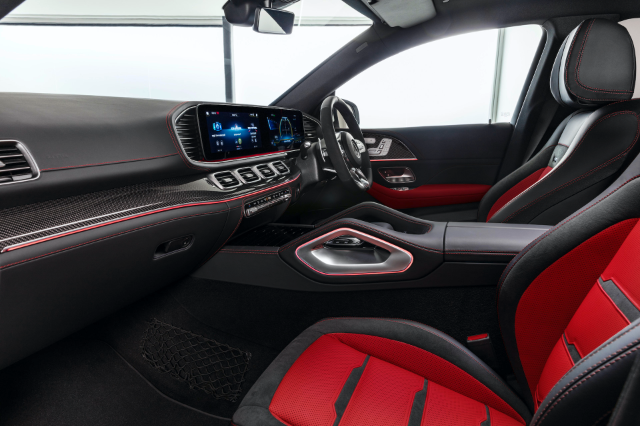
This item has been a feature of lesser (non-AMG) GLEs since the model range was redesigned in 2019, and is now employed at varying stages of evolution virtually throughout the Mercedes-Benz and AMG range. One of the key features of this system is the AI-enabled voice control system, which actually adapts to “teach itself” the accent of its driver.
The entire menu layout is overhauled as well, with animated, hi-res colour graphics on both the centre console screen and digital instrument cluster, as well as touch-pad controls on the console and steering wheel. This operating system a lot more intuitive to use than the old COMAND system, and represents a worthwhile upgrade in the new car.