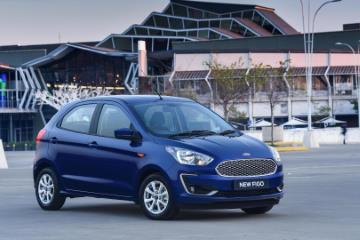
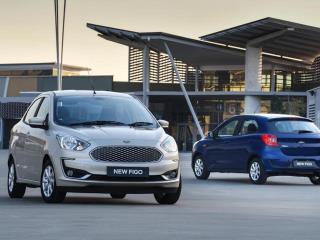
The Figo nameplate first made its appearance locally in 2010. The model was based on the previous generation Ford Fiesta, however, saw a variety of styling changes and new standard appointments on the interior fitted. After five years, the American automaker introduced the latest iteration of the popular hatchback with improved styling, standard technology and safety features.
Since the introduction of the current generation Figo in 2015, Ford has introduced new variants to the range such as the Figo Freestyle and the funky Figo Blu. To better understand everything that has changed on the new model when compared with a used Ford Figo model on AutoTrader, we will be looking at the Trend trim level as there was no Titanium trim on the earlier iteration.

1. Styling
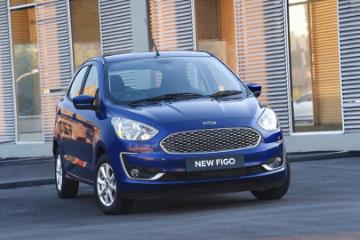
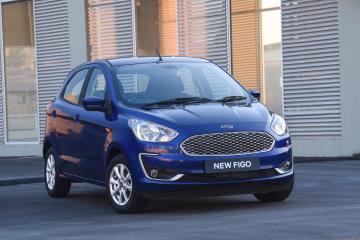
While the first generation Ford Figo shared quite a bit of its styling cues with the outgoing Fiesta model, the current model sets itself apart and has unique styling up front on the side and rear of the vehicle. The current model uses Ford’s Kinetic 2.0 design language and as a result, aligns itself with the current Fiesta and Focus models.
Upfront features the distinctive trapezoidal grille design which is flanked by more aggressive and elongated headlamps. The sharper front in combination with the swept-back windshield and A-pillars results in better aerodynamics which in turn bolster the efficiency of the hatchback. To complement the sporty and clean design, Ford has incorporated a rear spoiler and two crease lines in the tailgate.
Very noticeable at the rear is the change from the vertical lamp configuration into the modern and smooth diamond shape. The clean edges at the rear as well as the front lip spoiler bolster the airflow around the vehicle and reduces turbulence and drag which once again increase efficiency.

2. Interior
The interior incorporate familiar shapes in the Ford product range such as the central facia. For the new Figo, Ford has made many of the edges smooth while incorporating different trim materials to complement the dashboard and door trim surfaces. The standard equipment has also been bolstered with a more powerful air-conditioning system as well as the MyFord Dock configuration.
The latter offers owners a dedicated space to store and charge mobile phones, MP3 players and satellite navigation systems while still being able to integrate some of their respective features into the infotainment system. The dock can also be closed when the items are not in use to remain safely out of sight.
The standard four-speaker audio system in the Trend variants also offer customers radio and CD player functionality as well as MP3 compatibility, Bluetooth connectivity, USB input and Aux input. In terms of safety, occupants benefit from driver and passenger airbags, ABS brakes and a key-operated central locking and a perimeter anti-theft alarm system.

3. Powertrain
Over the years Ford has been able to create smaller, lighter and more efficient engines for its products, this is also the case with the Ford Figo. Let us compare the two models side by side to see just how much Ford has improved on its earlier recipe.
| 2012 Ford Figo hatch 1.4 Trend | 2018 Ford Figo hatch 1.5 Trend | |
| Engine | 1.4-litre, 4-cylinder, petrol | 1.5-litre, 3-cylinder, petrol |
| Transmission | 5-speed manual | 5-speed manual |
| Power | 62 kW | 88 kW |
| Torque | 127 Nm | 150 Nm |
| 0-100 km/h | 13.1s | 11.8 |
| Top speed | 169 km/h | 175 km/h |
| Fuel consumption | 6.6 L/100km | 5.7 L/100km |
| CO2 emission | 156 g/km | 132 g/km |
*This table was completed with information sourced from www.quickpic.co.za and was correct at the time of writing this article.