New vs used Audi SQ5: What are the top 3 differences?
Now into its second generation, the Audi SQ5 was a somewhat niche product, when the first one arrived locally in 2014 as the first premium performance SUV in its class. The old one offered a unique package, mating a mid-sized SUV body with an unusual high-performance V6 turbodiesel, but the current-generation SQ5 is rather more conventional than its predecessor.



Audi is definitely getting a lot of mileage out of their MLB platform. Since its first introduction in 2005, it’s underpinned almost all Audis from the A4 upwards, and has been further developed into the current MLB Evo architecture. This brought about some changes for those models which utilise this component set, such as the Audi SQ5 under discussion here.
Related: Shop for new and used Audi SQ5 cars for sale here.

1. Revamped styling
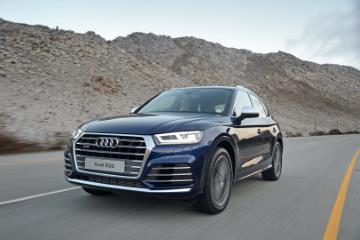
Seeing as the new SQ5 is still based upon the same architecture as before, it looks very similar to its predecessor at first glance. Almost all the body panels are new, however, with sharper creases down its flanks and a greater emphasis on the “quattro-style” wheel-arch flares which form part of Audi’s current design language.
Apart from the new grille (now hexagonal) and revised brightwork at the front- and rear ends, the biggest differentiating elements of the new SQ5 lies in its lighting system. The external lights are now all LED-based, with adaptive HD matrix headlamps and adaptive OLED rear clusters at the rear.
As in other new-generation Audis, those LED lamps put up an intricate light show upon locking/unlocking and startup. Meanwhile, the rear clusters will even automatically increase in intensity when the car senses traffic closing in from behind, to increase the SQ5’s visibility to the other driver. Clever.

2. No more diesel power
Releasing the first-generation Audi SQ5 as a diesel-only model was a daring move from Audi South Africa. While the SQ5 was available with petrol petrol in some markets, we only received the 3.0 V6 TDI (twin-turbo diesel) with 230 kW and 650 Nm on tap. However, due to the fallout resulting from the “Dieselgate” emission scandal, the second-generation SQ5 is only offered with petrol power.
The new model’s engine is related to the older (US-market) supercharged 3.0-litre petrol V6, but is now equipped with a single turbocharger and an electric compressor (to fill any gaps in the boost curve) to give 260 kW and 500 Nm. But, as before, the SQ5 employs the ZF 8-speed automatic gearbox instead of Audi’s own S-Tronic dual-clutch automatic transmission and rear-biased, torque-vectoring AWD system.

3. Modernised in-car electronics
Seeing as the previous SQ5’s architecture dated from the Q5 range’s first facelift in 2012, it missed out on many of Audi’s newer electronic gadgets. It used a traditional instrument cluster (albeit with grey dials and white needles), and its infotainment system was an earlier version of Audi’s MMI user interface.
In contrast, the new SQ5 features the latest digital cockpit, along with the same colour touchscreen-based infotainment system as you’d find in the recently-updated Audi A4. The cockpit layout is greatly simplified as a result, with no sign of the old rotary controller or over-supply of console-mounted buttons.
Other handy additions include Audi Connect (which links your smartphone to the car for certain remote-controlled operations) and the (optional) “Audi Phone Box”, which includes wireless smartphone mirroring and 5-watt wireless charging. These upgrades brings the new SQ5 up to speed with the latest industry standards, and even exceeds them in some respects.