
New vs Old: Hyundai Grand i10 - the top 3 differences.
New vs Old: Hyundai Grand i10 - the top 3 differences.



By Chad Lückhoff
We look at the differences between the Hyundai i10 and the Hyundai Grand i10 in terms of size, engines and braking ability.
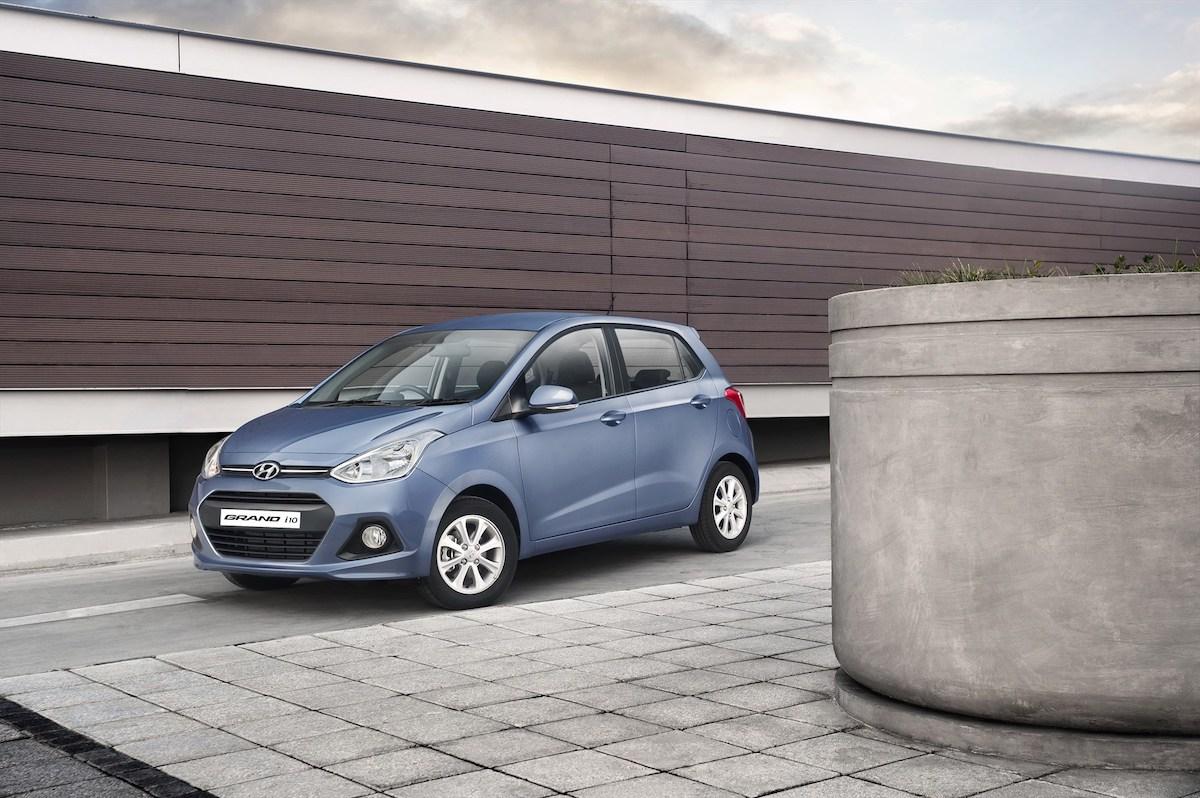
The Hyundai Grand i10 is a relatively new vehicle, but at the same time, it's not. The name is fairly new to South Africa but that's merely due to a naming convention.
We first saw this model as the Atos and when Hyundai switched over to their numbered naming system, it became the i10. This happened in 2008. Since then, we've grown accustomed to the i10 name but you may have seen a shinier version with the word 'Grand' slapped on the front.
Hyundai South Africa no longer offers the regular i10 and only has the Grand i10 on their floors. This decision was made largely due to the average South African build and the distances we travel on average. We needed a larger car, it's that simple. The Grand i10 is, as the name suggests, larger than the regular i10. However, it's not only South Africa that has seen the switch from i10 to Grand i10, but it's also a global trend with only India having the regular i10 on sale.
So how does the Grand i10 differ from the i10 we once knew? Here's how:
Sheer Size
It's all a numbers game. The original i10 is more compact than the Grand i10 and the Grand i10 offers of the best space in its class. Look at the table below to see how the two compare.
| Hyundai i10 | Hyundai Grand i10 | |
| 3565 | Length - mm | 3765 |
| 1595 | Width - mm | 1660 |
| 1540 | Height - mm | 1520 |
| 2380 | Wheelbase - mm | 2425 |
| 1040 | Legroom (Front) - mm | 1050 |
| 880 | Legroom (Rear) - mm | 860 |
| 1017 | Headroom (Front) - mm | 1008 |
| 975 | Headroom (Rear) - mm | 975 |
| 225 | Cargo - litres | 256 |
Better Engines
The first generation Hyundai i10 is powered by a 1.25-litre engine. This inline 4-cylinder petrol engine is devoid of a turbocharger and makes 55 kW and 116 Nm. While cheerful and economical, Hyundai believed that there was still more to be had from this engine and with the introduction of the Grand i20, the Kappa engine (the 1.25-litre previously used in the i10) received variable valve timing to boost the power and further improve the economy. The newer engines, as found in the Grand i10 produce 64 kW and 120 Nm now, which proved to come in handy when powering the larger Grand i10.
The Grand i10 also has a larger fuel tank, coming in at 43-litres as opposed to the 35-litre fuel tank that is found in the previous generation i10.
A budget-friendly 1.0-litre engine is now also on offer, producing 48 kW and 94 Nm torque.
Better Brakes
Going is one thing, stopping is another. With the increase in weight and power of the Grand i10, Hyundai upgraded the brakes on their entry-level offering and as a result, all models now come with ABS as standard.