While traditionally sedan models dominated the passenger vehicle segment, the expanding SUV ranges have changed that trend dramatically. This, however, do benefit sedan buyers as manufacturers have introduced new models that are better than ever and packed with more standard equipment than ever before.
The models we will be comparing is the Lexus ES in 300h EX guise, BMW 330i M Sport and Jaguar XE P250 R-Dynamic SE. The reason we chose these specific models is that they fall within a few thousand rands of one another and in terms of size and where they are positioned in their range, naturally competes with one another.

Exterior
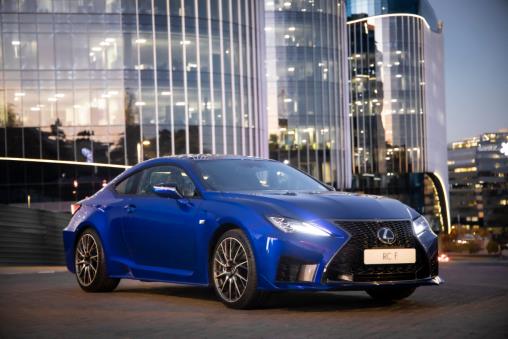
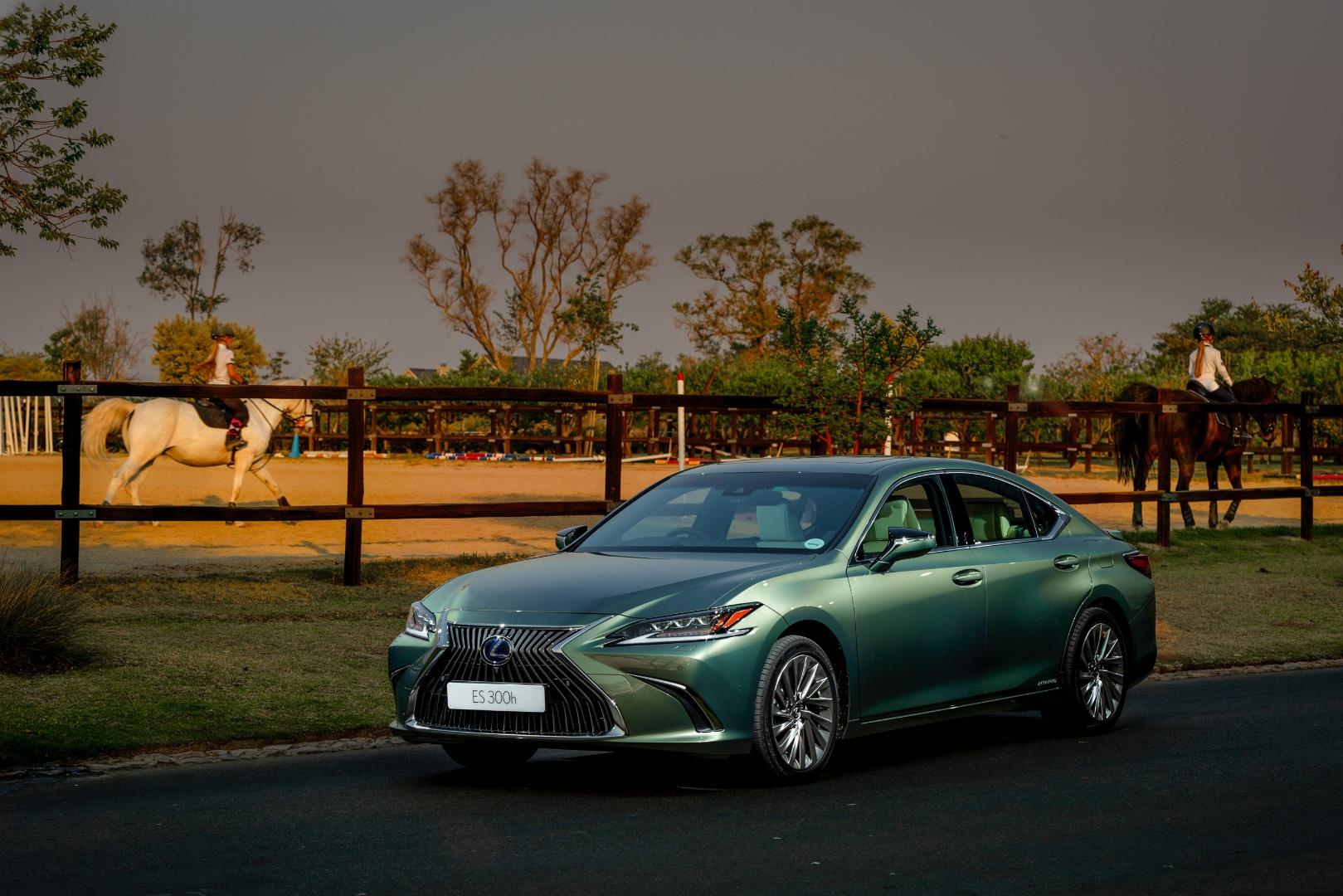
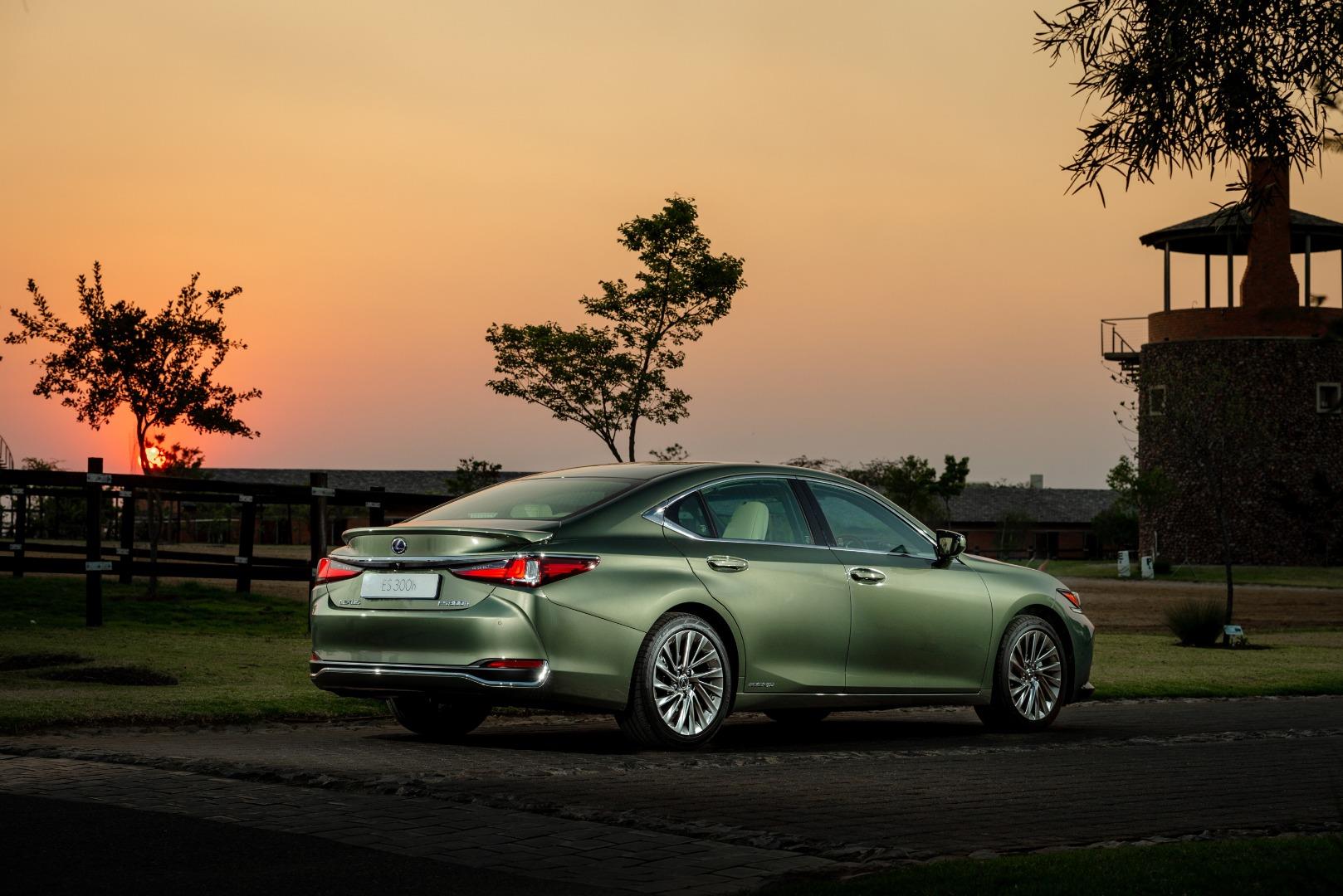
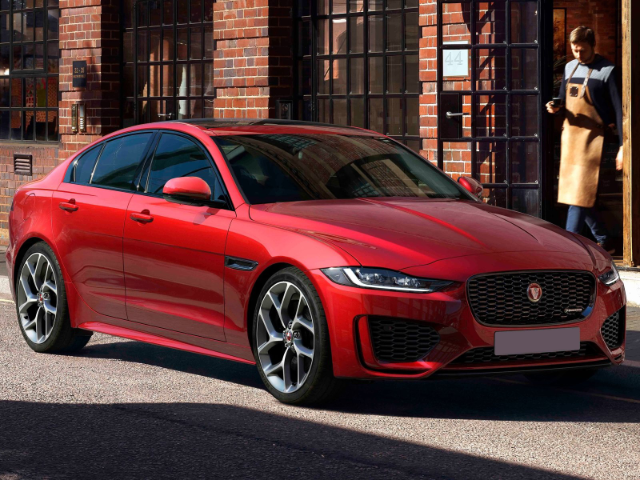
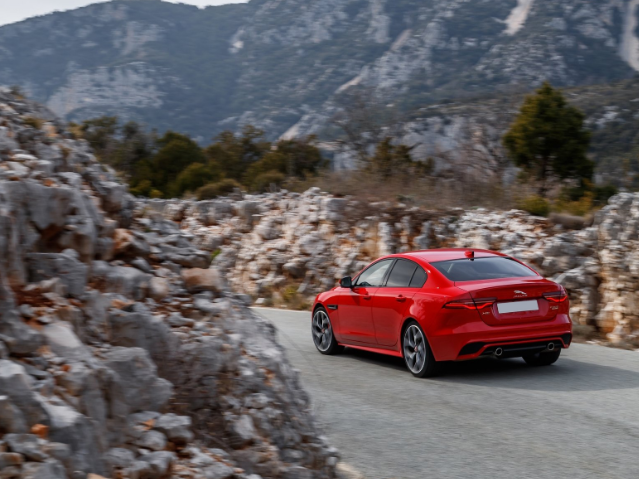
Although the styling is subjective, each of the contenders offers unique trim options on the exterior. Both the Jaguar XE and BMW 3 Series come fitted with 18-inch, model-specific, alloy wheels whereas the standard specification on the Lexus offers 17-inch wheels. The BMW 3 Series still offers the signature kidney grille with verticle slats and chrome bezel while the Jaguar comes with a gloss black honeycomb grille.
The Lexus ES stand out from the competition as it retains long curving slats within the familiar hour-glass grille. All three models offer customers LED headlamps bolstered with LED daytime running lights, however, only the German and Brit comes fitted with adaptive and directional headlamps. While all three models offer park distance control at the front and rear, a reverse camera only comes standard on the Lexus and Jaguar, with the latter model bolstering the feature with surround view.
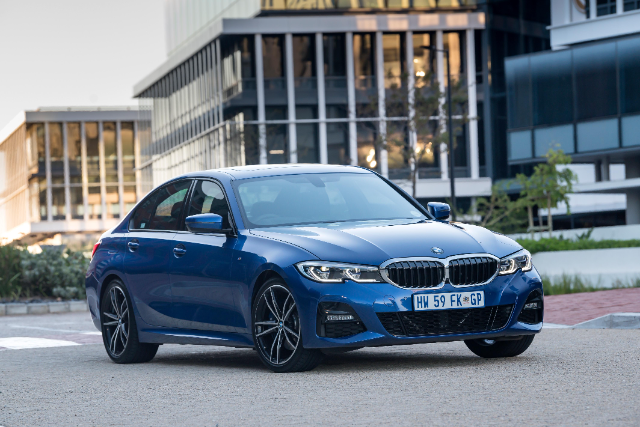
While all three models come fitted with heated side mirrors, only the Lexus and Jaguar make them retractable as standard. The Lexus is the only one with a sunroof as standard specification while remaining optional specification on the other two competitors. To step inside the vehicles, the Jaguar and Lexus offer keyless entry while the BMW only offer keyless start as standard equipment while entry remains optional.
Interior
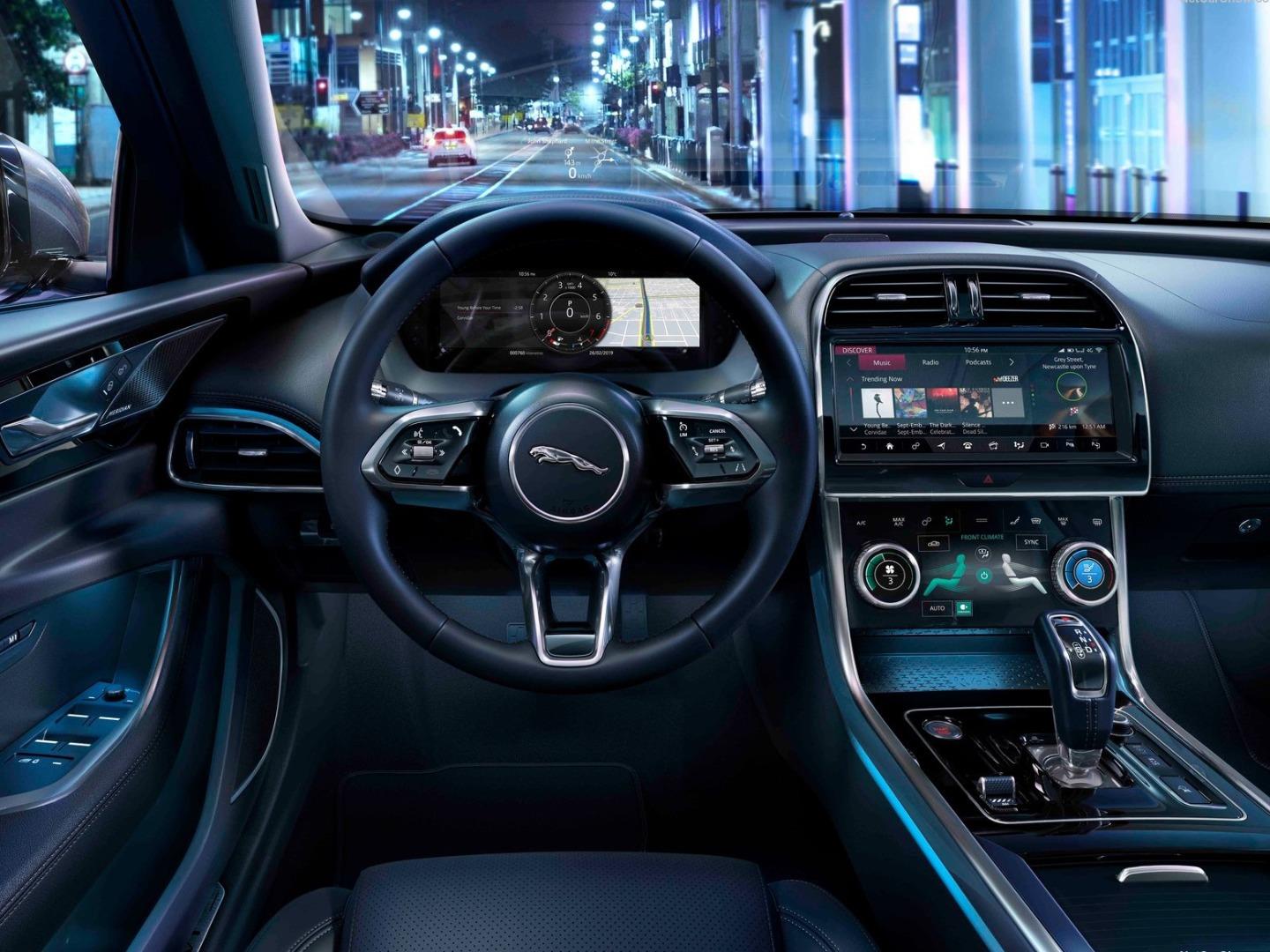
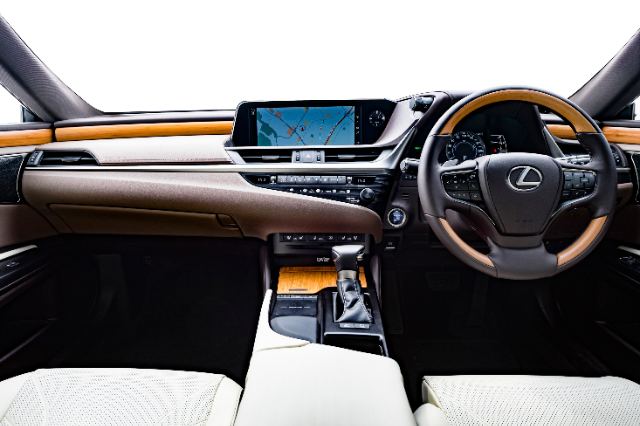
Speaking of stepping inside the interior, all three models come with unique layouts and specifications. The Lexus ES for instance offers artificial leather with the BMW combining artificial leather with suede materials. The interior of the Jaguar is clad with full leather and like the Lexus offer both front occupants electronically adjusted seats, an optional item for the BMW.
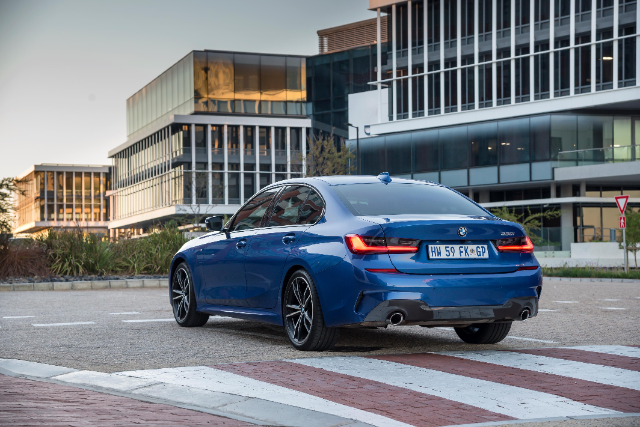
Centrally, the BMW features a 10.25-inch infotainment screen while behind the steering wheel fits a fully digital 12.3-inch instrument cluster. The inputs for the infotainment system includes USB and Bluetooth and is controlled via a touch-pad controller as well as buttons on the multifunction steering wheel or voice control.
The Lexus comes with a 7-inch TFT instrument cluster while centrally features a 12.3-inch infotainment screen. The system offers Bluetooth, auxiliary input as well as two USB ports and is controlled via a touch-pad controller as well as buttons on the multifunction steering wheel or voice control.
The Jaguar XE comes fitted with a 10.0-inch touchscreen infotainment system with USB, Bluetooth and auxiliary inputs. Lower down a second 5.5-inch screen with rotary dials features to control vehicle settings and the climate control system. Behind the steering wheel, the driver is treated to a 12.3-inch customizable instrument cluster. The BMW trumps the other two with 480-litres of luggage space, while the Lexus offer 420-litres and the Jaguar, 394-litres.
Safety and convenience
In terms of airbags, the Lexus stand head and shoulders above the rest offering 10 airbags while the BMW and Jaguar come fitted with 6 each. All three models offer ABS brakes with Electronic Brake Assist and Emergency Brake-force Distribution. Hill-start assist, Traction Control and Stability Control also feature as standard equipment.
While the BMW and Lexus come with a tyre pressure monitoring system, this is an optional item on the Jaguar. The Jaguar on the other hand comes with lane-keep assist which is optional on the BMW and Lexus, all three models, however, incorporate a blindspot assist system. Conveniences such as cruise control, climate control, auto-dim interior mirror and ISOFIX mounting points come as standard on all three models.
Performance
While all three models are fueled with petrol, Lexus offers a hybrid powertrain, but will it advantage the Japanese contender? Let us compare all three models side-by-side to find out.
| Lexus ES 300h EX | BMW 330i M Sport | Jaguar XE P250 R-Dynamic SE | |
| Engine | 2.5-litre, 4-cylinder, petrol-electric hybrid | 2.0-litre, turbocharged, 4-cylinder petrol | 2.0-litre, turbocharged, 4-cylinder petrol |
| Transmission | 5-step CVT | 8-speed automatic | 8-speed automatic |
| Power | 160 kW | 190 kW | 184 kW |
| Torque | 221 Nm | 400 Nm | 365 Nm |
| 0-100 km/h | 8.9s | 5.8s | 6.7s |
| Top speed | 180 km/h | 250 km/h | 242 km/h |
| Fuel consumption | 4.6 L / 100 km | 6.4 L / 100 km | 6.3 L / 100 km |
| CO2 emission | 104 g/km | 147 g/km | 143 g/km |
*This table has been compiled with information sourced from www.duoporta.co.za
Warranty and service
Included in the purchase price of the Lexus ES is a 7-year / 105 000km warranty as well as a 7-year / 105 000km maintenance plan to ensure all is well with the vehicle. Both the BMW and Jaguar comes with a 5-year / 100 000 km maintenance plan, however, where the BMW offer a 2-year / unlimited-kilometre warranty, Jaguar offers 5-years / 100 000 kilometres.

Verdict
Looking at the comparison, it is easy to spot that although the Lexus falls within a similar price range to the other two competitors, it is aimed at owners looking for a frugal, environmentally friendly luxury sedan. The BMW and Jaguar both take on more sporty appearances and performance figures.
Thus if you are in the market for a luxury cruiser in which you can cover kilometres in luxury, the Lexus ES is certainly the model to consider. However, if you are in the market for something with a little more oomph, both the BMW and Jaguar should provide you with the driving thrill you crave.

In terms of value for money, the BMW in its standard specification, and at the time of writing this article, is the most affordable coming in at R 828 976. The Lexus is close with a price tag of R 831 900, while the Jaguar can be had for R 839 524. But looking at how many additional standard features is offered by the Jaguar for the small premium over the other two competitors, it has to be our winner.