New vs old Lexus RC: What are the top 3 differences?
The Lexus RC first made its local debut in 2015 as a coupe version of the brand's IS model. The RC range was updated in 2019 with the introduction of a sporty flagship model, the RC F. Today we take a look at the key differences between the two models


The Lexus RC is the Japanese brand's answer to the likes of the Audi A5, the BMW 4 Series and indeed, the Mercedes-Benz C-Class Coupe. When the range was first introduced it included a turbocharged four-cylinder engine as well as a 3.5-litre naturally aspirated V6. The former was dropped from the range during a mid-life makeover, leaving the V6 as the lone engine option until the arrival of the performance-based RC F.
Related: Top 5 things you need to know about the Lexus RC F
There are pre-facelift and updated Lexus RC models listed for sale on AutoTrader. For our comparison today, we will be looking at 3 key differences between the updated RC and the first iteration.
1.Introduction of the V8
Naturally aspirated V8s are increasingly rare in the modern motoring landscape, so when Lexus decided to bring the RC F and RC F Track Edition to local shores in 2019, it represented a bold move. The RC F's 2UR-GSE 5.0-litre naturally aspirated engine produces 351 kW and 530 Nm of torque which is sent to the rear wheel s via an 8-speed automatic gearbox.
Before the introduction of the V8 variant, the V6 served as the flagship for years. The RC F represents more than just a bigger engine within the RC range, it also provides a sportier suspension set-up, larger brakes and improved aerodynamics, allowing it to take the fight to the likes of the BMW M4 and Mercedes-AMG C63 S Coupe.

2.Updated styling
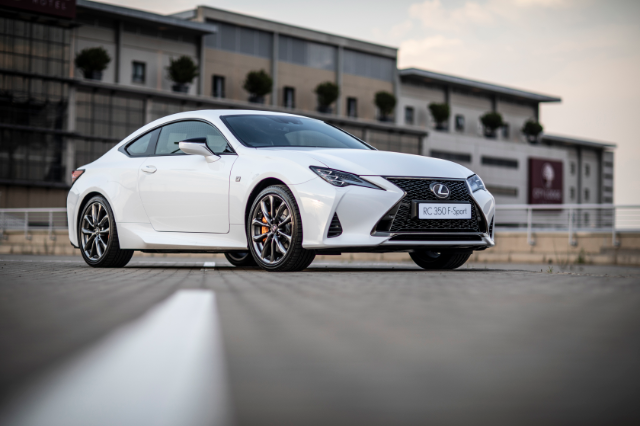
Early in 2019, Lexus revealed the updated version of the RC, which includes restyled front and rear bumpers as well as a mildly updated version of the brand's 'spindle grille'. The exterior also features reshaped LED daytime running lights, LED headlamps and taillamps as well as a new set of alloy wheels. The brand also dropped the turbocharged four-cylinder engine, leaving the 3.5-litre V6 with 232 kW and 380 Nm in F Sport guise and the aforementioned RC F.
3.Updated interior and features
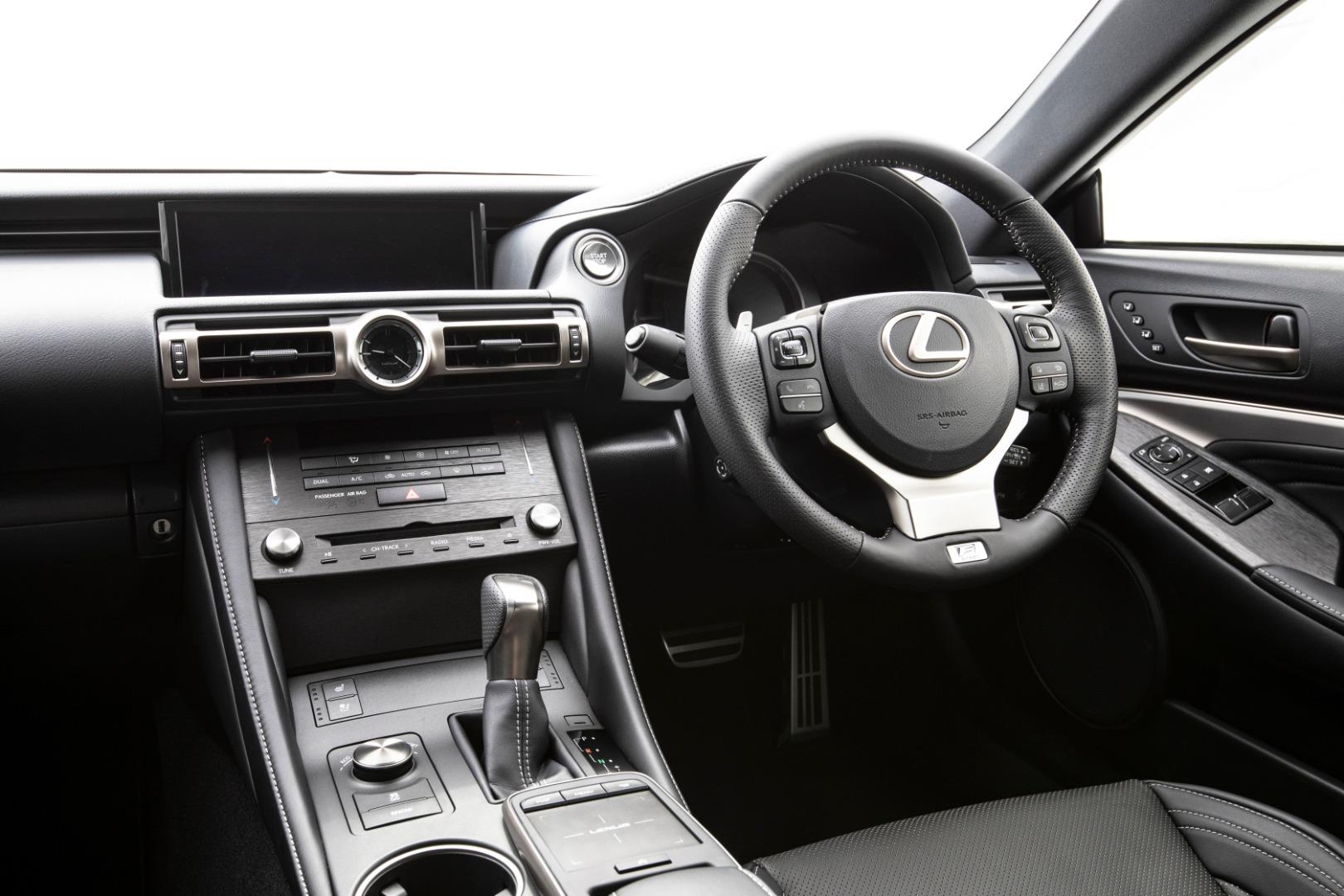
While not the most comprehensive of updates, the interior of the RC received some updates which include new placement of the leather-clad knee pads, an updated analogue clock, improved ergonomics around the infotainment touch-pad, re-shaped cup holders and a brushed aluminium finish on the interior panels. The brand also introduced a raft of semi-autonomous driving systems such as blind-spot monitoring, auto-pedestrian braking and lane departure alert with lane-keeping assistance.

Recommended next:
What is covered under Lexus RC manufacturer warranty?
Lexus RC vs BMW 4 Series vs Audi S5: which one has the lowest running costs?