The Lexus LS model was first introduced in 1989 and was created to take on a segment that was dominated by European automakers. While the first iteration didn't quite match all of the electronic assistant systems and powerful engines of its competitors, it was on par and in some instances surpassed the competition in comfort. Now just over three decades later and the Japanese model is considered one of the best in the executive sedan market and one that easily contends with its European counterparts.
Related: Lexus LS 500 test drive: make sure to check these features out.
The current iteration of the LS model was unveiled globally during 2017 and first arrived locally during the first quarter of 2018. Offered in two derivatives, the LS 500 and LS 500 F-Sport, the latter emitting comfort items such as rear massaging seats but incorporating sport seats, F-Sport steering wheel, F-Sport specific mesh grille, revised air dams on the front bumper and new 20-inch wheels. For this article, we will be focussing on the LS 500 F-Sport variant.
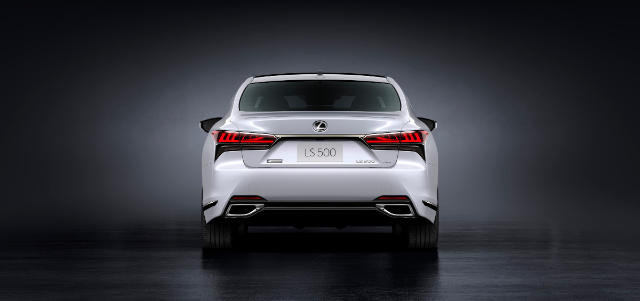
Exterior
Upfront the new LS model sees the introduction of a new headlamp design as well as an updated mesh grille. Both the new elements portray a more sporty and yet sophisticated aesthetic. The side profile of the new model remains similar to that of the outgoing model, however, new wheels fill the wheel wells.
The rear of the new LS also remain quite similar to the outgoing model, however, in place of the chrome trim incorporated into the rear lamps, the new model now features ebony elements.

Interior
When comparing the interior design of the new and current or outgoing model you will find that the overall design layout remains very similar with the exception of a few items. One of the most noticeable changes is in the position and configuration of the central infotainment screen.
While by the looks of it, the screen remains the same size at 12.3-inches but is now positioned on top of the dashboard as a floating element rather than sunken in like on the current model. Customers will also notice the climate control buttons as well as audio control buttons to be more refined. Another noticeable change is the new patterns on the leather sport seats which bolster the futuristic design of the cabin.

Under the skin
The biggest changes to the Lexus LS happened under the skin as the new model sees the introduction of newly developed Adaptive Variable Suspension as well as improved initial engine torque for greater acceleration response. The Japanese automaker also tweaked the transmission to retain a wider acceleration range for each gear so that there are less-frequent downshifts.
One of the biggest additions to the luxury sedan is the Lexus Teammate technology which incorporates AI technology to continuously learn and update the vehicle's autonomous characteristics. This improves the lane-keep assist system as well as the adaptive cruise control and the distances maintained to vehicles ahead. The system is also more efficient in changing lanes and overtaking.
Recommended next:
Should you fit extras on a Lexus LS?
Lexus LS vs BMW 7 Series vs Mercedes-Benz S-Class: which one has the best infotainment system?