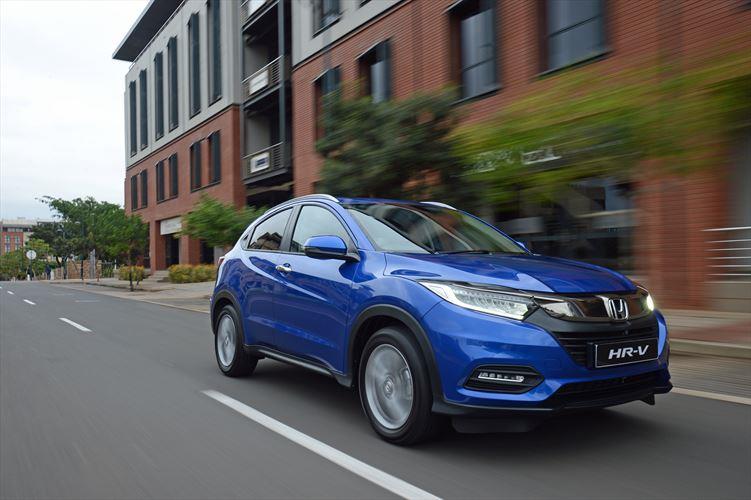
The HR-V is a handsome vehicle that drives more like a hatch than an SUV. Honda says it's a perfect mix between a people mover, coupé, and a sports utility vehicle, offering the best of all three worlds in one, multifaceted package.
Modern families who value practicality won't be disappointed, as the HR-V is the only car in the segment that offers the Honda's versatile Magic Seat System.

How does Honda's Magic Seat System work?
The magic seats offer a wide variety of configurations, allowing you to transport anything from bicycles to oddly-shaped musical instruments and their owners, or both. Because the HR-V's fuel tank is located in the middle, floor is almost completely flat. The split rear seats can be folded conventionally to increase the already-spacious 393-litre boot to a massive 1002 litres, but instead of folding the seats forward, you can actually fold the seat-bottoms up, creating a large open floor-area in the second row.
While the HR-V was in my possession, I kept the one rear seat folded up permanently, to create space for groceries if I didn't feel like opening the boot lid. This also came in handy when I had to exchange my stove's 9-kilo gas cylinder, as it didn't have to roll around in the cargo area. Taking a large casserole to a relative who was unwell, also proved hassle-free, because of this extra storage option.
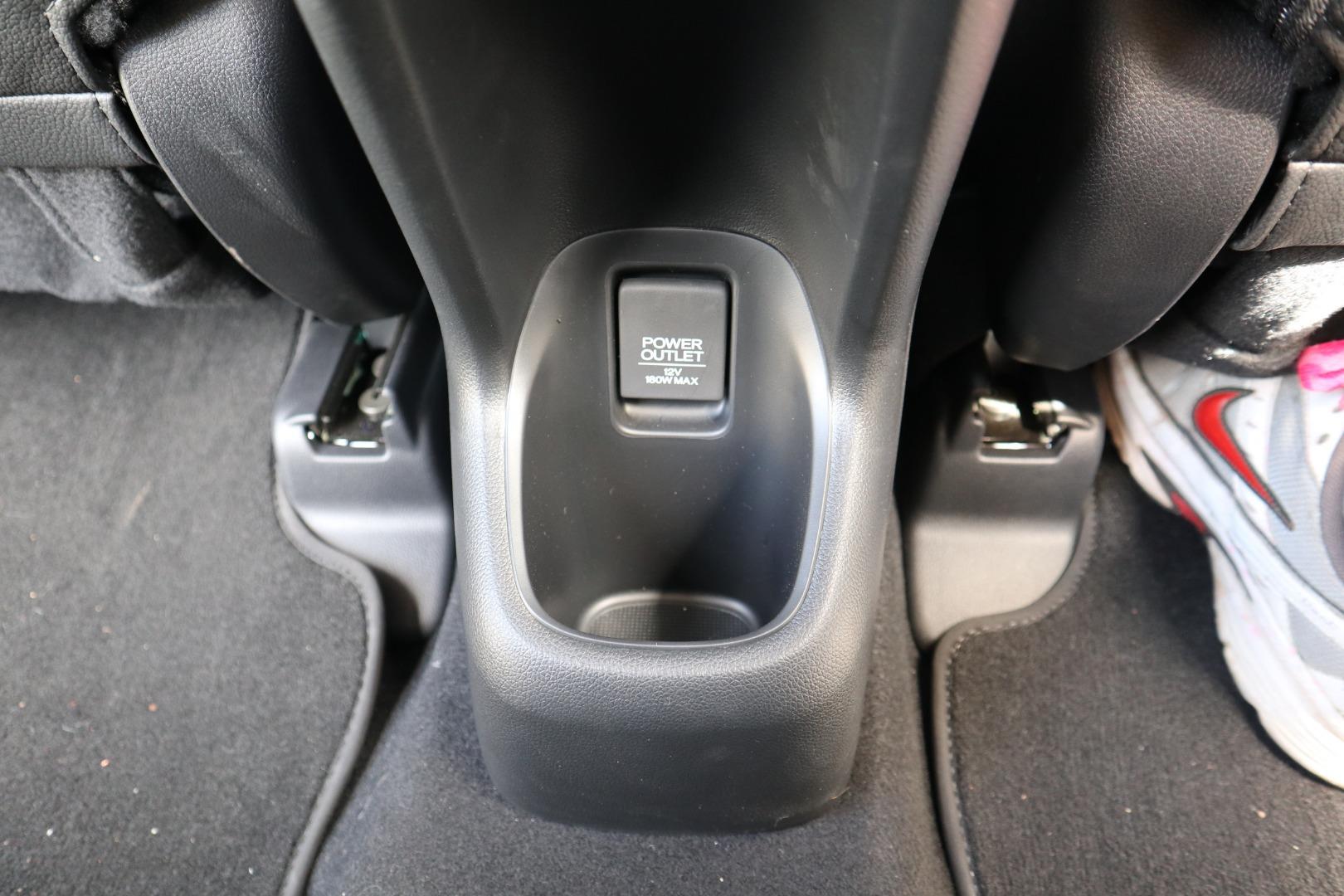
As for on-board storage solutions, there are enough storage spaces and binnacles for water bottles and other loose items. Leather seats are standard in the 1.8-litre model, and front seats have a heating function (Elegance variant).

Safety
Safety is a huge selling point in this segment of the market, and the HR-V doesn't disappoint. The HR-V gets six airbags as standard as well as traction/stability control. A rear-view camera is standard in the 1.8 Elegance model (parking sensors are standard across the board). ISOFIX child seat anchorage points are standard, and the rear windows are tinted to keep the kiddies cool.
Honda’ s trusted "Advanced Compatibility Engineering" (ACE) body structure ensures occupant safety in collisions by "maintaining the integrity of the passenger safety cell, while controlling structural deformation to absorb impact forces", says the Japanese automaker.
Related: Honda HR-V vs. Mazda CX-3; which is the best value for money?

Drivability, ergonomics, infotainment and fuel consumption
The latest iteration of HR-Vs can be had in 1.5 Comfort and 1.8 Elegance trim, both with a CVT "gearbox". While the CVT tends to be a bit noisy, you can use the flappy paddles for manual "gear changes". Driving the 1.8-litre model in town won't easily send your fuel consumption over the 8 litres per 100 km mark, and open-road driving will see the figure drop to the lower sixes, if you drive sensibly and make use of the green ECON button.
Related: HR-V vs. Nissan Juke vs. Renault Koloes: Best infotainment system
While Hondas are known for their good ergonomics and build quality, I wasn't too fond of the infotainment system. With the next facelift, I do hope Honda will implement some form of smartphone screen mirroring such as Apple CarPlay.
A less expensive alternative?
With our budgets taking a bit of punishment as things stand, you can still have access to the Magic Seat system, without forking out megabucks for a new, or even a used HR-V (It launched locally in 2015). Why not opt for a used Honda Jazz? There are plenty of Jazz models available in our sales section that cost R100 000 or less...
Recommended next
Top 3 things you need to know about the Peugeot 3008
Best used cars for R100k or less: Hatchbacks
Source: Honda South Africa