How to get car finance with bad credit in South Africa
The credit rating system in South Africa is designed to protect consumers and creditors alike by ensuring that folks with bad credit can't get any further into debt. If the consumer is on the path to repairing their bad credit but needs a big-ticket item like a car, there are ways and means to push for that credit.




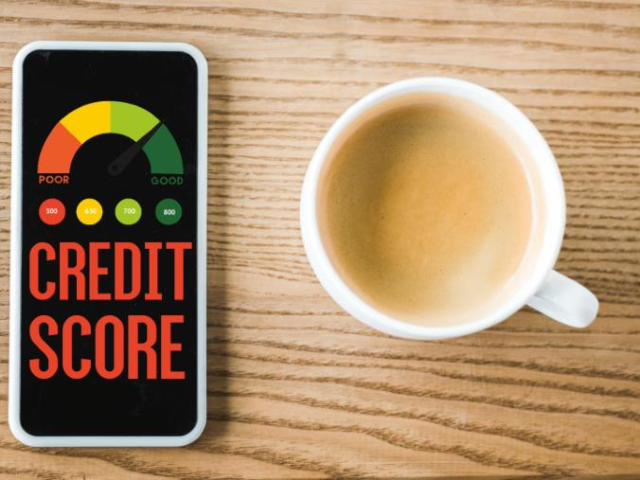
Your credit rating is the first thing any potential creditor will see when you apply. Any score under 650 is going to have financiers double-checking your application. Before trying to take out another finance agreement, it may be worth the self-reflection to determine how and why you ended up with bad credit in the first place. Managing your credit health is critical to any large-ticket purchase that must be financed over time. If your credit rating is bad, this will make those purchases exponentially more difficult and making them without understanding why your credit is bad will only make things worse.
Related: Where can you finance a car with bad credit?
But if you must make said purchase and have bad credit, there are ways and means. Getting car finance in South Africa with bad credit can be challenging, but it is not impossible. Lenders view you as a higher risk, so you will most likely face stricter terms and higher interest rates, and this is how you can try to make the finance application easier. The key to remember is that you will need some cash fluidity and be prepared to face a higher-than-normal interest rate.
What credit score is needed for car finance in South Africa

Strategies to Improve Your Chances of Approval
Save for a Larger Deposit
A substantial deposit reduces the loan amount, lowers the lender's risk, and demonstrates your financial commitment.
The larger the deposit, the better your chances of approval and potentially a lower interest rate.
Opt for a More Affordable Vehicle
Choosing a less expensive car reduces the total loan amount, making lenders more willing to approve the financing.
This also ensures your repayments are more manageable, a key factor in affordability assessments.
Shop Around for Lenders
Don't limit yourself to traditional banks. Different lenders have different criteria.
Explore finance options with dealerships, specialist lenders in the subprime market, or finance brokers who can compare multiple offers.
Caution: Be wary of predatory lenders with extremely high interest rates. Always read the fine print.
Consider a Co-signer/Surety
Having a relative or trusted friend with a good credit history who is willing to co-sign can significantly increase your chances of approval and secure better terms.
Important: If you default on payments, the co-signer becomes equally liable for the debt.
Be Prepared with Documentation and Affordability
According to the National Credit Act, lenders will assess your affordability (discretionary income).
Ensure you have all the required documents:
Valid South African ID/Smart ID.
Valid South African driver's license.
Proof of residential address (not older than 3 months).
Proof of income (latest payslip).
Bank statements (often 3 months).

Alternative Finance Options
Rent-to-Buy/Rent-to-Own Schemes
These schemes are often available to individuals with poor credit, those under debt review, or who are blacklisted, as they are not credit agreements.
You rent the car for a fixed period (e.g., 54-66 months) with the option to purchase it at the end of the term.
The monthly payment often includes insurance, tracking, and licensing.
Consideration: The total cost over the term can be higher than traditional finance.
Personal Loan (Unsecured)
If the car is older or being bought from a private seller, traditional vehicle finance may not apply. A personal loan can be used, but the interest rates are typically higher than secured vehicle finance because the car is not used as collateral.
You own the car from day one, but the high interest rate requires careful budgeting.
In-house Dealership Finance
Some dealerships offer their own finance options without going through a major bank. It's worth inquiring about their criteria for bad credit applicants.
Actions to Take Before Applying
Check Your Credit Report
Get a copy of your credit report from one of the significant South African credit bureaus (you are entitled to one free report per year).
Review it for any errors and dispute them immediately, as mistakes can negatively impact your score.
Work on Improving Your Credit Score
If you can wait, improving your score for a few months will get you a much better interest rate and lower monthly payments.
Strategies include: paying off small debts, always paying all your bills on time, and keeping your credit card utilisation low (ideally under 30% of your limit).
Calculate Affordability
Use online car finance calculators to estimate your monthly instalments.
Factor in the total cost of ownership, including mandatory comprehensive insurance for financed vehicles, fuel, and maintenance, and ensure your total vehicle expenses do not exceed about 20-25% of your gross monthly income.

In Closing
Life happens, and many things can force one's hand and drive you into bad credit: a death, divorce, job loss, or, for whatever reason, you lost an income that prevents you from servicing your debt. The credit rating system is there to protect you and the creditors. Black marks and default entries stay on your profile for seven years, so if you are on the road to recovery and repaying your debts, the system will pick it up and adjust your score monthly. Often, patience is the key here, and not running off and making more debt before you've fully recovered to a healthy credit score. Choose wisely and good luck!