Check before you buy
Buying a used car can be fraught with pitfalls if you are an unwary buyer. The process has become a lot easier with dealers and private sellers upholding their principles and only selling good used models. There are, however, still some unscrupulous sellers out there waiting to prey on unsuspecting buyers, but you can outwit them if you are keen-eyed and ready to spot issues.
Related: How to sell a used car in South Africa
You can avoid being taken advantage of if you follow a couple of simple rules and the guide below when buying a used car, whether from a dealer or a private seller. The critical thing to remember is not to get bullied into buying, and if anything sets off alarm bells, walk away.
How to check a car's service history

Vehicle History and Documentation
The first thing you should do is check the car's paperwork. Make sure that the registration is legitimate and the license is current. NEVER buy a vehicle without papers. Check the service history and whether there are any warranties or maintenance plans being transferred with the car. Use a VIN scan to verify the vehicle's details.

Exterior walkaround
Start by checking the window glass for cracks and chips. Ensure all the windows wind up and down. Run a magnet across the body panels to check for body filler. Check the door gaps to ensure the vehicle has not been in an accident. Keep an eye out for mismatched paint or a mix of old and new light lenses, as these are a dead giveaway of accident damage. Check the tyres for uneven wear, which could point to alignment issues. Also, ensure the tyres are the same brand and size on each axle.
Interior Inspection
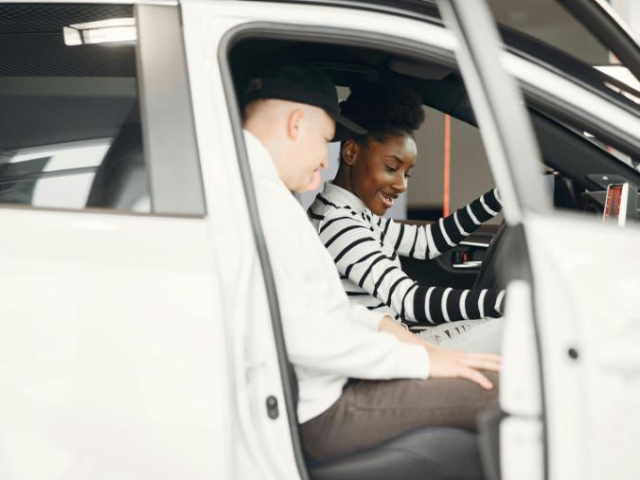
Give the interior a once-over for cracks, tears, and apparent damage. Check the seat bolsters for deformation. Note any odd odours, such as cigarette smoke or mould. These could be indicators of poor past ownership or a leak hidden somewhere that is allowing water inside. Check and test all the buttons and switchgear to ensure they work properly.
How to avoid Facebook Marketplace scams when buying a car

Engine inspection
The first thing to check is whether the engine starts easily and runs smoothly. Any abnormal noise or ticking sounds will reveal possible engine issues. Check fluid levels such as engine coolant, oil, and even wiper fluid, as this can tell you if the owner cared for the vehicle. Lastly, get down on the ground and check under the car for tell-tale leaks, such as oil and water.

Test Drive
Pick a route that will test as many aspects of the drive as possible. Look for hills and descents that can test power output and brakes. Drive at various speeds and listen for any abnormal noises, ticks, shudders, or hesitation. Be mindful of any warning lights on the dashboard. If anything worries you, walk away.
10 questions to ask when buying a used car