One of the first adult things you will do is buy a car. Very few folks have much money to buy their first car, so finding an affordable, reliable one is always a challenge. Cost and reliability go hand in hand, and although not always true, reliability will cost you, so finding that sweet spot is essential.
Related: What is the cheapest car to maintain in South Africa?
Buying a reliable car in South Africa without breaking the bank is less about finding the lowest price and more about minimising the Total Cost of Ownership (TCO). In 2026, with fluctuating fuel prices and interest rates, a cheap car can quickly become an expensive mistake if it's thirsty or prone to breaking down.
Is it cheaper to buy a car cash or on finance in SA?

Target the value sweet spot
Don't buy brand new, but don't buy scrap either. The best value is found in vehicles 3 to 5 years old.
Depreciation: By year three, a car has already lost about 35-40% of its original value. You’re letting the first owner pay for the new car smell.
Reliability: At this age, most modern cars still have manageable mileage (under 80 000km) and may have some of their original service plan or warranty remaining.

Choose the low-stress models
Stick to brands with massive footprints in SA. This ensures parts are cheap, mechanics know how to fix them, and resale value stays high.
| Category | Top Recommendations (2026) | Why? |
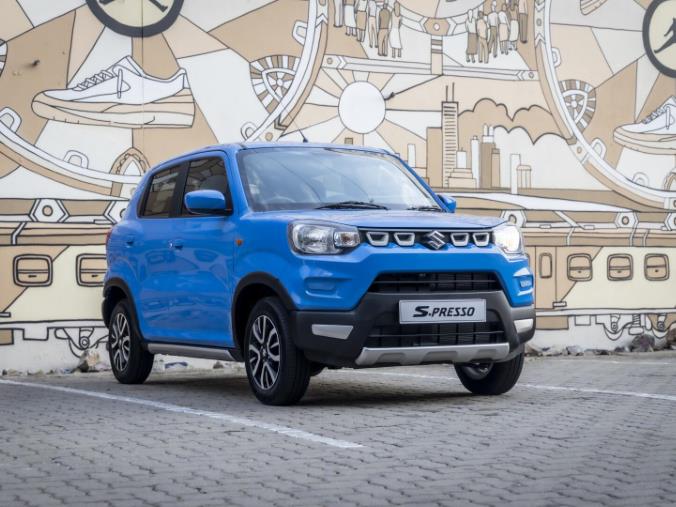
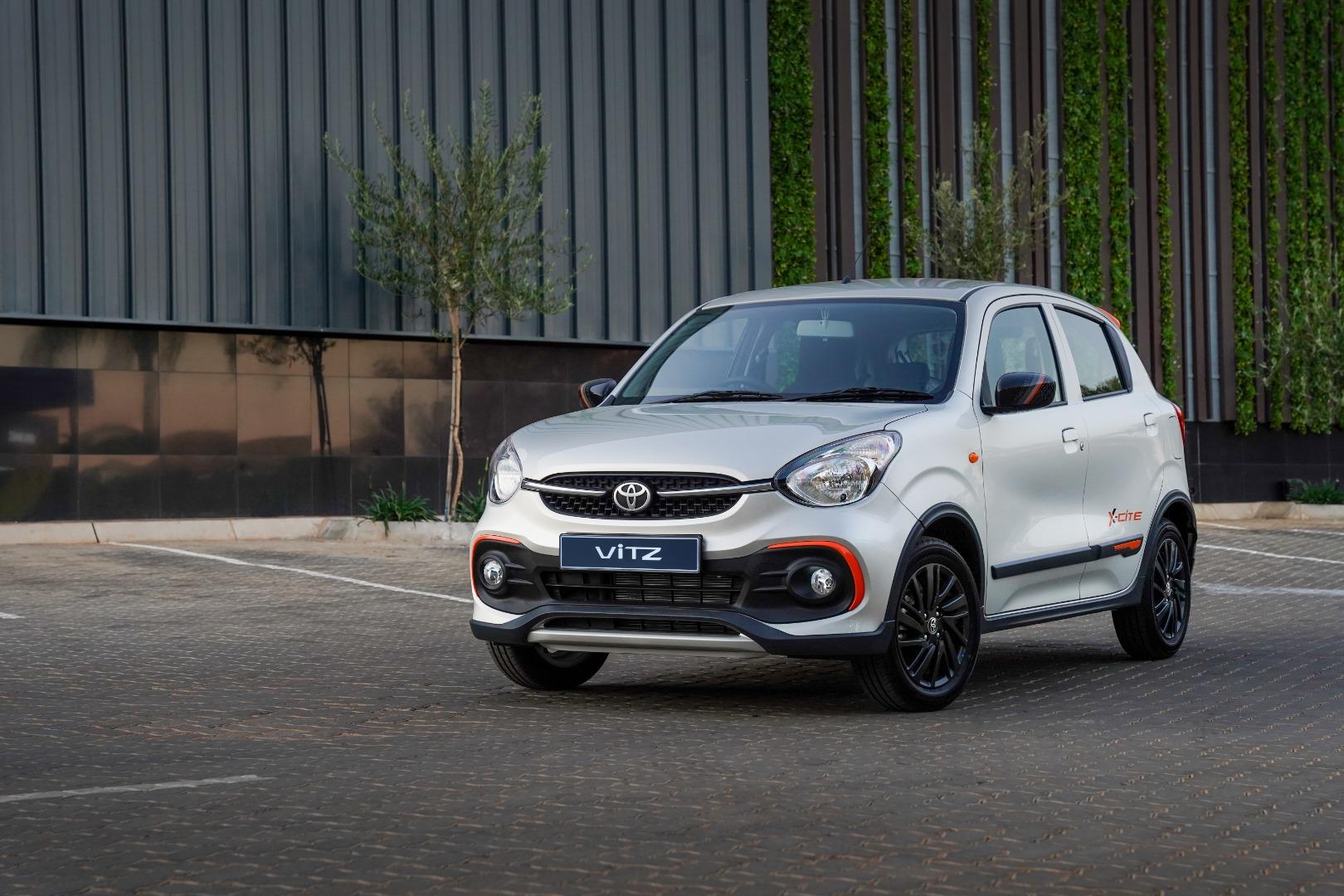
| The Budget King | Suzuki Swift / Celerio | Exceptional fuel economy (approx. 4.9L/100km) and bulletproof engines. |
| The Reliable Workhorse | Toyota Starlet / Etios | Massive parts availability; the "Starlet" is essentially a rebranded Suzuki Baleno (reliable & affordable). |
| The Urban Commuter | VW Polo Vivo | Retains value better than almost any other car in SA; every mechanic in the country can fix it. |
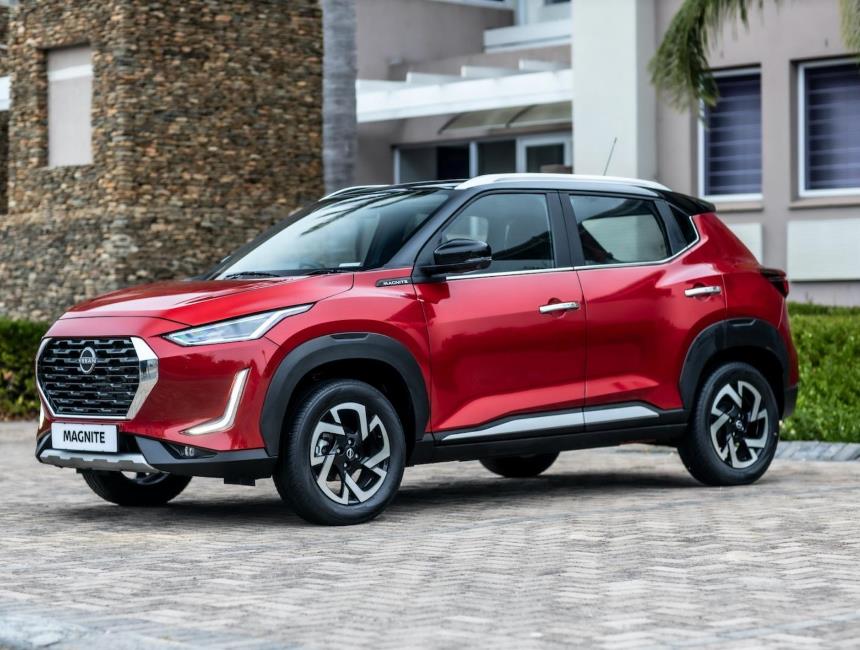
| The Practical SUV | Renault Kiger / Nissan Magnite | Newer to the market but offers modern tech and high ground clearance for SA roads at a lower price point. |
Verify before you buy
Never take a seller’s word for it. In SA, vulture sellers are common. Use these tools:
Service History: A Full Service History (FSH) is non-negotiable. If there are gaps, walk away.
DEKRA Inspection: Request a DEKRA Condition Report. It costs a few hundred Rand but can save you thousands by identifying hidden structural or mechanical issues.
VIN Check: Use services like FirstCheck or AA AutoFacts (around R20–R90) to check if the car has been involved in major accidents, is stolen, or has outstanding finance.
The Paperwork Check: Ensure the seller has the original NaTIS documents. If they don't have the original, they don't legally own the car, or it’s still under finance.
Factor in the hidden costs
The price on the window is not the price you pay. Budget for these extras:
Insurance: Compulsory if you finance. Get quotes for a Polo vs. a Suzuki—you’ll be surprised how much theft risk affects your monthly premium.
On-the-Road (OTR) Fees: Dealerships charge R4,000 to R7,000 for registration, plates, and admin. Negotiate this!
Maintenance Out-of-Warranty: Check the AA-Kinsey Report. It ranks cars by how much their "parts basket" costs. A cheap European luxury car can cost R20,000 just for a basic brake and spark plug service.

Financing vs. Cash
Pre-Approval: Get a quote from your bank before going to the dealership. This prevents you from being sold a high-interest in-house finance deal.
Avoid the "Balloon": Avoid balloon payments (residual values) if possible. They lower your monthly payment but leave you with a massive debt at the end of the term, often exceeding the car's value.
Pro Tip: If you're buying privately, always meet in a safe, public place (like a police station or a busy mall parking lot) and never carry cash. Use a secure instant EFT once the paperwork is verified.