Jetour T2 vs GWM Tank 300 vs BAIC B30: Which one has the lowest running costs?
The Chinese automotive segment has grown exponentially over the last few years, to the point that it is no longer really competing with legacy brands but competing with itself. We compare three popular SUVs to see which one has the lowest running costs.

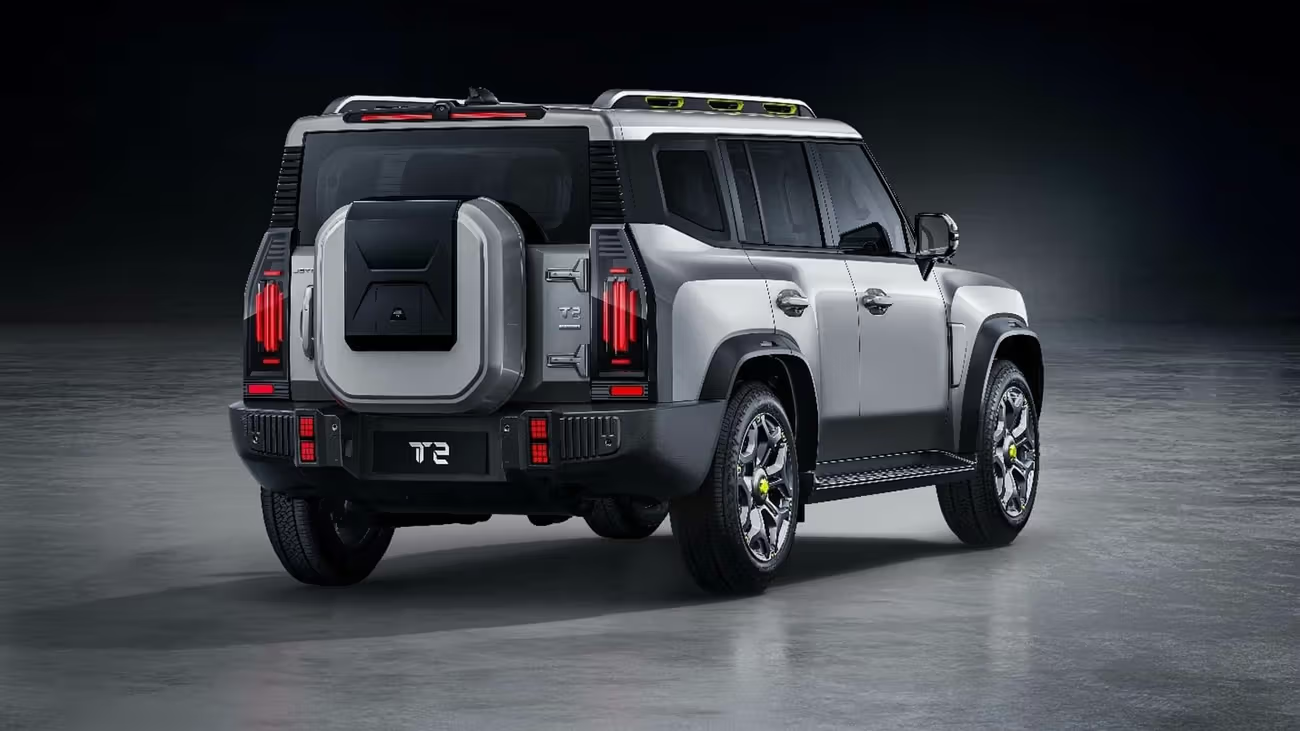
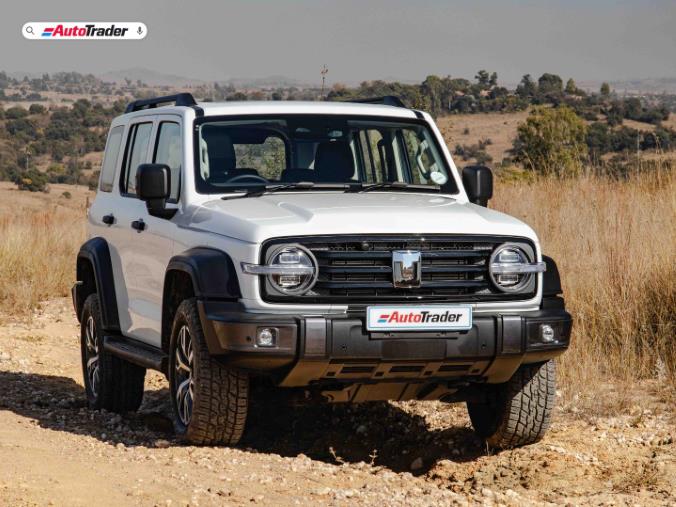

If you’re looking for the lowest running costs between these three rugged contenders, the answer depends heavily on how you plan to use them—specifically, whether you're commuting in the city or heading off-road.
Related: Should you buy a Jetour T2 in South Africa?
Based on current 2026 data in South Africa, here is how the Jetour T2, GWM Tank 300, and BAIC B30 compare in terms of fuel, maintenance, and warranty. However, each of these vehicles has a distinct sweet spot depending on how you plan to drive them. Here is the breakdown of running costs for 2026.
What is the difference between a Jetour T1 and a T2?
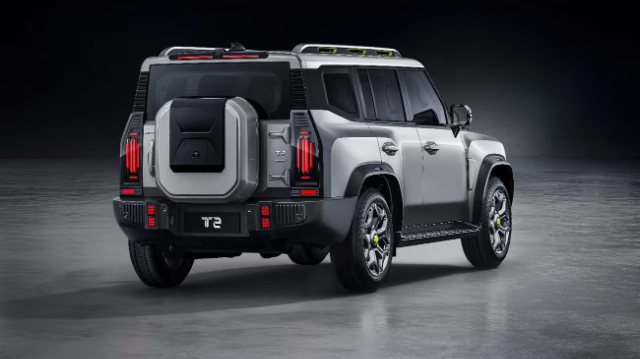
Models Chosen
We have selected mid-range models from Jetour and BAIC to compare with the entry-level Tank 300, as the price points for each model are so similar.
Price & Specs Comparison
| Feature | Jetour T2 2.0T Xplora XWD | BAIC B30e 1.5T HEV Elite | GWM Tank 300 2.4T Luxury |
| Price | R 639 900 | R 639 900 | R 649 900 |
| Engine Type | 2.0L Turbo Petrol | 1.5L Turbo Hybrid (HEV) | 2.4L Turbo Diesel |
| Drivetrain | All-Wheel Drive (XWD) | Front-Wheel Drive (FWD) | Rear-Wheel Drive (2WD) |
| Power Output | 180 kW | 246 kW(combined) | 135 kW |
| Torque | 375 Nm | 550 Nm (combined) | 480 Nm |
| Transmission | 7-Speed DCT | Dedicated Hybrid (DHT) | 9-Speed Automatic |
1. Fuel Consumption
The BAIC B30 HEV is the efficiency leader here. Because it uses a 1.5-litre hybrid system rather than the larger 2.0-litre turbo petrol and 2.4-litre turbodiesel engines found in the others, it saves significantly at the pumps.
| Vehicle | Engine Type | Claimed Fuel Economy | Real-World Expectation |
| BAIC B30 (hybrid) | 1.5T Hybrid | 5.85 – 6.45 L/100km | ~7.5 - 7.9 L/100km |
| GWM Tank 300 (diesel) | 2.4TD | 7.7 L/100km | ~8.8 - 9.2 L/100km |
| Jetour T2 | 2.0T Petrol | 9.3 L/100km | ~11.0 - 12.5 L/100km |
Winner: BAIC B30 HEV. The Jetour T2 and Petrol Tank 300 are notoriously thirsty, often hovering well into the double digits in stop-and-go traffic.
2. Maintenance & warranty
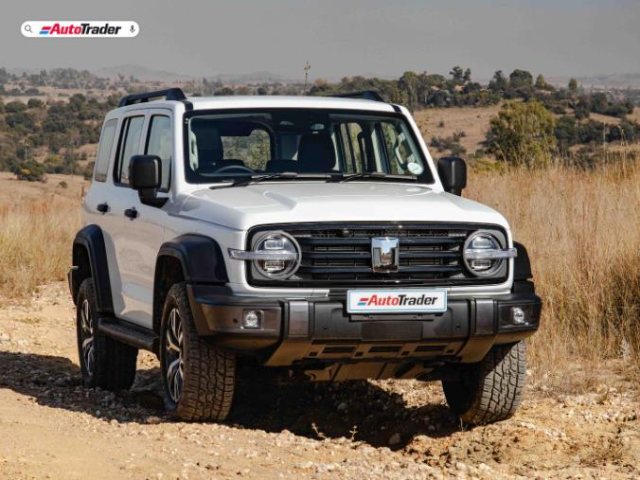
Maintenance costs are largely offset by service plans during the first few years.
BAIC B30: Offers a 7-year / 90 000 km service plan, a 7-year/200 000km warranty, and an 8-year/150 000 warranty on the hybrid battery and high-voltage components.
GWM Tank 300: Recently upgraded to a 7-year / 75 000 km service plan for 2025/2026 models, along with a 7-year/200 000km warranty.
Jetour T2: Comes with a 7-year / 75 000 km service plan, a 7-year/200 000km vehicle warranty and a 10-year/1.0-million km engine warranty.
Winner: It's a joint victory for BAIC and Jetour, as BAIC's service plan is better, but Jetour's overall warranty package is superior.

3. Insurance & tyres
Tyres: The Jetour T2 (Xplora) and B30 HEV Elite come with 19-inch wheels. Replacing 19-inch tyres is more expensive than the 17-inch set found on the Tank 300.
Insurance: The BAIC B30 HEV and Jetour T2 have the lowest purchase price at around R639 900, which generally results in lower monthly insurance premiums than a top-spec Tank 300, which, in 2.4T Luxury guise, is only R10 000 more in terms of outright price.
Verdict
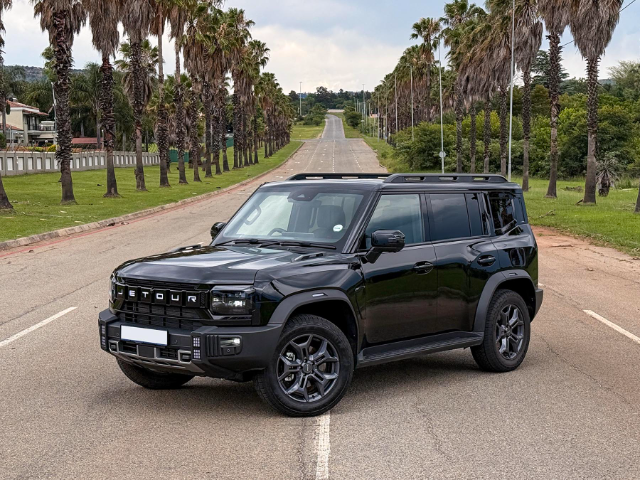
In the battle of the boxy Chinese adventurers, the BAIC B30 HEV currently takes the crown for the lowest running costs, primarily due to its superior fuel efficiency and lengthy service plan. The BAIC B30 Elite Adventure HEV. It combines a respectable price with the best fuel economy and the longest service plan (90 000 km). The GWM Tank 300 2.4TD is good for open-road driving and towing , as its diesel's torque and better fuel consumption make it cheaper to run than the thirsty petrol 4x4s. The Jetour T2 is a tech powerhouse, but its 2.0-litre turbo petrol engine and four-wheel-drive system, which are great in other areas, make it less impressive from a running costs perspective.