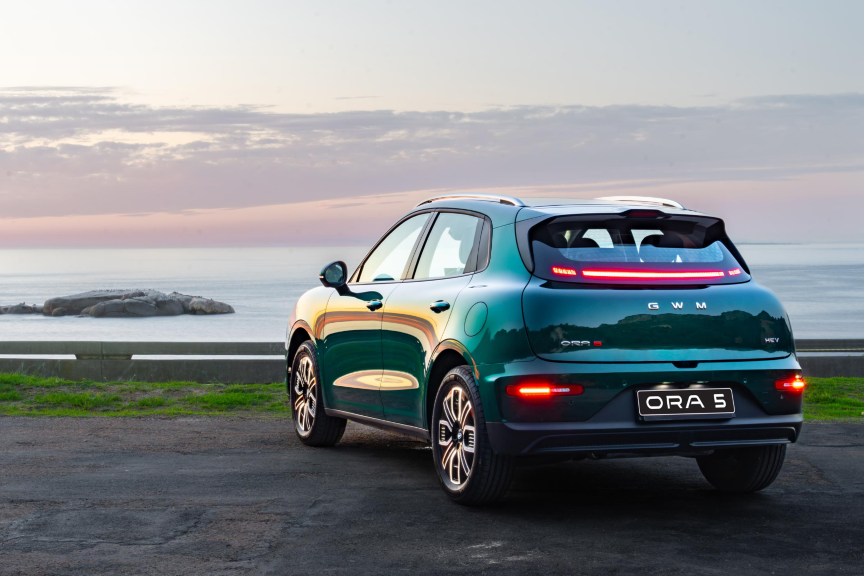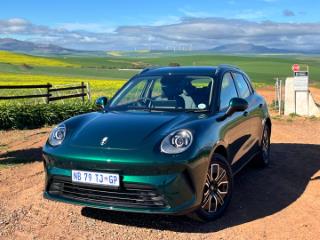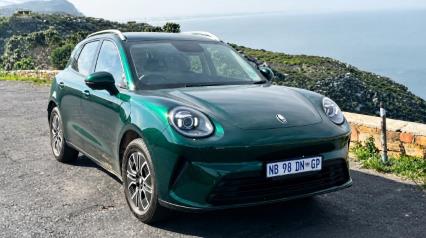


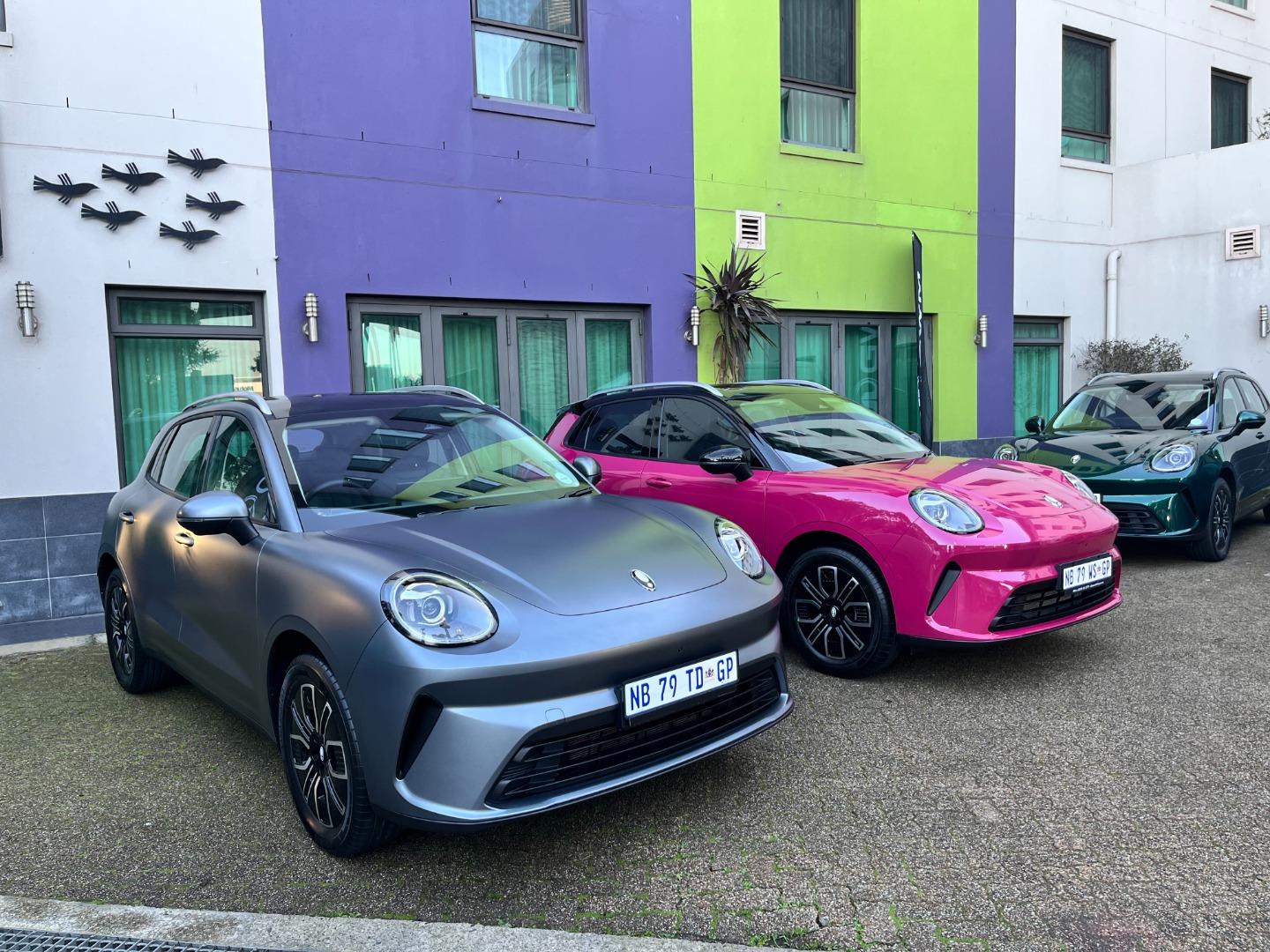
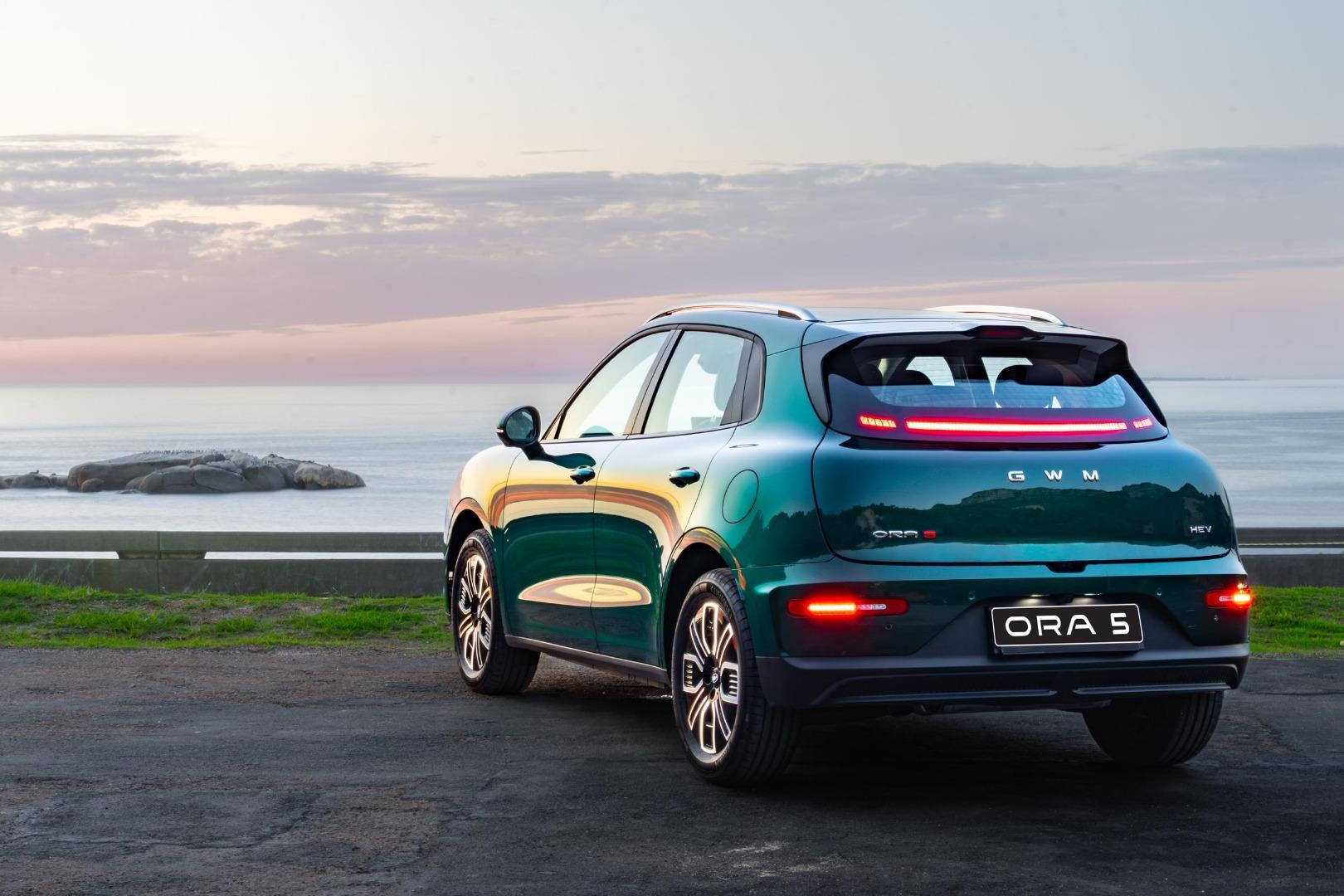
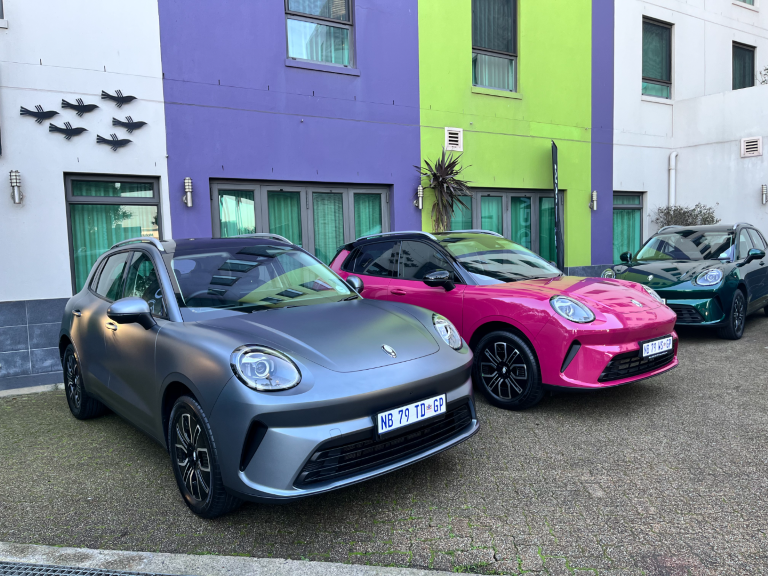
The GWM Ora 5 comes as three different cars under one name. This comparison covers the 'entry' Super Luxury trim of each: the Ora 5 1.5T Super Luxury at R364 900, the Ora 5 1.5T HEV Super Luxury at R424 900, and the Ora 5 EV Super Luxury at R549 900 (read our review). All three share the same body, size, and warranty. The only difference is what powers them, and what that costs you every month.
This article directly compares the monthly running costs, using both GWM's claimed fuel and electricity figures and real-world test results, so you can see exactly what each version costs to fill up.
At a glance
| 1.5T petrol | 1.5T HEV | BEV | |
|---|---|---|---|
| Price | R364 900 | R424 900 | R549 900 |
| Vehicle warranty | 7 years / 200 000 km | 7 years / 200 000 km | 7 years / 200 000 km |
| Battery warranty | — | 8 years / 150 000 km | 8 years / 150 000 km |
| Service plan | 7 years / 75 000 km | 7 years / 75 000 km | 7 years / 75 000 km |
All three are the entry Super Luxury trim: Ora 5 1.5T Super Luxury, Ora 5 1.5T HEV Super Luxury, and Ora 5 EV Super Luxury.
The three powertrains
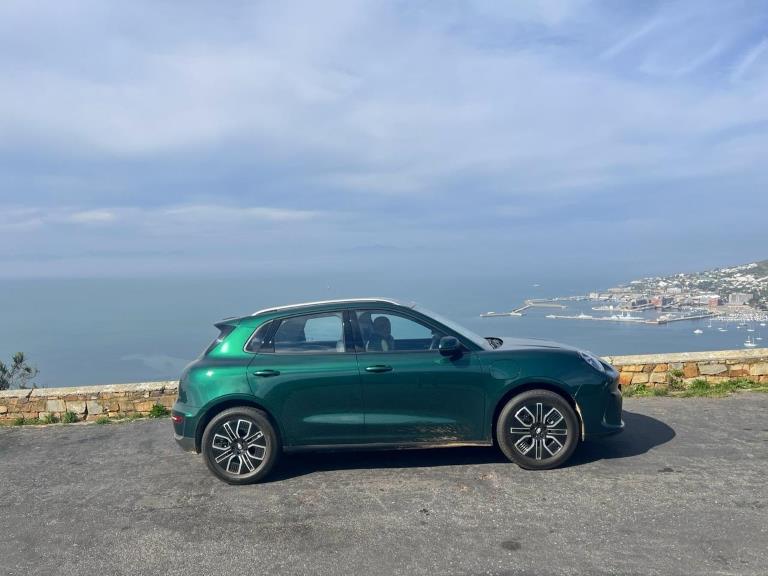
The Ora 5 1.5T Super Luxury has a turbocharged 1.5-litre four-cylinder engine making 105 kW and 210 Nm, driving the front wheels through a 7-speed dual-clutch transmission. GWM claims 6.9 L/100km combined. With a 55-litre tank, that works out to a claimed range of 797 km.
The Ora 5 1.5T HEV Super Luxury uses the same basic 1.5-litre turbo petrol engine, plus an electric motor and a small 1.09 kWh battery that charges itself as you drive. Combined output is 164 kW and 476 Nm, sent through a 2-speed Dedicated Hybrid Transmission. GWM claims 4.5 L/100km combined. With the same 55-litre tank, that works out to a claimed range of up to 1 222 km.
The Ora 5 EV Super Luxury has no engine. It uses a 150 kW electric motor powered by a 58.3 kWh battery. GWM claims 15.5 kWh/100km, for a claimed range of 520 km on the highly ambitious NEDC test cycle.
Claimed versus actual, everyday consumption
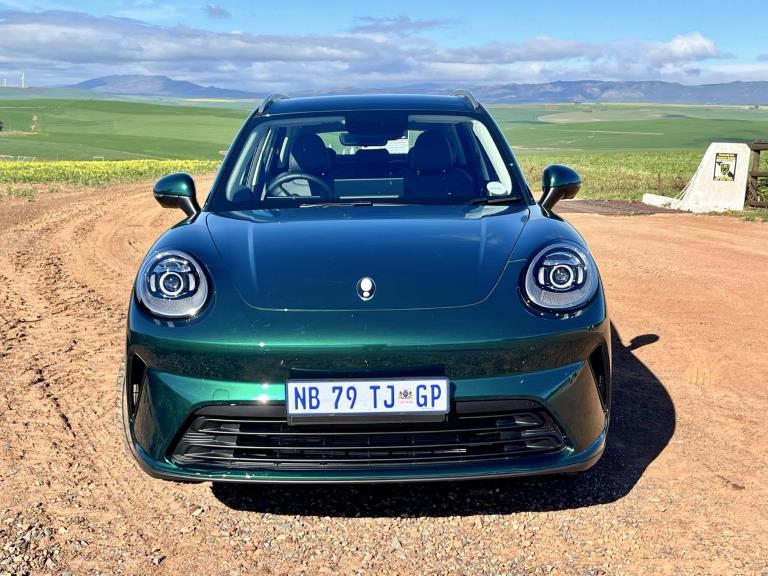
Manufacturer claims are tested under controlled conditions, so they rarely match everyday driving. To find out how far off each Ora 5 runs from its claim, we checked real-world test results for all three powertrains and ran our own real-world test on the BEV.
1.5T petrol: GWM claims 6.9 L/100km. Real-world testing measured 7.3 L/100km, only 0.4 L/100km above the claim. This was the smallest gap between claim and reality of the three.
1.5T HEV: GWM claims 4.5 L/100km. Real-world testing on a mixed urban and motorway route returned 6.3-6.4 L/100km, nearly 2 L/100km above the claim. Even at that higher figure, a full 55-litre tank still gets you about 859 km. But this was the biggest gap between claim and reality of the three.
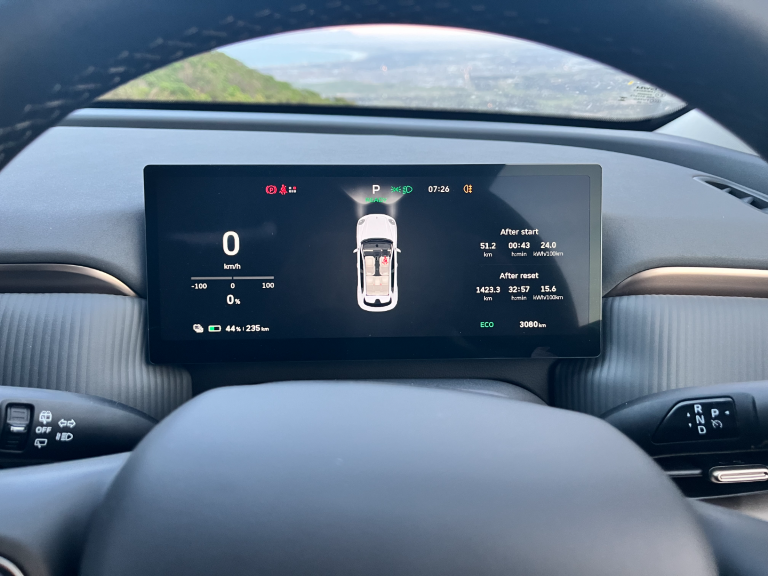
BEV: GWM claims 15.5 kWh/100km. Our own real-world test, over nine days of mixed driving in the Western Cape, measured 14.8 kWh/100km, better than the claim. Real-world range was roughly 450 km, but we drove sensibly. Of the three cars, the BEV came closest to matching its own claim.
What each one costs to fill up per month
The table below assumes 20,000 km a year, or about 1,667 km a month, the same distance for all three cars.
Fuel is priced at R26.17 per litre for inland 95 unleaded petrol. Electricity is priced at R3.56 per kWh on Eskom's standard Homepower tariff, and R1.91 per kWh on Eskom's off-peak Homeflex tariff. If you buy electricity from a municipality instead of Eskom directly, your rate will differ: Cape Town and Johannesburg both charge more per kWh than Eskom, while Durban charges less. The BEV running costs below will shift up or down depending on which of these you're on.
| 1.5T petrol | 1.5T HEV | BEV | |
|---|---|---|---|
| Price | R364 900 | R424 900 | R549 900 |
| Claimed consumption | 6.9 L/100km | 4.5 L/100km | 15.5 kWh/100km |
| Real-world consumption | 7.3 L/100km | 6.4 L/100km | 14.8 kWh/100km |
| Monthly cost (claimed) | R3 010 | R1 963 | R920 (Eskom home) / R494 (Eskom Homeflex) |
| Monthly cost (real-world) | R3 186 | R2 792 | R878 (Eskom home) / R471 (Eskom Homeflex) |
What these numbers mean for your decision
Petrol versus HEV: On GWM's claimed figures, the HEV cuts your monthly fuel bill nearly in half compared to the petrol model, a R1 047 saving, for R60 000 more up front. Using real-world figures instead, the monthly savings drop to R394. The HEV still costs less to run than petrol every month, and it goes further between fill-ups, but the savings are much smaller than GWM's claim suggests.
Petrol or HEV versus BEV: The BEV is cheaper to run than both, whether you use claimed or real-world figures. Charging at home on Eskom's standard tariff costs about a third of what it costs to fill up the petrol model over the same distance, and less than a third of what the HEV costs to run. Charging on Eskom's off-peak Homeflex tariff costs even less.
One added cost for the BEV: GWM does not include a home wallbox charger. It comes with a 220V three-pin cable only, which is too slow for daily charging and is meant for occasional top-ups. Installing a proper 7 kW wallbox costs R12 000 to R18 000. Add that to the BEV's purchase price when working out whether its running-cost savings are worth the extra R125 000 over the HEV.
On load-shedding: this is no longer the risk it was for EV owners a few years ago. South Africa has gone over 400 days without load-shedding as of mid-2026, and Eskom's own winter outlook for 2026 predicts this will continue. There's no guarantee it stays this way, but it's a much smaller concern today than it would have been in 2022 or 2023.
However, some provinces still have regular power outages (ask me, I live in the Overberg area, where this is prevalent), so even if we're now unperturbed by load-shedding, one could still be without power for several days due to the weather or maintenance issues.
Additional ownership costs to factor in
Additional ownership costs to factor in
- Tyre wear and replacement costs: The BEV carries a heavy battery pack and delivers instant torque to the front wheels, which can accelerate tyre wear up to 20% to 30% faster than on the petrol model. EV-rated or high-load-capacity replacement tyres also command a higher price tag than standard passenger-vehicle tyres.
- Higher monthly insurance premiums: Comprehensive insurance is calculated primarily on a vehicle's replacement value. Insuring the R549 900 BEV will command a noticeably higher monthly premium than insuring the R364 900 base petrol model, which steadily eats into your monthly energy savings.
- Finance repayments and interest: The price gap between the base 1.5T petrol model (R364 900) and the BEV (R549 900) is R185 000, while the hybrid sits R60 000 above the base petrol. Financing these higher purchase prices over a standard 54- or 72-month loan adds significant monthly bank repayments and total interest, offsetting modest fuel savings.
- Braking and wear-and-tear maintenance: All three models come standard with a 7-year/75 000 km service plan, but mechanical wear differs over time. The hybrid and BEV utilise regenerative braking to slow the car down and feed power back to the battery, which dramatically extends brake pad and disc life compared to the conventional friction brakes on the petrol model.
- Home wallbox unit and installation: GWM includes only a 220V three-pin cable, which is meant for slow trickle charging. A dedicated 7 kW home wallbox unit costs around R7 000 to R8 000. At the same time, certified electrical installation and a Certificate of Compliance typically add another R5 000 to R10 000+, bringing total upfront charging setup costs to between R12 000 and R18 000.

Which one should you buy?
- Buy the 1.5T petrol if you want the best overall value. Between the lowest purchase price, cheaper monthly finance repayments, lower insurance premiums, and zero charger setup costs, it remains the absolute cheapest way to own an Ora 5 overall.
- Buy the 1.5T HEV for extra power and long range, not for budget savings. While it uses less fuel than the entry petrol model, its small monthly fuel savings (~R394) won't offset the roughly R1 126 higher monthly finance repayment on its R60 000 price premium (based on the current 10.5% prime rate over 72 months). Choose this model if you want 164 kW of power and over 800 km per tank.
- Buy the BEV if you drive high annual mileage and plan to keep it long term. Its daily charging costs beat fuel costs by a wide margin. Still, you need significant mileage and a longer ownership period to offset the R185 000 purchase-price premium (which adds roughly R3 472 per month in finance costs), home wallbox installation, and higher insurance premiums.
If you'd like more about what it's like to drive the hybrid, please read our first drive review of the Ora 5 1.5T HEV Super Luxury.