New Energy Vehicles are becoming more commonplace in South Africa. Charging infrastructure has steadily increased along South Africa's major routes, in towns, and elsewhere. Also, many electric vehicle manufacturers now offer home charging solutions to make electrified vehicle ownership much more convenient. So surely the prospect of owning an electric car or plug-in hybrid seems more appealing now? Not too long ago, no. South Africa's electrical grid, as many of you reading this have experienced, was compromised by power cuts due to grid collapse. That has changed now with Eskom's newfound electrical grid stability, and it has brought back the conversation of home EV charging. How has this dynamic changed?

What's going on with Eskom in July 2026?
Eskom has been licking its wounds and getting back on its feet after crippling load shedding. Recently, the electricity provider celebrated 420 days without load shedding and a 53% decrease in average unplanned outages. The recovery is steady, though, thanks to the Generation Recovery Plan, which ensures ongoing efficiencies to return the grid to stable operations and even maintain additional system capacity.
Eskom's total current winter peak usage is at over 28 000 MW, against the available 32 231 MW.
The average unplanned outages declined to 8 396 MW, compared to 13.619 MW during the same time last year showing a reduction of 5 223MW with 3 530 MW in cold reserve due to excess capacity. However, Load Reduction is currently being worked on. Load Reduction, if you didn't know, is targeted, localised power cuts in which, if an area exceeds an electricity threshold, its power is cut until usage is reduced. As time goes on and generating capacity increases, the Load Eradication Programme has removed five provinces (Mpumalanga, joining the Western Cape, Northern Cape, Free State and North West) and over 1 million Eskom customers from load reduction. Diesel was used selectively during peak-demand periods to maintain reserves, and winter power generation appears positive.
So we can at least confirm that the electricity grid is stable. Still, we're not out of the woods here: according to the National Energy Regulator of South Africa (NERSA), electricity tariffs have increased by 8.76%, effective from 1 April 2026, for direct Eskom Customers.
How does this affect your home EV charging, though?

Current EV Home Charging Costs?
There isn't an easy one-and-done way to calculate EV home charging costs, as you have different tariffs and power supplies to contend with, and you have to consider factors such as grid, home battery, or solar-based electricity. For the tariffs you're dealing with, you'll need to refer to Eskom's residential tariff book, which includes the Homepower, Homeflex, and Homelight plans. Homeflex is a typical one.
Homeflex tariffs, for example, look at the price per unit of electricity and usage, which depend on the time of day and season. Times of usage, as you can see, also come into play here, as with most people, they'll be charging overnight, so during Eskom's offpeak hours (22h00 - 06h00 weekdays and all day during weekends and public holidays)
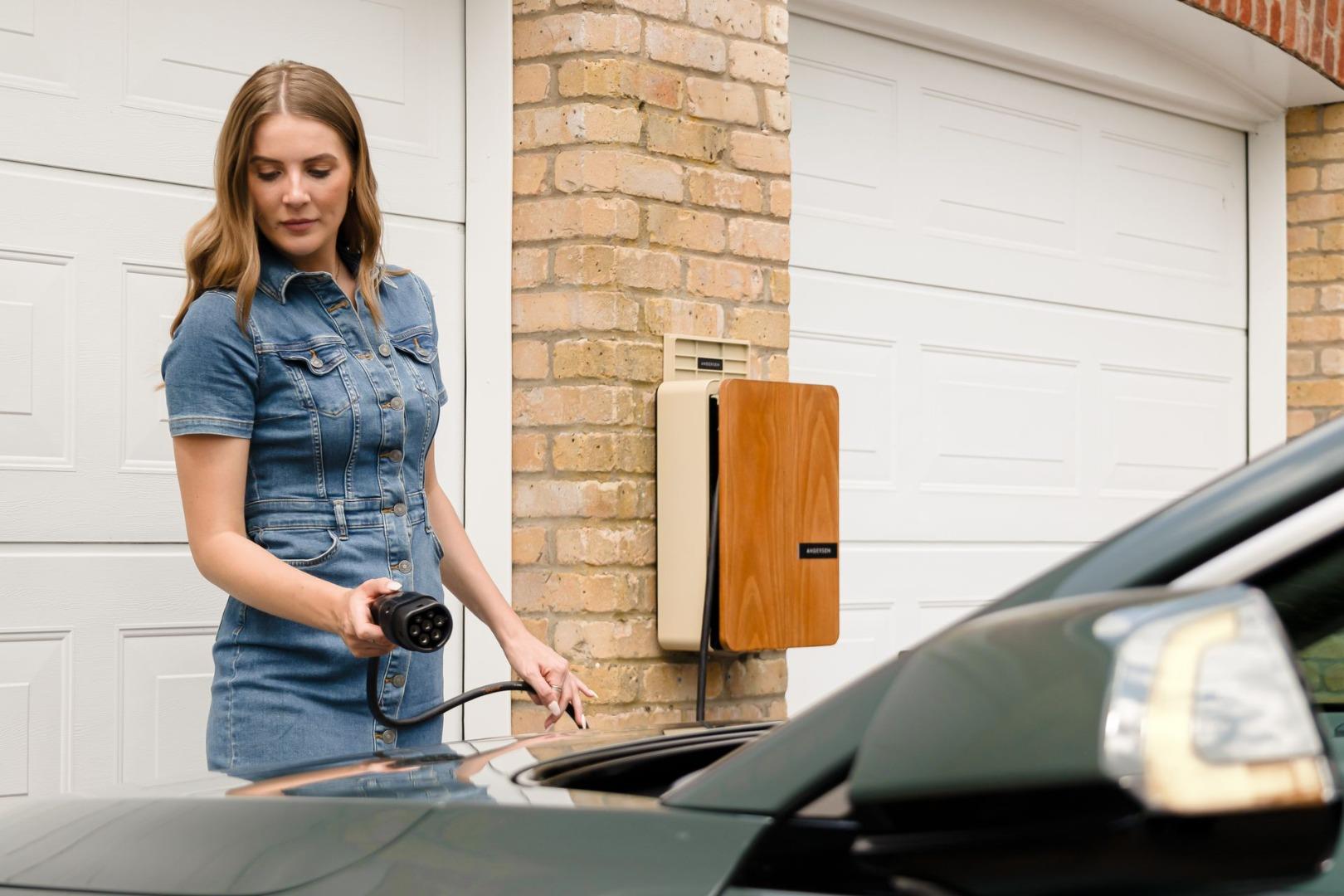
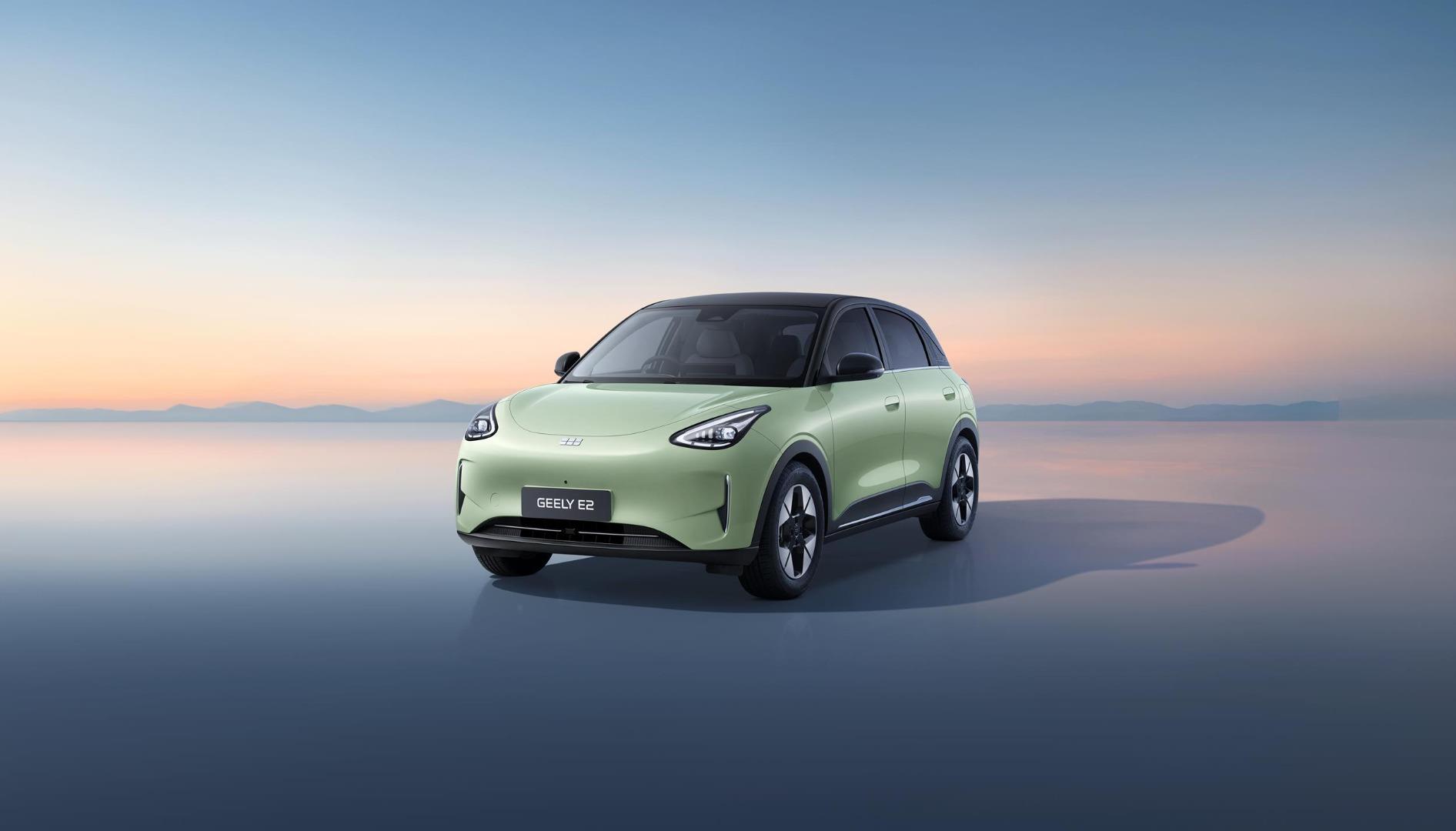
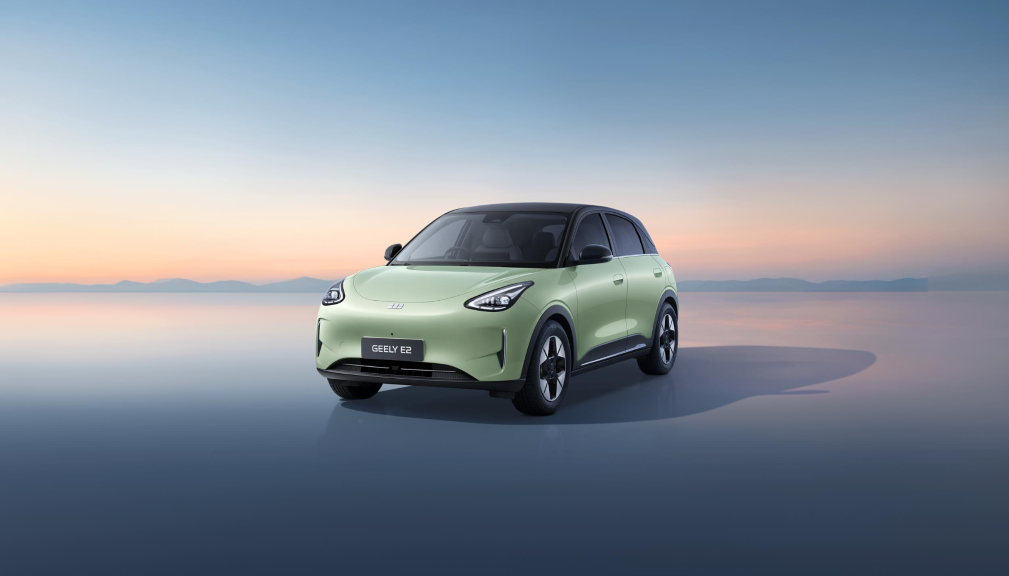
For our calculation example, the 8.76% increase has been factored in based on the updated Eskom tariffs; we'll use the Homeflex tariffs and look at both high- and low-demand seasons. Since the vast majority of EV Owners with a home charger typically charge during off-peak hours, we'll use the Homeflex off-peak rates. Let's use South Africa's cheapest brand-new EV at the moment, the Geely E2 in Aspire guise, with a 39.4 kWh battery, charging from 10% to 100%. Using a standard 7 kW home wallbox, it's claimed the E2 will take 6.5 hours to charge to full. You'll need about 35.5 kWh of charge.
Pre-Tariff Increase (2025-2026)
| Scenario | Rate | Total Cost of Charge |
| Low Demand Season (September to May) | R1.83 /kWh (183.15 cents)incl VAT | R64.97 |
| High Demand Season (June to August) | R1.83 /kWh (183.15 cents)incl VAT | R64.97 |
Post-Tariff increase (Present)
| Scenario | Rate | Total Cost of Charge |
| Low Demand Season (September to May) | R1.91 /kWh (190.83 cents)incl VAT | R67.81 |
| High Demand Season (June to August) | R1.91 /kWh (190.83 cents)incl VAT | R67.81 |
This is solely on grid electricity. If you were to charge your car with solar electricity, your solar hardware costs would generally be incurred, and that's it. For the Home Battery, you have to charge it via the grid, so the cost of battery replacement is a factor to consider.
There are many ways to cut this cake. It all depends on your electricity situation, charging habits, and more.
Conclusion
In the current state of affairs, it's still cheaper to run an EV than an internal combustion equivalent. The issue with home charging, though, is that it's subject to tariff hikes. From our calculation above, we saw a R2 increase in the total charge cost. Tariff hikes affect the total charge, but in this instance, marginally so. However, massive hikes have occurred in the past, leading to significant jumps in the total cost. All of this means you'll need to plan your trips, charge more, and budget for electricity at the end of the month, depending on your habits.
With the Load Reduction restrictions lifting in several provinces, high-demand provinces like Gauteng still pose issues in some areas. However, this restriction applies only during peak electricity hours from 05h00 - 09h00 and from 17h00 - 22h00, when you're only allowed a maximum electricity usage of 2.3 kW on single-phase power. At that wattage, charging an EV on a home wallbox, let alone a socket, will have too much draw.
As the restrictions lift, the grid stabilises. EV charging becomes more accessible at home if you have the infrastructure, or perhaps a townhouse complex with built-in chargers. It is proving to be a more affordable means of mobility, but it still has a long way to go before it's more convenient than simply filling up a tank.