
Chevrolet Orlando vs Toyota Avanza vs Datsun Go+: Which cheap used MPV has the lowest running costs?
Shopping for a used, bargain-priced compact MPV isn’t an easy task in South Africa, as this body style was never hugely popular on local soil. There are some options in the marketplace, however, with the Chevrolet Orlando appearing to be a rather enticing possibility. We decided to compare a used Orlando with two alternatives, to see which one will have the lowest running costs.


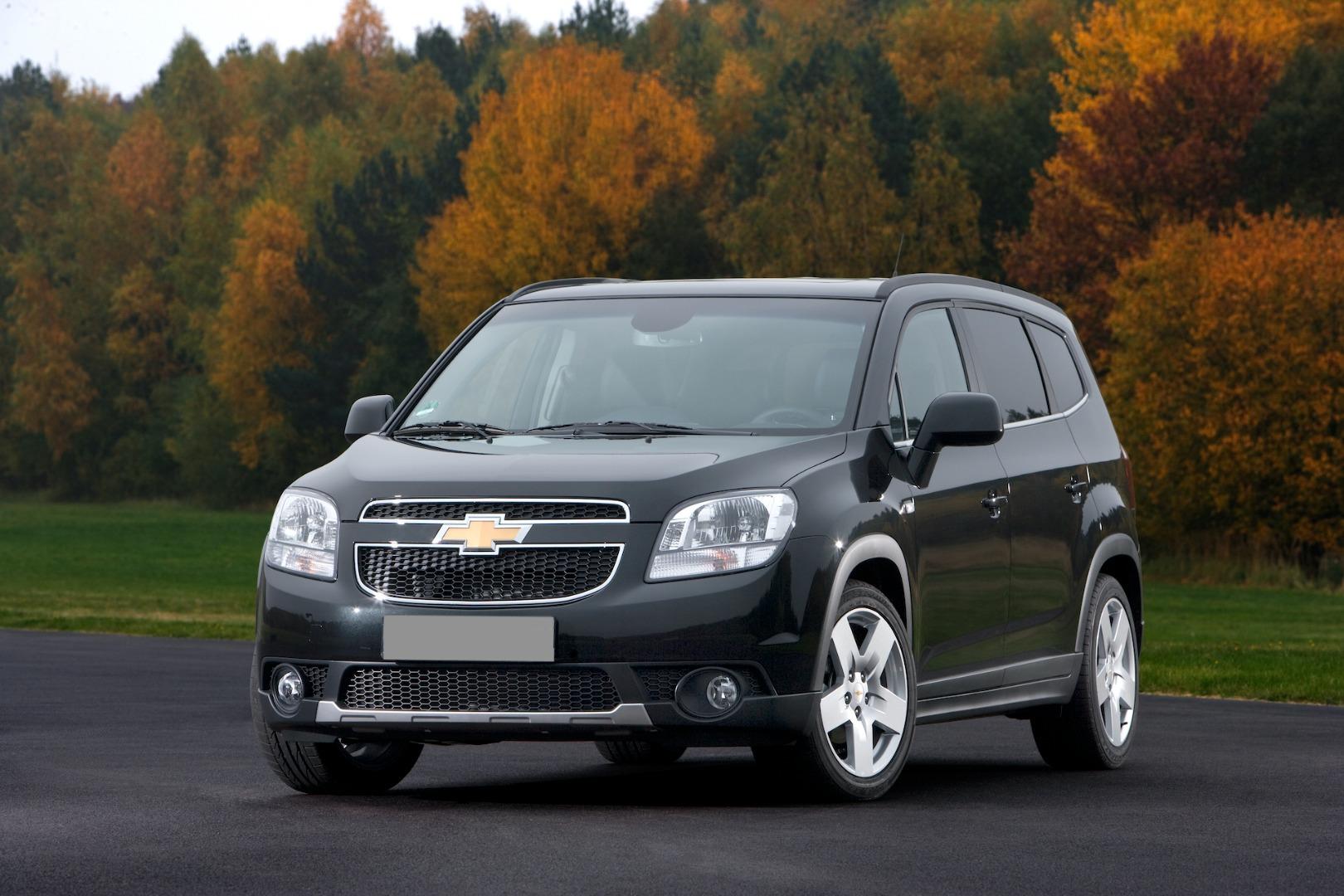
Seeing as most of the Chevrolet Orlandos currently listed on AutoTrader are priced below R 150 000, we decided to set this as the upper price limit for this comparison, with a maximum of 120 000 km on the contenders’ odometers. With the newest Orlando on site dating from 2015, we added this age parameter to our MPV search terms as well. Two viable opponents were found in the Toyota Avanza and the Datsun Go+, both of which are still available new at the time of writing.
Can you pre-determine your car’s running costs?
When considering a car’s running costs, it’s important to look at it over its entire life-cycle. This allows third or fourth owners of older cars to get a clearer picture of possible future expenses, and it can help first owners to determine at what age their cars may become too expensive to run.
There are certain key points which could give an idea of a car’s general upkeep requirements. This includes the length of the service intervals, the cost of replacement tyres and service- and maintenance parts, and the prices of service parts. However, because we’re considering three rather elderly used cars today, the longer-term implications take precedence.
Let’s meet the contenders
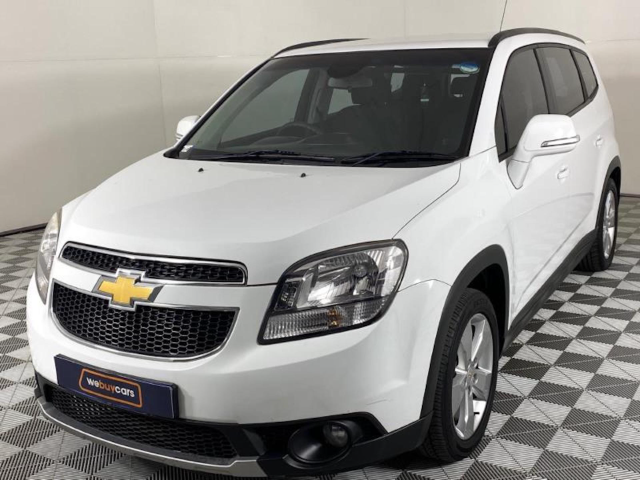
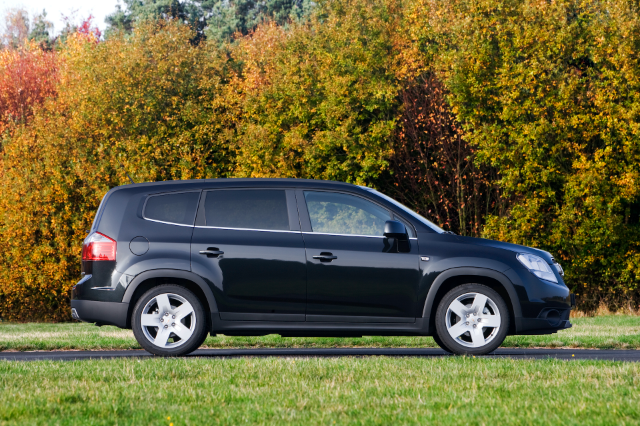
Chevrolet Orlando 1.8
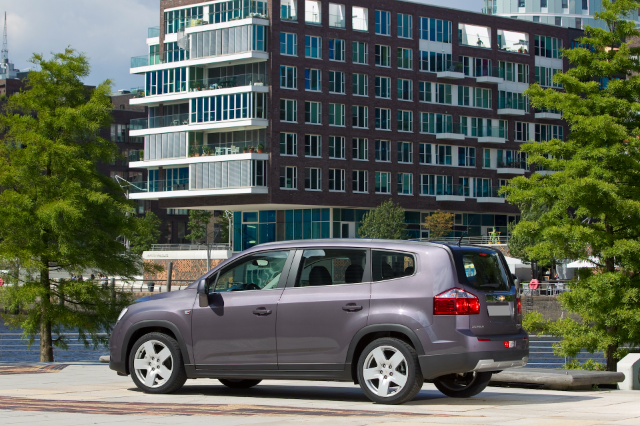
This model was never a huge success in South Africa, and it was quietly abandoned by its maker about two years before General Motors unexpectedly quit the South African market in 2017. As a result, the newest Orlando we could find dates from 2015, with most examples being even older.
Powered by a 1.8-litre engine that produces 104 kW and 176 Nm, the 1.6-ish ton Orlando will never win any traffic light grands prix, but it will carry 7 occupants in reasonable comfort. It’s quite well-equipped for its era, and offers most of the creature comforts we take for granted these days.
Related: Shop for used Chevrolet Orlando cars for sale here.
Toyota Avanza 1.5
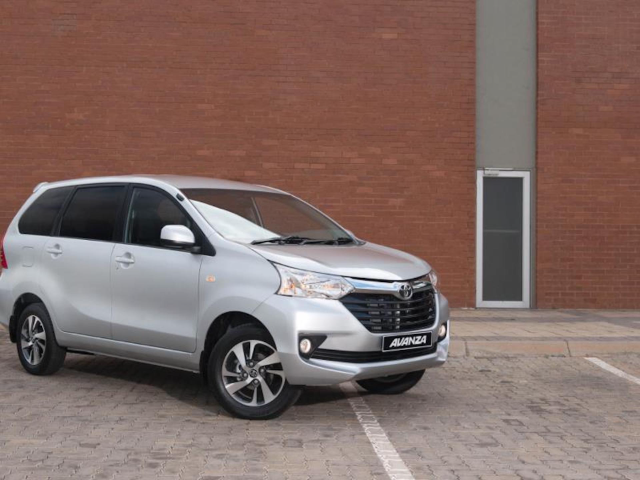
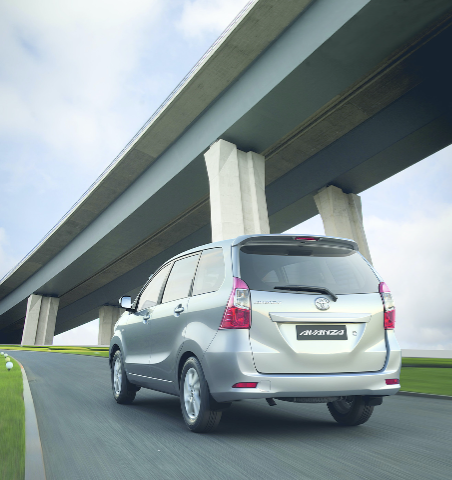
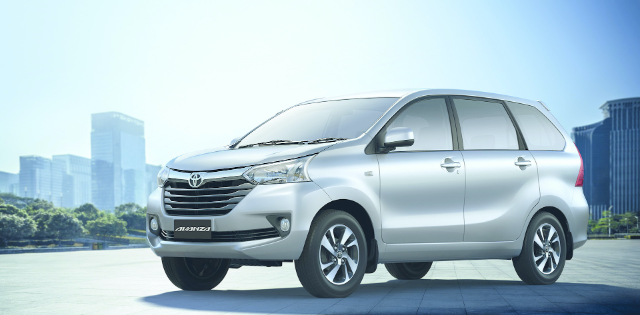
We’ll evaluate the higher-spec 1.5 Avanzas here, for two reasons: The entry-level 1.3-litre engine is really underpowered, and up-level TX trim at least gets some comfort equipment to compensate for the general malaise that driving an Avanza brings.
It’s the only rear-wheel drive vehicle in this comparison, and it’s clearly derived from a commercial vehicle, so expect a pretty archaic driving experience. There’s 77 kW and 137 Nm on tap from the engine room, and very short gearing gets a 1.5-litre Avanza moving with reasonable conviction, but at the cost of high engine speeds (and thus lots of engine noise) on the freeway.
Related: Shop for new and used Toyota Avanza cars for sale here.
Datsun Go+ (From 2018-on)
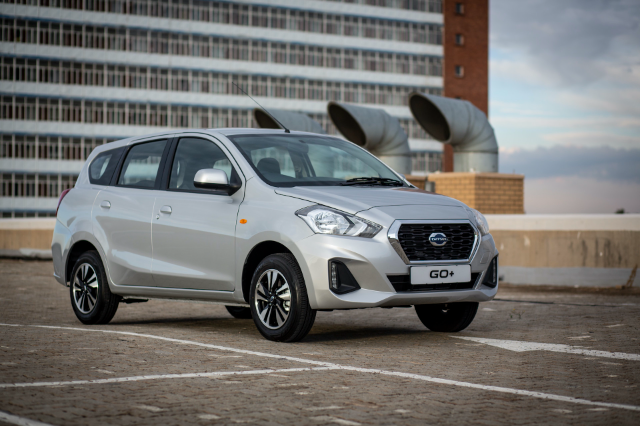
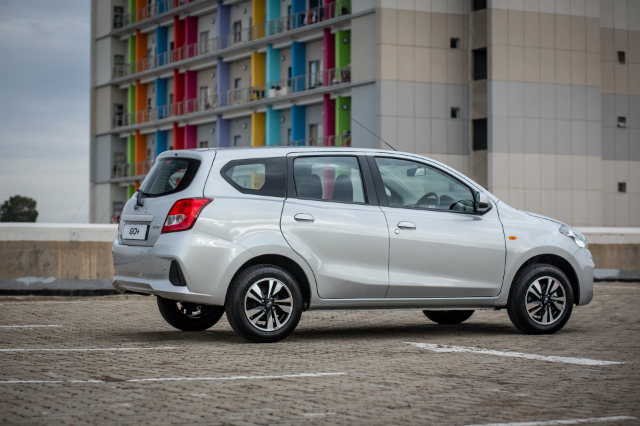
While there are plenty of Go+ examples on site priced far below our R 150 000 price barrier, those are generally of the pre-facelifted version. But the 2018 facelift brought numerous improvements to the inexpensive Datsun 7-seater, so we’ll be concentrating on newer ones instead.
Motive power is provided by a 1.2-litre, 3-cylinder engine, that delivers 52 kW and 102 Nm for predictably slow performance. It is the slowest car here, but it’s also the newest among these used cars, and that may just become a key factor in this comparison.
Related: Shop for new and used Datsun Go+ vehicles for sale here.
Which one has the lowest running costs?
Purchase price and depreciation
Seeing as we selected our contenders based on price, there’s no clear advantage for any one of them either way. However, their depreciation does show some differences, so that will become our focus in this department.
First up is the Orlando, where a used 2015 example retains only 52% of its new-car price after 6 years. The chances are that this value will remain relatively constant for the next few years, before plunging off the final depreciation cliff and heading to the breaker’s yards.

The Avanza tells a different story, thanks to its ubiquity and reputation for a long service life. The 2015-vintage Avanzas listed on site still retail for more than 70% of their new-car values, and their longevity should ensure that their resale values won’t drop much lower in the near future.
In contrast, the (somewhat newer) Datsun Go+ variants we selected still retain upwards of 80% of their new-car values, mainly because its medium-term depreciation is still to stabilise. However, thanks to this model’s relative popularity and the fact that they still have OEM warranties in place, we’d predict that a used 2018 Go+ should remain around this resale value for at least the next two years, making it our depreciation king (in this context).

Instalments for a car with a market value of R 150 000
List price: R 150 000
Instalment: R 2 500/month
*Calculated according to the AutoTrader Car Finance Calculator, with a 72-month finance agreement, 10% interest rate, 10% deposit, and no residual value.
All prices listed in this article were accurate at the time of publication, but may change without prior notice.
Fuel efficiency
Because it’s the heaviest car here and packs the most power, it’s fairly logical that the Chevrolet Orlando should post the highest claimed fuel consumption figure of 7.2 ℓ/100 km. The much-lighter Toyota Avanza slots into second place, with a claimed average consumption of 6.3 ℓ/100 km, while the Datsun Go+ (manual) is claimed to need only 5.5 ℓ/100 km.

On-road results may vary according to driving style and operating conditions, but seeing as we’re using official figures as the means of comparison, the Datsun Go+ walks away with another category win here.
Related: Which engines have the best efficiency?
Warranties and maintenance- or service plans
The only car here to still feature some remaining OEM warranty is the 2018 Datsun Go+, which enjoys cover for 6 years or 150 000 km. That’s far above our mileage cap, so most of the vehicles in our listings will have some of its manufacturer’s warranty left. Forget about maintenance- or service plans on any of these cars, though. The only way to get any sort of service plan would be to finance it with the car’s purchase.
Related: What is usually covered under a manufacturer’s warranty?
Parts prices
Yet another win comes the Datsun’s way in this department, because it’s been shown to have a very affordable parts basket price in the 2020 AA Kinsey Report. This statement depends on two assumptions: That the Go+ will have a similar parts basket price to the mechanically-identical Go, and that the Toyota Avanza’s parts basket should cost about the same as that of the mechanically-related Toyota Rush – both of those cars were evaluated in the AA Kinsey Report, and the Go came out on top.
The Chevy runs up against some notable obstacles in this department. It stems from an orphaned brand (with no parent company left in the country), OEM parts prices for Chevrolets (and GM products in general) are known to be increasing constantly, and it has limited aftermarket support in South Africa. Add a limited number of Orlandos originally sold, and used spares may also prove to be a problem.
Insurance
None of these cars are considered to high-risk vehicles, but the Toyota’s popularity does count against it: there’s high demand among the long-fingered set for Avanzas, and this will have an impact on its insurance premiums. In contrast, the Datsun Go+ is not at high risk of theft, and its cheaper accident repair parts drives insurance costs down even further.
While the Chevrolet Orlando has arguably the lowest theft risk here, its higher accident repair part costs will have a negative impact on its insurance premiums – it may be so expensive to repair after a collision that it could just be written off by the insurers. This pushes insurance costs upwards, landing it in third place once again.
Remember that insurance premiums will vary, mostly based on the projected mileage to be covered and where the cars are kept and driven, both in the daytime and overnight. Younger drivers or those with prior accident histories will experience additional penalties, due to their higher collision risk.
Related: Top tips to save on your car insurance.
Tyre replacement
Standard tyre prices play a significant part in any running cost evaluation, but it’s not always a given that smaller tyres will be less expensive – if they’re less commonly used, they might be harder to find and more expensive to replace than larger tyres which are in wider use.
Between these three contenders, the Chevrolet Orlando’s tyres are the largest at 215/60R16. Tyres of this size are fortunately quite affordable and widely-available, with store-brand tyres starting around R 1600 apiece, and more-upmarket brands still slipping below R 2000 each.
But even these reasonable tyre prices have to give way to the Toyota’s and Datsun’s standard rubber. The Avanza runs on 186/70R14 rubber, while the Go+ uses skinny 165/70R16 tyres – but both of these sizes cost about the same, and are even more affordable than the Orlando’s.
Their least-expensive replacements start at R 1100 each, while the same upmarket-brand tyres can be had for around R 1600 apiece. In this department, it’s a joint first place for the Avanza and the Go+, but the Orlando’s third position here is nonetheless still respectable and affordable.
Related: How long is a tyre supposed to last?
Verdict

Without a single first-place finish in any section of this comparison, it’s clear that the used Chevrolet Orlando will have the highest running costs in this group. It was unloved when new, and its passing was largely unlamented. Now, in the cheap used-car market, it’s still an outsider. It’s certainly not the 7-seater you want if your budget is already stretched wafer-thin.

The Toyota Avanza makes a strong case for itself on durability and a long service life, and it should retain its value pretty well in the very long term as a result. But higher insurance costs, a greater fuel thirst, and more-expensive parts prices pushes it into the second place here.

This leaves the Datsun Go+ as our winner in this comparison. Yes, it’s slow and a bit unrefined (albeit much less so than the Avanza), but it racks up so many first places (and is the only one to still offer some OEM warranty cover), that it soon becomes clear that this should be your first choice between these three, if running costs are of paramount importance.


