

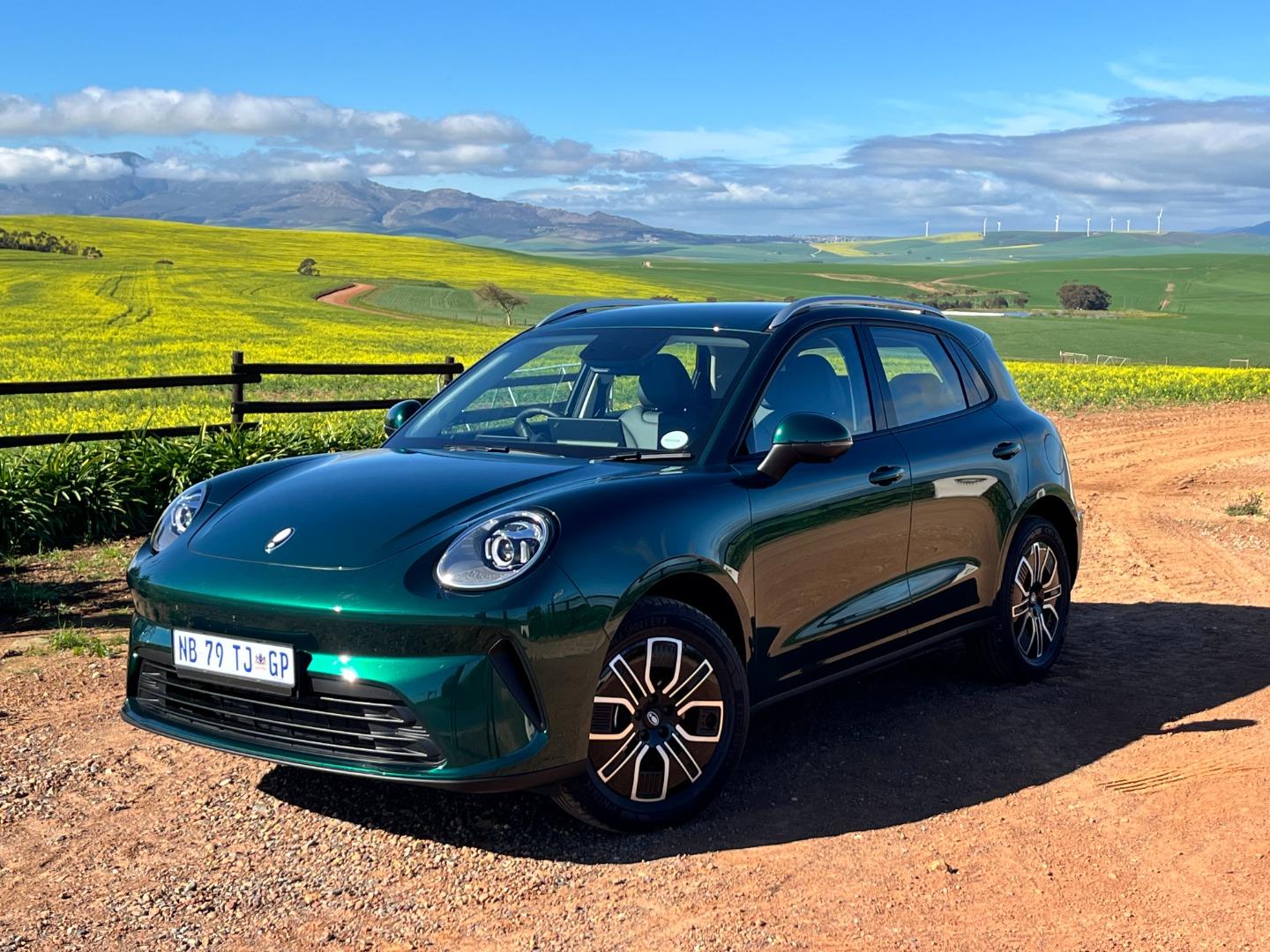
Going electric is the easy part; living with the monthly bills is where the real savings show up. With petrol hovering around R28 a litre, a typical petrol hatchback costs roughly R190 to cover 100 km. Charging an EV on a standard municipal tariff costs around R60 for the same distance, and much less if you have solar on the roof.
Related: Which electric cars have the best range in 2026?
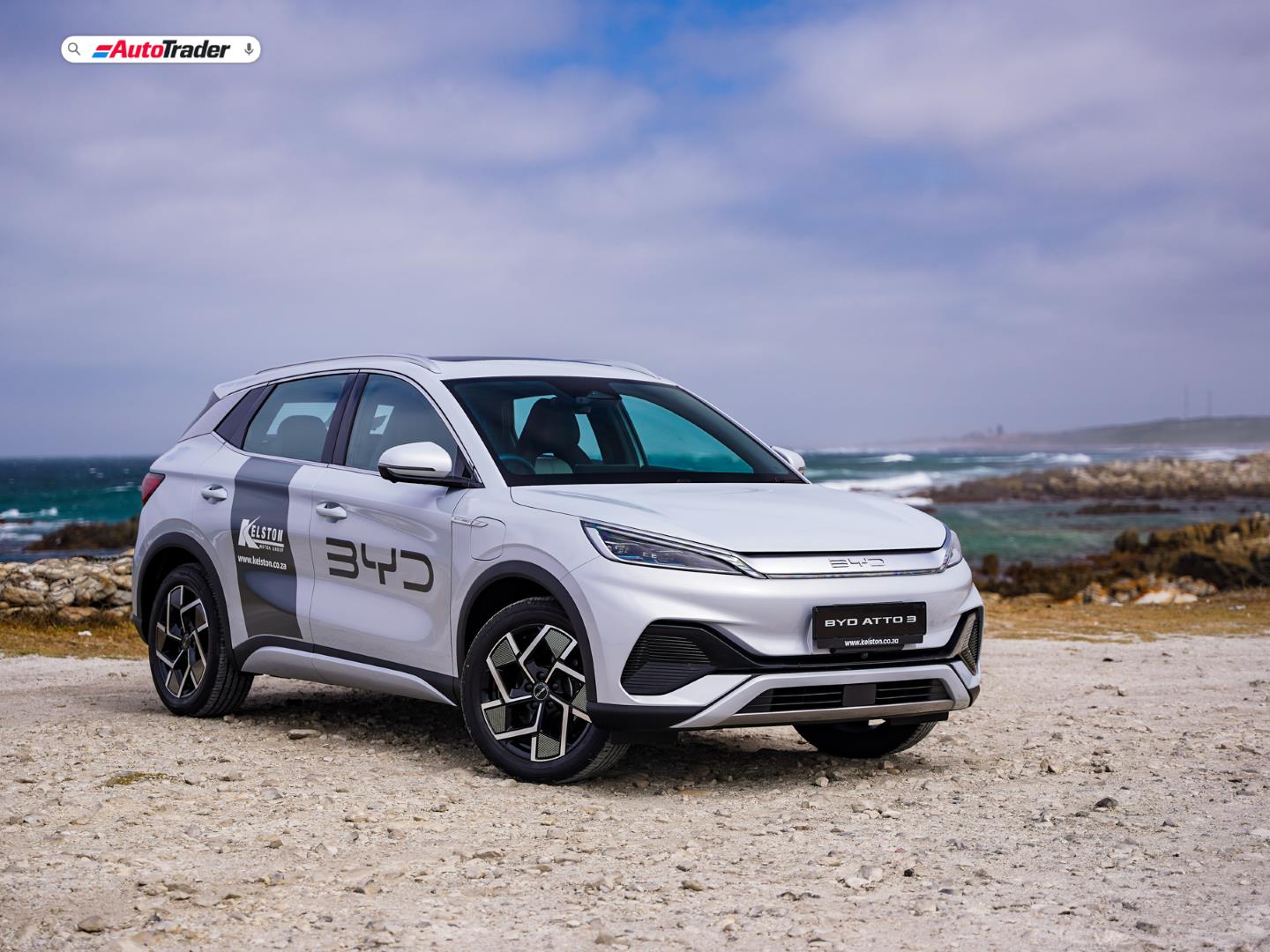
But not all EVs sip power equally, and the three most talked-about affordable options in SA, the BYD Atto 3, the BYD Dolphin and the GWM Ora, are very different cars. So which one will actually leave the most money in your pocket? We crunched the numbers.
Is it cheaper to run an EV on Eskom power than a petrol car at R30/litre?
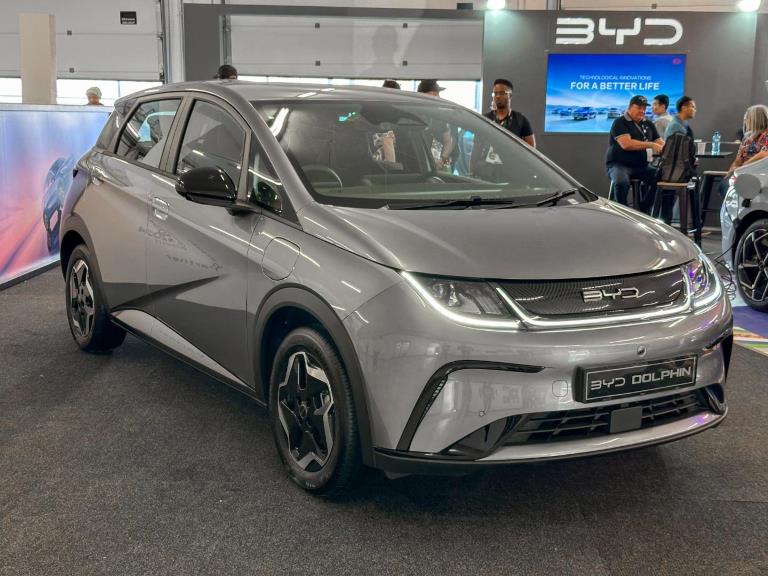
Meet the contenders
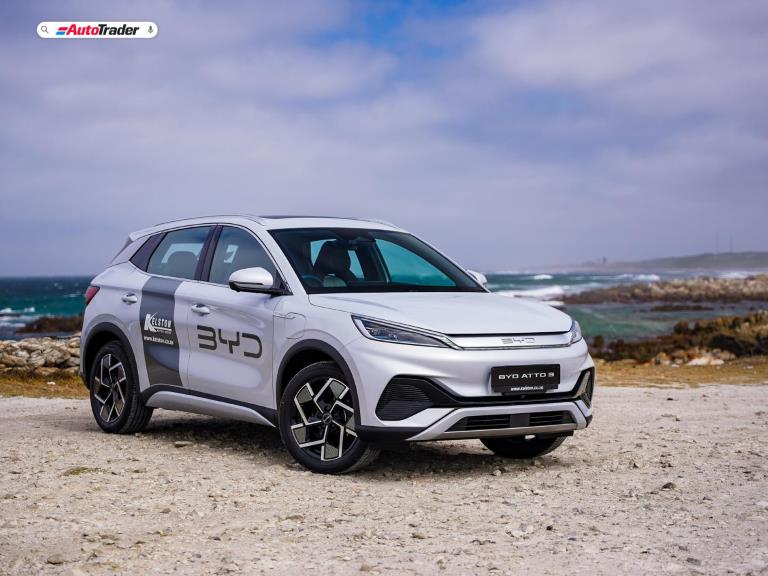
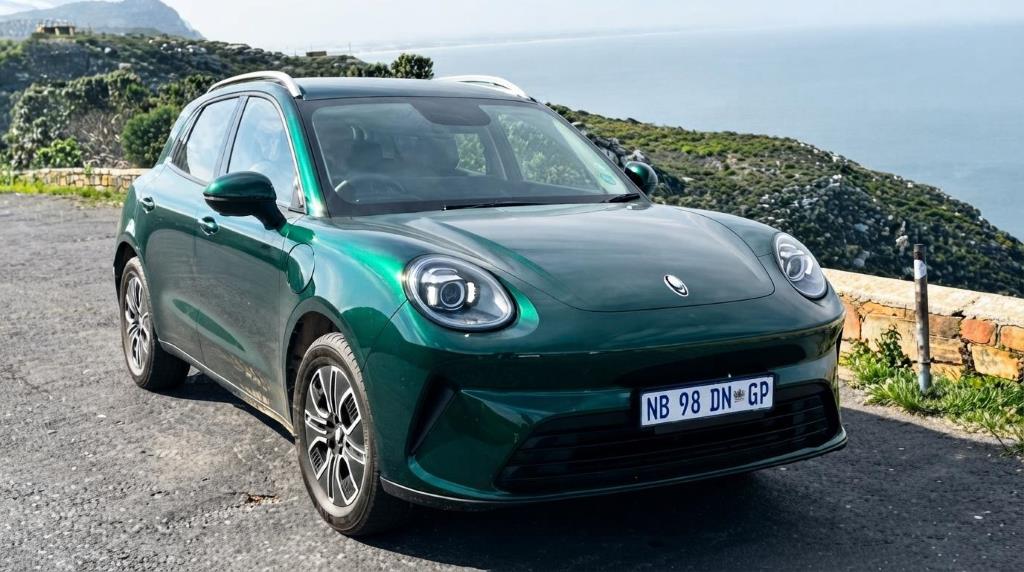
The Dolphin is the cheapest to buy, the Ora sits in the middle, and the Atto 3 is the priciest. For the GWM, we used the Ora 5 EV, the version currently on sale.
Model | Price | Battery |
|---|---|---|
R539 900 | 44.9 kWh | |
R599 900 | 60.4 kWh | |
R549 900 | 58.3 kWh | |
R699 900 | 49.9 kWh | |
R783 900 | 60.4 kWh |
On range, the Dolphin Extended claims 427 km and the Atto 3 Standard 345 km. GWM quotes 520 km for the Ora, but that is on the old NEDC cycle, and around 400 km is more realistic.
Charging costs
Electricity is where the gap opens up. The Dolphin is the most efficient, using 13.4 kWh/100 km (Standard) and 14.2 kWh/100 km (Extended). The Ora 5 EV uses about 14.8 kWh/100 km in real-world testing, while the Atto 3 drinks more, with a database average of 18.3 kWh/100 km.
Here is what 100 km costs on Eskom's Homepower rate of R3.56/kWh, on the cheaper off-peak Homeflex rate of R1.91/kWh, and at a public DC fast charger at roughly R7.50/kWh.
Model | Consumption (kWh/100 km) | Home (R) | Off-peak home (R) | Public DC (R) |
|---|---|---|---|---|
BYD Dolphin Standard | 13.4 | 48 | 26 | 101 |
BYD Dolphin Extended | 14.2 | 51 | 27 | 107 |
GWM Ora 5 EV | 14.8 | 53 | 28 | 111 |
BYD Atto 3 | 18.3 | 65 | 35 | 137 |
Over 15 000 km a year, the Dolphin Standard costs roughly R7 200 to charge at home, against about R9 800 for the Atto 3. A petrol hatchback covering the same distance would burn through roughly R28 500 in fuel.
Note that the figures come from different sources: the Dolphin's is a claimed figure, the Ora's a real-world test, and the Atto 3's an international database average, so treat the gaps as a guide. Public DC charging is also far pricier than home charging, so charging at home matters more than the car you choose.
Insurance, servicing and tyres
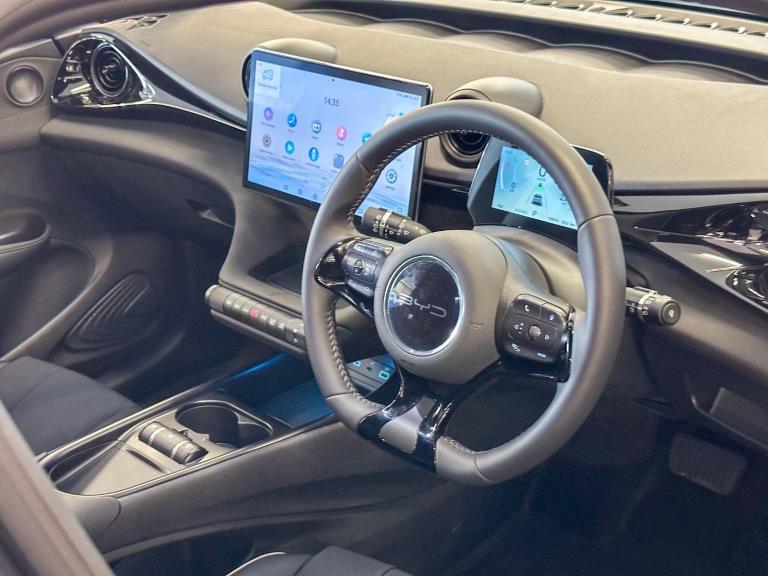
Electricity is only part of the bill, and the picture is clearer here. Both BYDs come with a 5 year/100 000 km maintenance plan, so routine servicing costs you nothing early on. All three carry an eight-year/150 000 km battery warranty, which is the big-ticket item to protect. GWM has the longest vehicle warranty at 7 years/200 000 km, compared with 5 years for BYDs. We couldn't confirm the Ora 5's service plan terms, so ask your dealer before you sign.
The car's value largely drives insurance premiums, so the Dolphin, at roughly R160 000 less than the Atto 3 Standard, should be the cheapest to cover. The Atto 3 is likely the most expensive. We didn't find published premium figures for these models, so get quotes on all three. Tyres are the same story, as no model-specific wear data is published yet. Expect to pay for fresh rubber sooner if you drive hard, as EVs are heavy and deliver their torque instantly.
Verdict
The BYD Dolphin has the lowest running costs. It is the cheapest to buy, the most efficient and, given its lower value, likely the cheapest to insure. The Standard version costs about R48 per 100 km at home, and the Extended is close behind at R51. The GWM Ora 5 EV is a close second, at around R53 per 100 km. Its seven-year/200 000 km warranty offers peace of mind on a long ownership run, and at R549 900 it costs R50 000 less than the Dolphin Extended and R234 000 less than the Atto 3 Extended.
The BYD Atto 3 is the thirstiest, at roughly R65 per 100 km, and the dearest to buy. What it offers is a bigger, more SUV-like package, but you pay for it at the plug as well as at the dealer. Charge at home, ideally off-peak or from solar, and any of the three will cost a fraction of a petrol car to run.