Is it cheaper to run an EV on Eskom power than a petrol car at R30/litre?
As fuel prices rocket toward their highest ever levels, many consumers are seriously considering going EV, but is operating an EV really cheaper than running to the pumps? We run the numbers to find out.



The assumptions
- Petrol car: a compact hatchback such as a VW Polo or Toyota Corolla Quest, using 6.5 L/100 km in real-world driving, with 95 unleaded at R30.00/L.
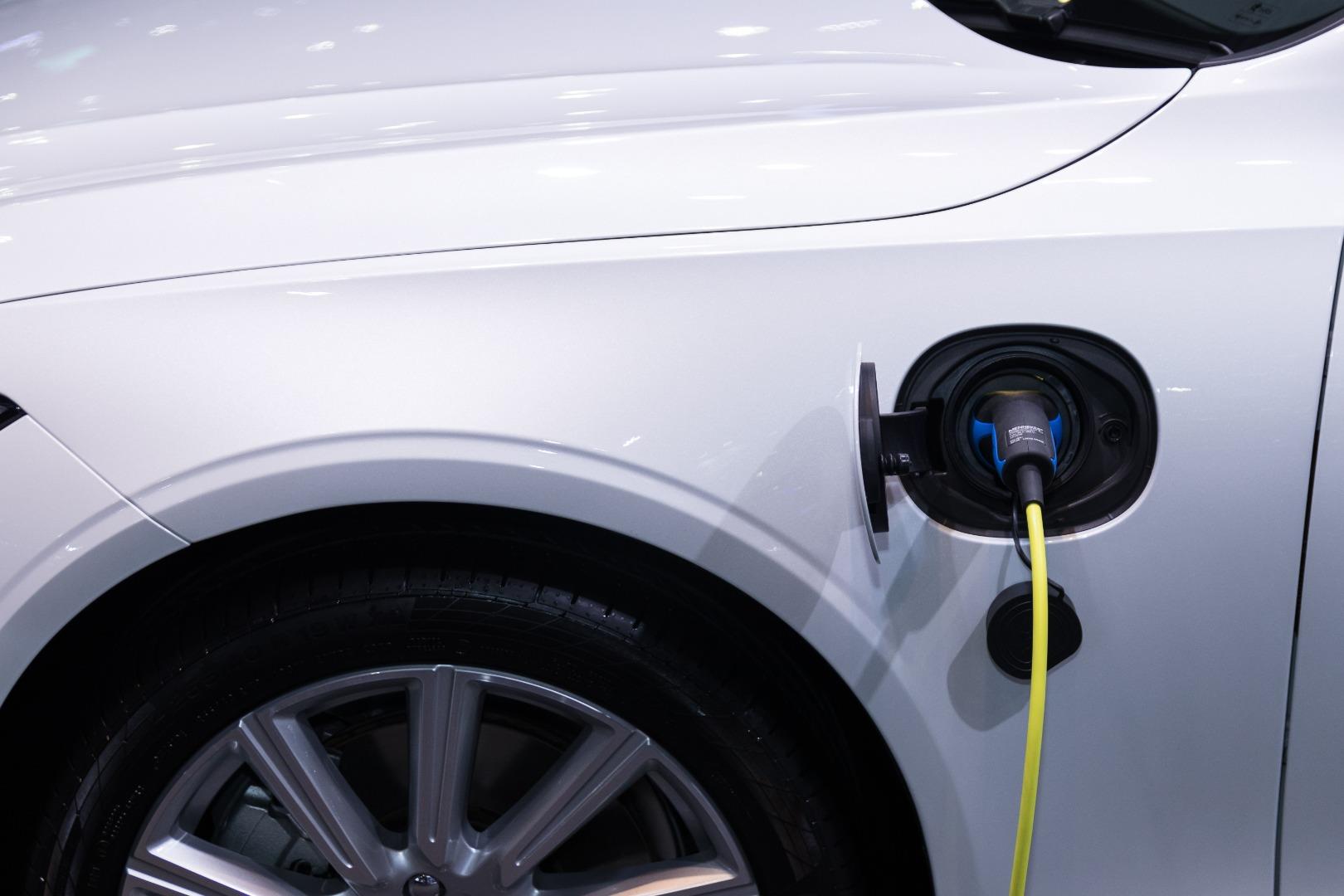
- EV: a car such as a BYD Atto 3, GWM Ora 03 or Volvo EX30, using 16 kWh/100 km. We assume this is measured at the wall, so it includes charging losses. If your car’s dashboard reports 16 kWh/100 km, add roughly 10% for losses, which makes it about 17.6 kWh/100 km.
- Home electricity: R3.80/kWh, a mid-range residential rate including VAT. Municipal and Eskom tariffs vary, with a range of roughly R3.50 to R4.20, depending on your supplier and usage block.
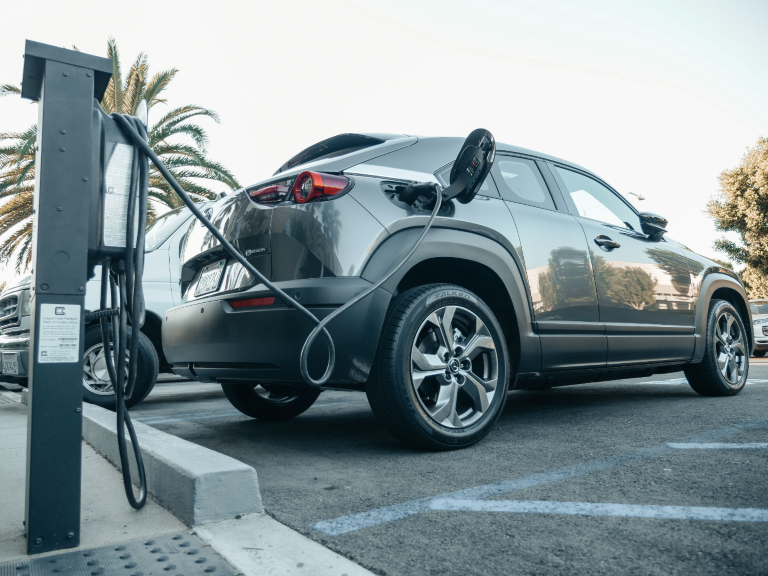
- Public DC fast charging: R7.00/kWh, within a typical R6.00 to R7.50 range.
- Distance: 15 000 km per year (1 250 km a month).
Understanding Eskom Tariff Rates
- Average Home Charging Cost (Eskom / Municipal Standard): R3.50 to R4.20 per kWh (inclusive of VAT and standard incline block steps). For this analysis, we will use a realistic average residential home tariff of R3.80 per kWh.
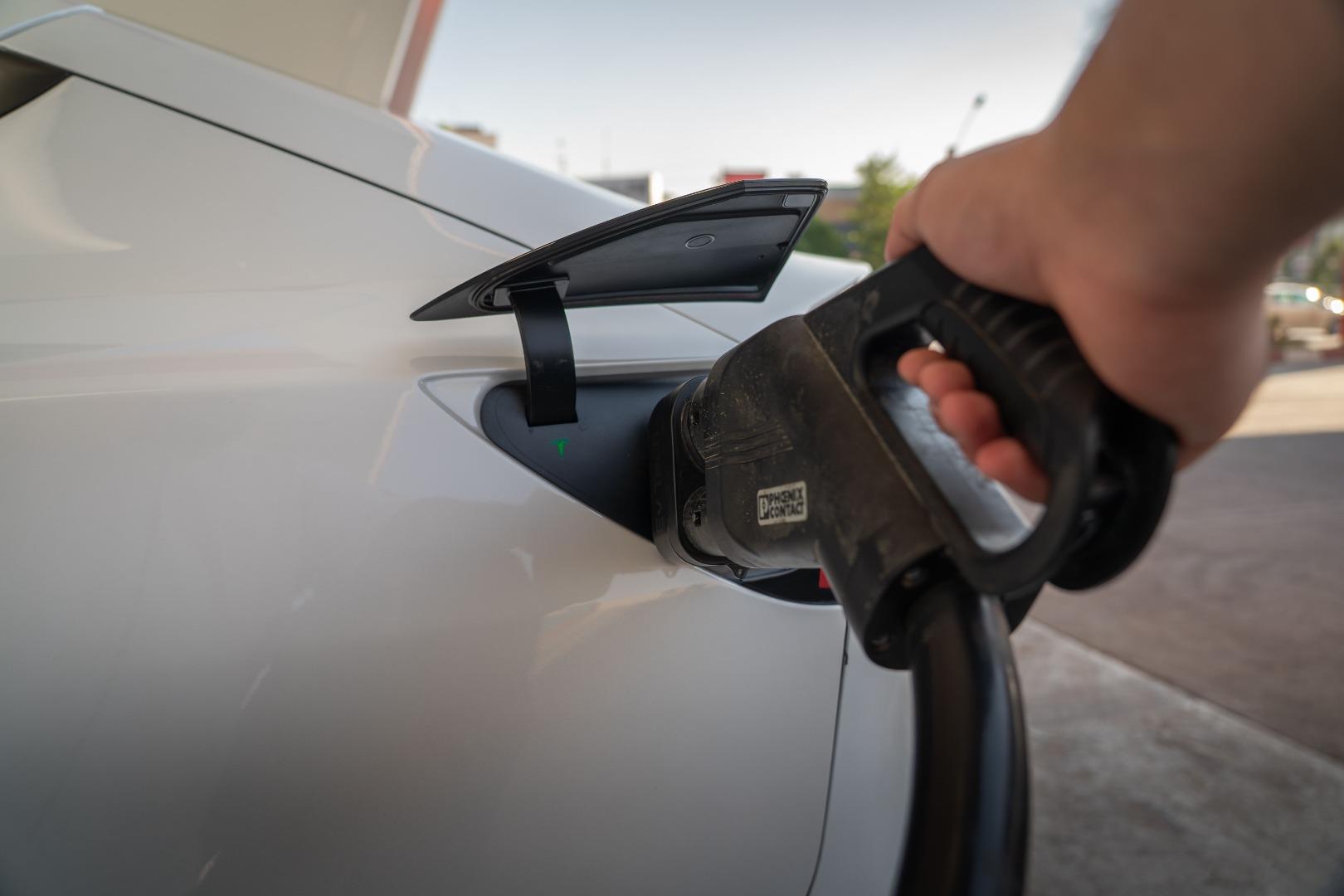
- Public Charging Cost (GridCars / DC Fast Chargers): Public DC fast chargers (50 kW+) incur higher infrastructure rates, typically ranging from R6.00 to R7.50 per kWh.
| Petrol (6.5 L/100 km) | EV, home (16 kWh/100 km) | EV, public DC (16 kWh/100 km) | |
|---|---|---|---|
| Unit price | R30.00/L | R3.80/kWh | R7.00/kWh |
| Cost per 100 km | R195.00 | R60.80 | R112.00 |
| Cost per km | R1.95 | R0.61 | R1.12 |
- Petrol: 6.5 L × R30.00 = R195.00
- EV at home: 16 kWh × R3.80 = R60.80
- EV on public DC: 16 kWh × R7.00 = R112.00
Charging at home, the EV costs less than a third as much to run as the petrol car, saving R134.20 per 100 km.
Annual running costs
At 15 000 km a year (150 × 100 km):
| Annual cost | Monthly | |
|---|---|---|
| Petrol at R30/L | R29 250 | ~R2 438 |
| EV, home charging | R9 120 | R760 |
| EV, public DC only | R16 800 | R1 400 |
Annual savings with home charging: R20 130 (about R100 650 over five years at today’s prices). Relying entirely on public fast chargers cuts the savings to R12 450 a year, so access to home charging matters a lot.
How sensitive is the result?
Fuel and electricity prices won’t stay put, so here is the annual saving at different prices (6.5 L/100 km vs 16 kWh/100 km, 15 000 km):
| Petrol price | Electricity R3.50/kWh | R3.80/kWh | R4.50/kWh |
|---|---|---|---|
| R22/L | R13 050 | R12 330 | R10 650 |
| R26/L | R16 950 | R16 230 | R14 550 |
| R30/L | R20 850 | R20 130 | R18 450 |
The EV wins in every scenario, because the gap between petrol and electricity per kilometre is large. A 10% electricity price rise (from R3.80 to about R4.18) trims the R30/L saving by only about R900 a year.
The purchase price question
Running costs are only half the story. A Polo or Corolla Quest costs considerably less than an Atto 3, Ora 5, or EX30, and the energy savings have to pay back that premium.
Break-even (years) = price premium ÷ annual running-cost saving
As an illustration, assume a R150 000 premium [replace with actual current prices for the models compared]:
- At R30/L and home charging (R20 130 saving): about 7.5 years
- At R22/L and home charging (R12 330 saving): about 12 years
- At R30/L but public charging only (R12 450 saving): about 12 years
So the EV is cheaper to run in all cases, but whether it’s cheaper to own depends on the price gap, how long you keep the car, and how you charge.
 Solar PV and load shedding
Households with rooftop solar can charge an EV using their own generation, which considerably lowers the marginal cost per kWh. Two caveats apply. First, “free” ignores the cost of the solar system itself. Second, many commuters are at work when panels produce the most, so charging at night relies on battery storage or the grid. Solar is most helpful for people who work from home or have a daytime charging setup.
Many municipalities and Eskom also offer time-of-use tariffs, where off-peak electricity is cheaper than the standard rate. Charging overnight on such a plan could beat the R3.80 assumption.
Maintenance and Servicing Differences
- Petrol Vehicles: Require regular engine oil changes, oil filter replacements, spark plug replacements, drive belt replacements, air filter replacements, and complex transmission servicing.
- Electric Vehicles: Have fewer moving parts. There is no engine oil, no spark plugs, no exhaust system, and no clutch. Regenerative braking also significantly reduces wear on brake pads and rotors. Routine EV servicing mainly involves cabin filter replacements, brake fluid checks, tyre rotations, and coolant checks for battery thermal management.

Variables not included
Other costs also affect the total cost of ownership:
- Home charger installation (a wallbox typically needs an electrician and, in some cases, a supply upgrade)
- Insurance
- Depreciation and resale value
- Battery warranty terms and long-term replacement risk
Verdict