Owning an electric car in South Africa is finally becoming the norm. We are moving past the old arguments about range anxiety and where to plug in. Now, the big question is how much you are actually paying to keep the battery topped up. Networks like GridCars and Rubicon are popping up everywhere, giving EV drivers real freedom on the road. But that convenience is not cheap.
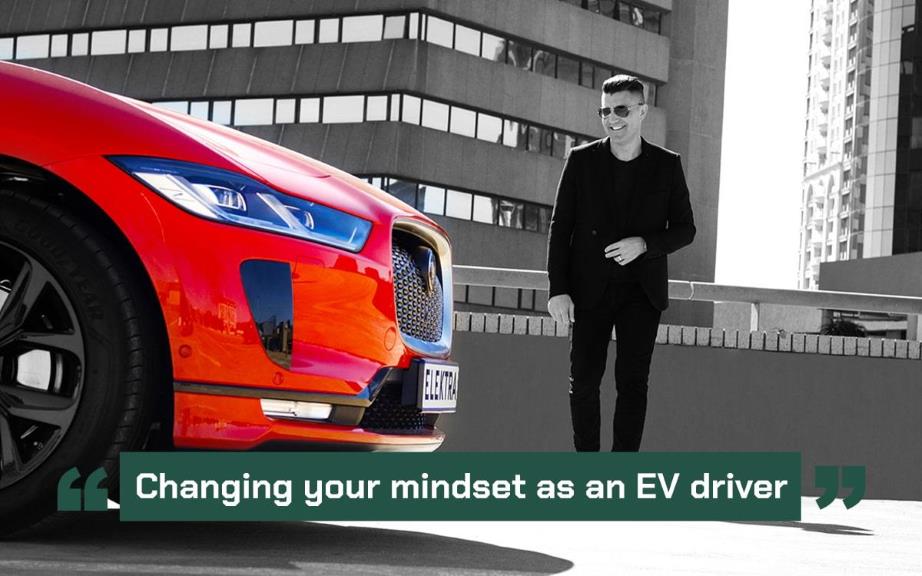
Our CEO, George Mienie, was once the proud owner of a Jaguar i-Pace.
If you want to get the best financial return out of your EV, your home setup is the real game-changer. Let us look at the actual cost per kilometre of public fast chargers compared to running your car off a home solar system.
The cost of public fast-charging
Public DC fast chargers are great for road trips. You pull over, plug in, grab a coffee, and get hundreds of kilometres of range in about 45 minutes. But building that infrastructure costs serious money, and you pay for it at the plug.
Right now, in late 2026, the two major networks dominating the highways are GridCars and Rubicon. Interestingly, they share access, but the price depends on whose card you swipe. If you use a Rubicon charge card, a DC fast charge will cost you a flat R7.00 per kWh across most of the national grid. If you use the GridCars ecosystem, expect to pay a premium of between R7.35 and R8.45 per kWh.
If we take a standard mid-sized EV that uses 17.5 kWh to travel 100 km, and use a blended average of R7.50 per kWh, the maths are pretty simple. You are paying R131.25 per 100 km. That works out to roughly R1.31 per kilometre.
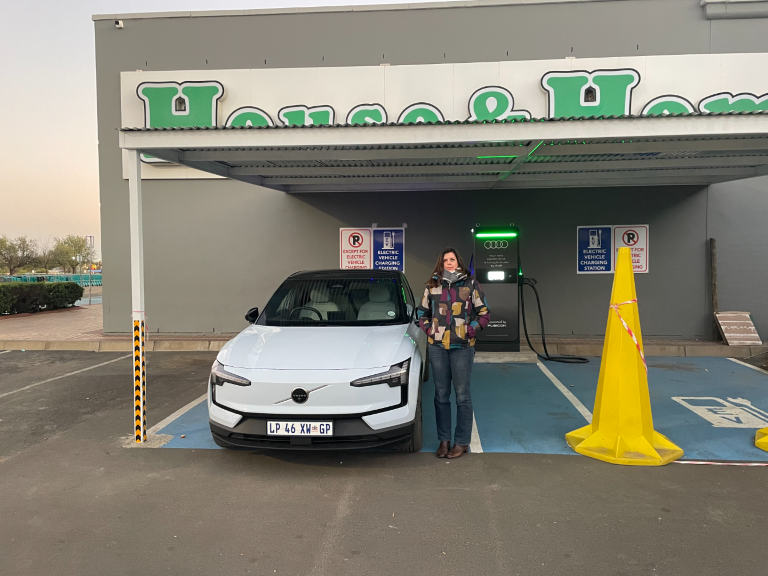
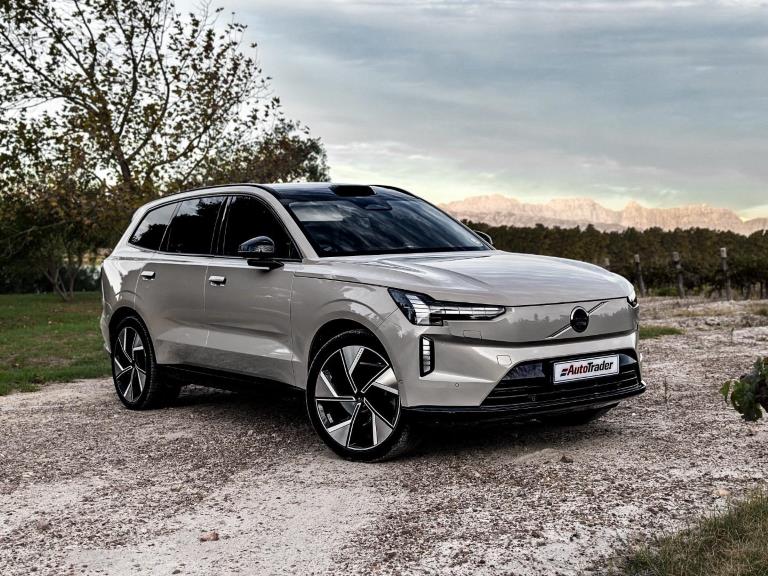
Charging the Volvo EX30 at Fleurdal Mall in Bloemfontein.
Let us compare that to a petrol car. If your petrol car uses 7.5 litres per 100 km and inland unleaded 95 is at R26.92 per litre, you are paying around R2.02 per kilometre. The EV is still cheaper, but public charging definitely eats into your potential savings.
The home solar and battery advantage
Charging at home using municipal power is much cheaper. On a standard prepaid tariff of roughly R3.44 per kWh, your EV costs about 60 cents per kilometre. But the massive savings happen when you add solar panels and a battery to the mix.
Yes, a proper solar setup is a big upfront purchase. A 5kW system with a 10kWh battery will cost you anywhere between R135,000 and R165,000 fully installed. But once it is running, it changes everything. If you spread that installation cost over the 15 to 20-year lifespan of the system, the actual cost of the electricity you generate is only about 50 to 80 cents per kWh.
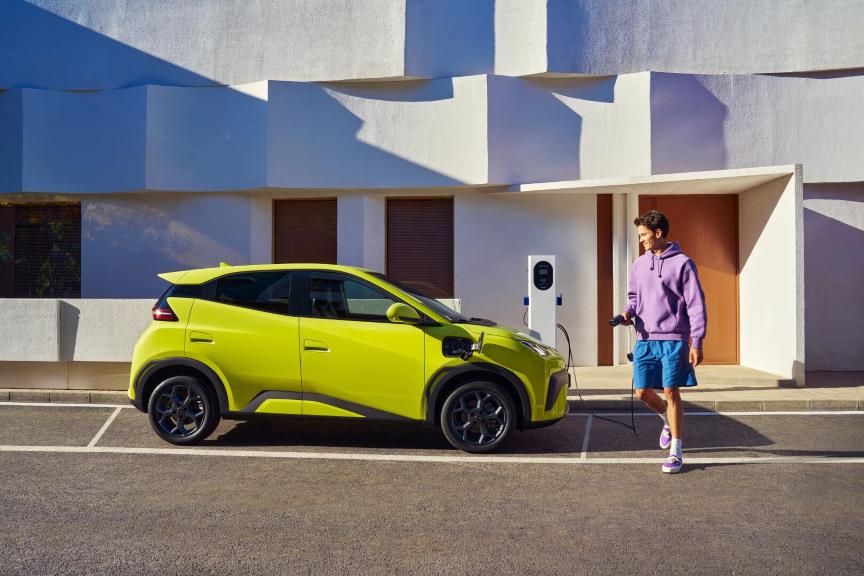
Charging at home is much more affordable than public charging.
If we use a conservative average of 65 cents per kWh, charging that same EV drops to R11.37 per 100 km. That means you are paying just 11 cents a kilometre.
If you charge your car during the day directly from the sun or use your home battery overnight, your running costs practically disappear.
Beating the grid and localised outages
Saving money is great, but a home solar system also gives you total peace of mind. We might not be dealing with constant stage 6 load shedding anymore, but cable theft, blown substations, and random municipal outages are still part of daily life in South Africa.
When you have your own solar and battery setup, you do not have to worry about the national grid. A weekend power failure will not leave you stuck without transport on a Monday morning. As long as the sun comes up, your car is ready to go.
The hidden costs of living with an EV
Calculating fuel savings is only half the battle. If you are buying an EV, there are secondary expenses you need to budget for.
Tyres are the first hidden cost. Because EVs carry heavy battery packs and deliver massive torque instantly, you cannot just fit standard rubber. They require reinforced, low-rolling resistance tyres. If you drive with a heavy foot, an EV will chew through those specialised, expensive tyres much faster than a standard petrol car. When it comes time to replace them, you need to budget accordingly: a set of EV-specific tyres (such as the Michelin e.Primacy or Continental EcoContact) will generally cost anywhere from R2,500 to over R7,000 per tyre, depending on your wheel size and performance specs.
Then there is the home charger. Some brands throw a wallbox in the boot, but legally mounting it is your responsibility. A standard single-phase charger installation will cost you between R5,000 and R7,000 for labour, the cable run, and the mandatory Certificate of Compliance. If the charger is not included, you can expect to pay around R7,400 for a decent 7kW unit. If you live in an older house, you might also need a distribution board upgrade, which can add thousands to your bill.
Insurance premiums are another factor. Local insurers do not penalise you just for driving an electric car, but premiums are tied to the car's retail value and the cost of specialised parts. Because EVs still carry an import tax penalty and are expensive to replace if a battery pack gets damaged in a crash, your monthly premium will likely be higher than that of a comparable petrol car.
(Find out if EVs are cheaper to maintain.)Finally, you have to look at depreciation. The market is split right now. Flagship luxury EVs are dropping in value quickly on the second-hand market. According to recent data, high-end models like the Mercedes-Benz EQS can lose over R40,000 a month in value during their first year. On the flip side, more affordable models like the BYD Atto 3, BMW iX1, and Volvo XC40 are retaining their value well, making them a much safer financial bet.
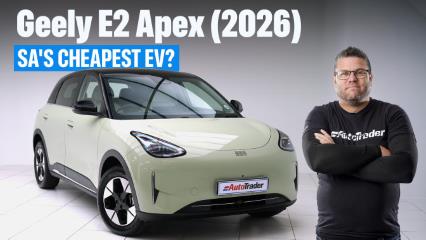
A slew of affordable EVs have now also joined the fray, such as the BYD Dolphin Surf, GWM Ora 5 BEV, Geely E2 and the Chery Q.
Verdict
Public fast chargers do exactly what they are meant to do. They get you back on the highway quickly. At R1.48 per kilometre, they are fine for long trips, but they should not be your primary charging method.
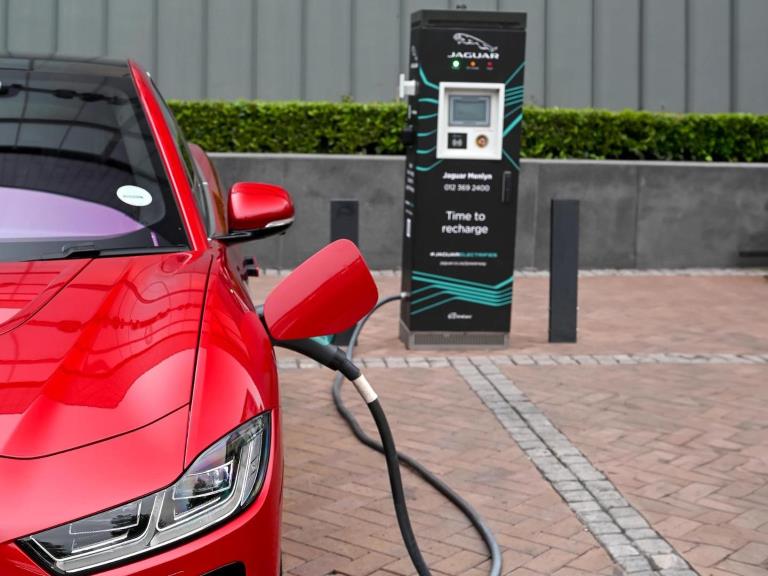
Public charging is fine for a quick top-up while you shop, or if you have to undertake a road trip.
Putting a solar and battery system in your home drops your EV running costs to a ridiculous 11 cents a kilometre and keeps you moving when the grid goes down. When you consider the extra money you’ll spend on specialised tyres, wallbox installation, and insurance, dropping your fuel bill down to 11 cents a kilometre with home solar is the ultimate way to balance the books.