With petrol prices remaining a volatile part of the monthly budget—especially with recent shifts in 2026—choosing a car that sips rather than guzzles is no longer just a preference; it’s a financial strategy.
Related: The April 1st triple-shock: 5 ways to survive SA's biggest fuel hike in history
If you are looking for the sweet spot between a low purchase price and minimal trips to the pump, here is how to navigate the 2026 budget car market.
Fuel Security 2026: Is South Africa Running Out?

Most Fuel-Efficient Budget Cars
In the current market, several budget kings consistently deliver under 4.5 L/100 km. Many of these models share engines or platforms, making them the most logical choices for city commuters.
| Model | Claimed Fuel Economy | Approx. Price (R) |
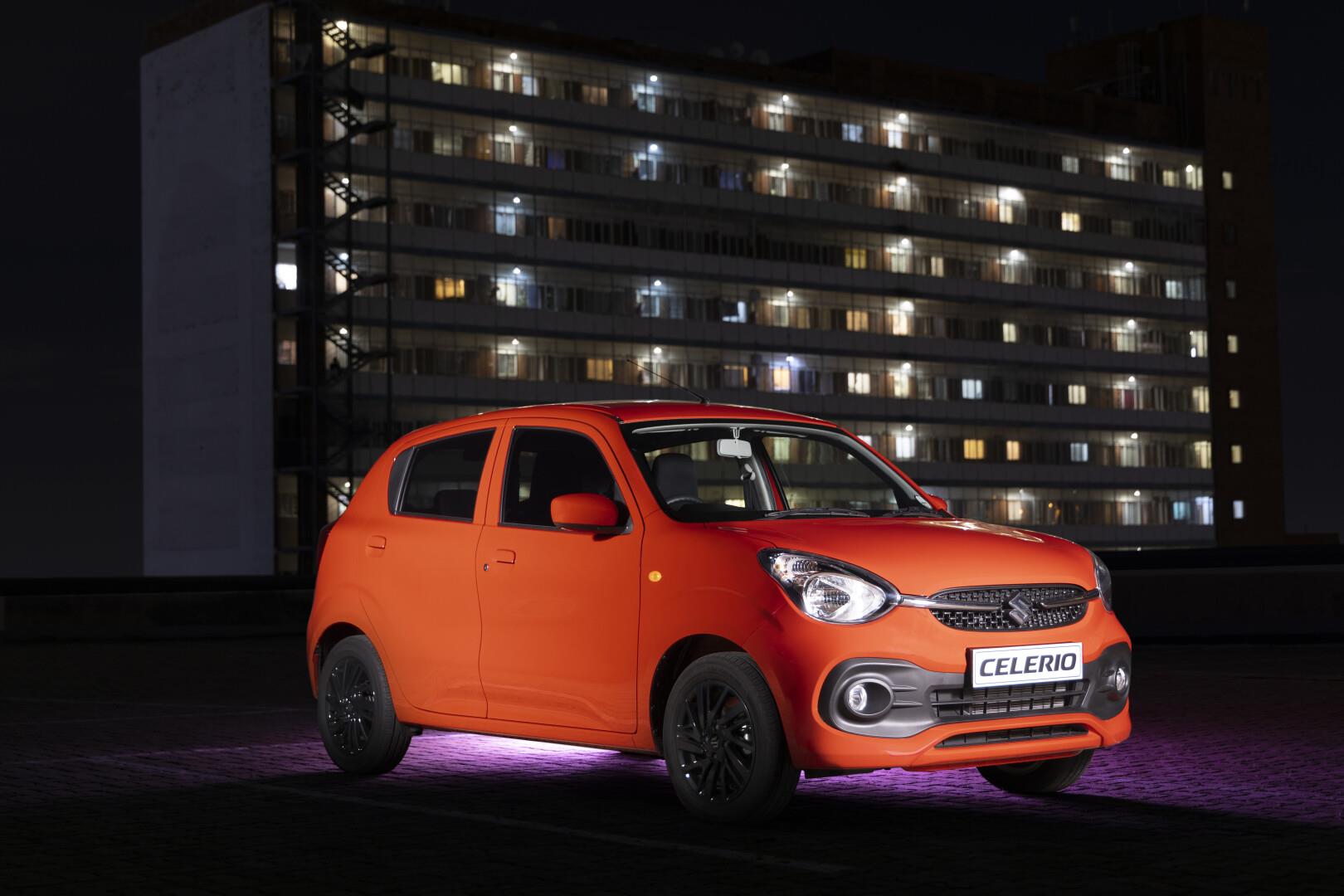
| Suzuki Celerio (AMT) | 4.2 L/100 km | R188 900 |
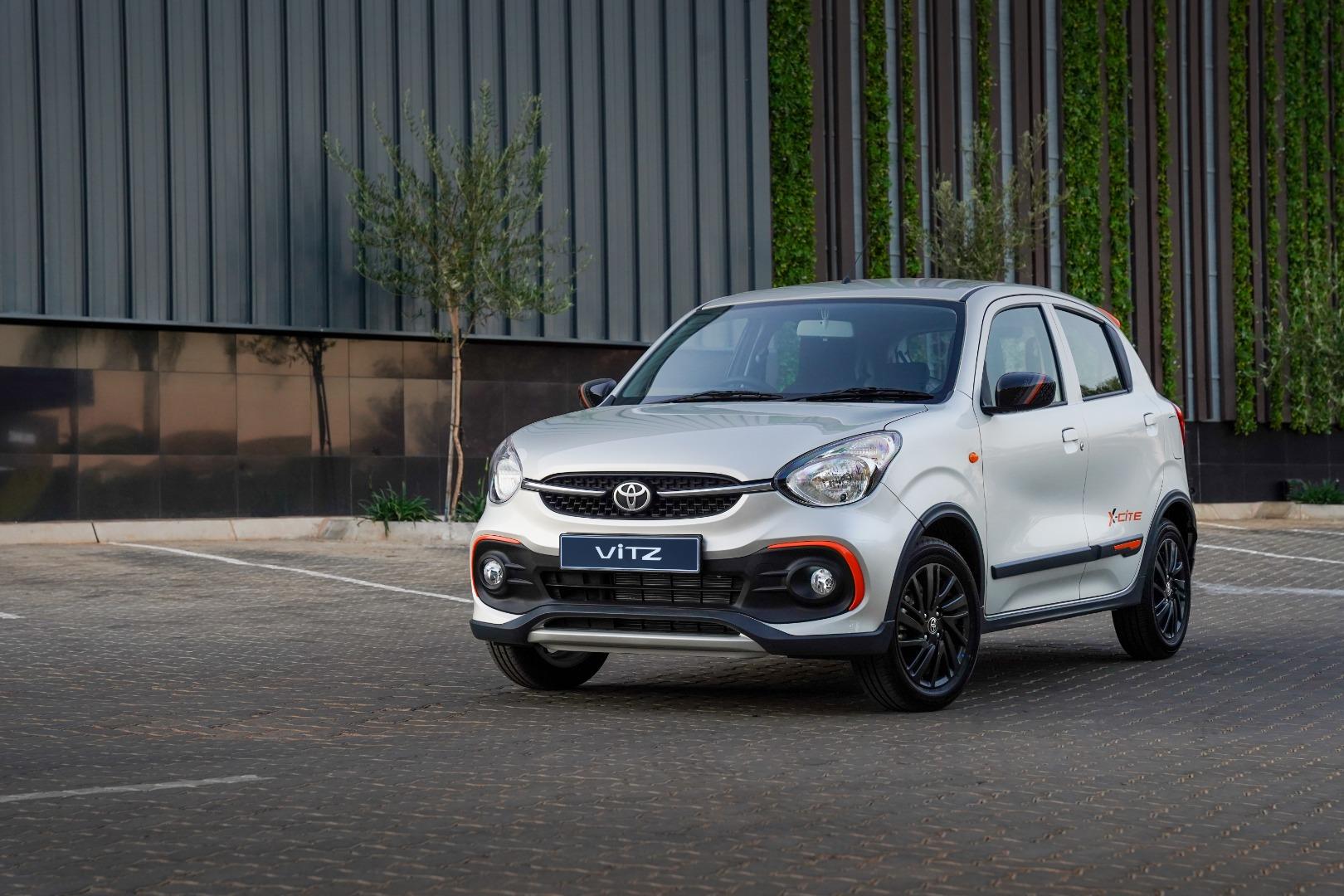
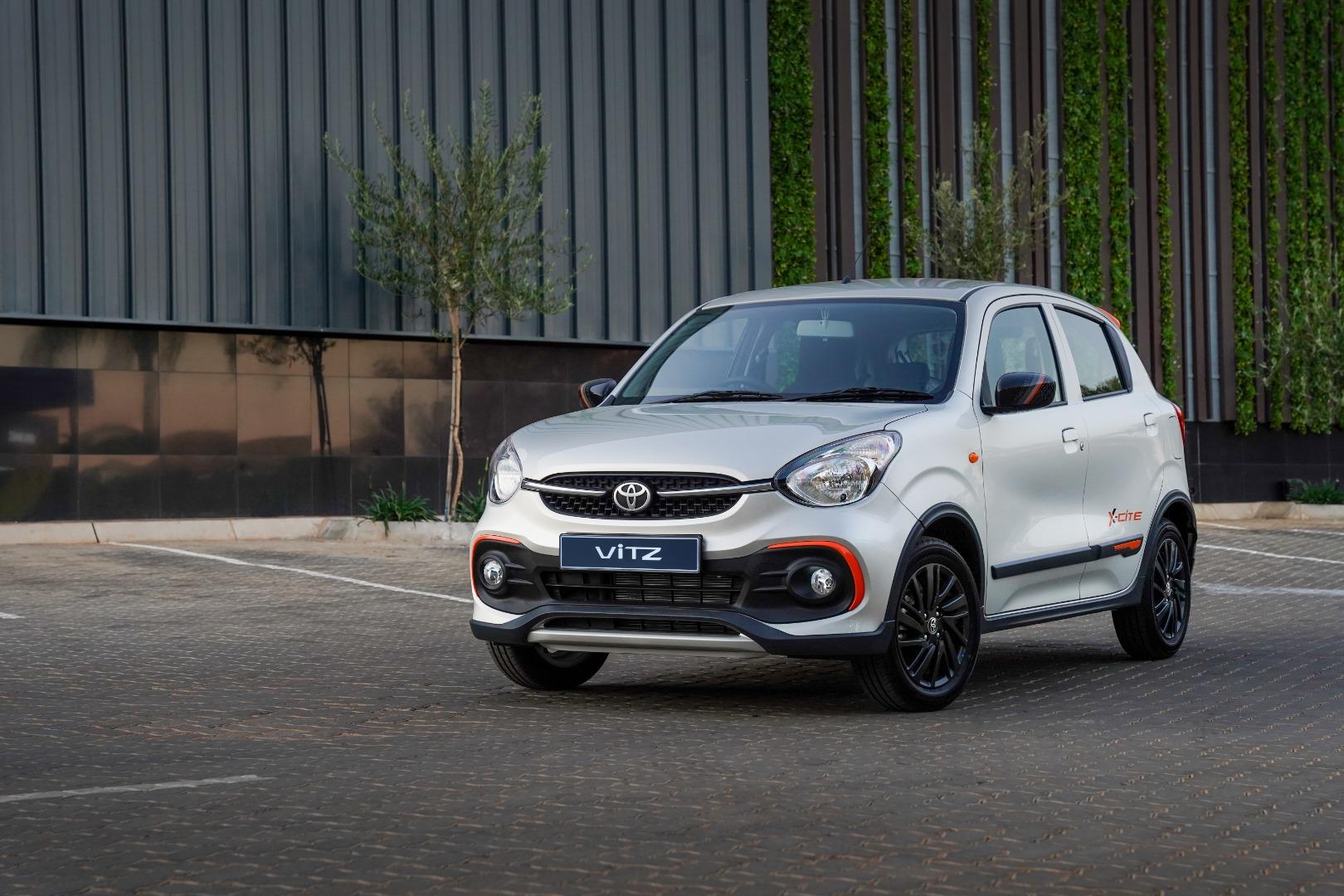
| Toyota Vitz (AMT) | 4.2 L/100 km | R178 800 |
| Suzuki Swift 1.2 (Manual) | 4.4 L/100 km | R227 900 |
| Suzuki S-Presso | 4.4 L/100 km | R178 900 |
| Renault Kwid | 4.7 L/100 km | R178 800 |
Pro Tip: In the budget segment, AMT (Automated Manual Transmission) versions often boast better fuel efficiency than their pure manual counterparts because the car's computer shifts at the most optimal r/min for economy.
Know Your Tech: Hybrid vs. Small Petrol
While "Hybrid" is the buzzword of 2026, it isn't always the right budget choice.
Small displacement petrol (1.0L - 1.2L): These are the true budget winners. They are cheaper to buy upfront and incredibly efficient in lightweight cars.
Full Hybrids (HEV): Models like the Toyota Corolla Hatch Hybrid (4.0 L/100 km) or Honda Fit Hybrid (3.7 L/100 km) are efficiency champions but carry a significantly higher price tag (R500k+). You’d need to drive a massive number of kilometres to "break even" on the fuel savings compared to a R180k petrol car.
Mild Hybrids (MHEV): The new Suzuki Swift uses mild-hybrid tech to smooth out stop-start driving. It’s a great middle ground—slightly more expensive than a base hatch, but with better real-world refinement.
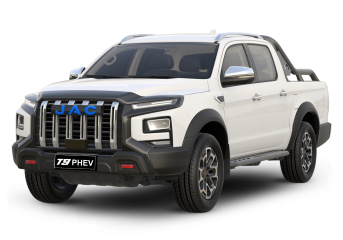
- Plug-in Hybrid (PHEV): These vehicles are fast becoming the option to have, but the trade-off is expense. They are more expensive to purchase upfront, but overall running costs are very low, with some models, like the Geely EX-5, even returning 0.0L/100km when the battery is kept charged.
How to Choose
When comparing two fuel-efficient cars, look beyond the sticker on the window:
Weight is everything
The lighter the car, the less energy it takes to move. Budget cars like the S-Presso or Vitz weigh under 850kg, which is why they can achieve such low consumption even without fancy electric batteries.
Wheel & tyre Size
Avoid the temptation to "upgrade" to larger alloy wheels. Larger wheels increase rolling resistance and weight. For maximum efficiency, stick to the standard 14 or 15-inch wheels usually found on base models.
Maintenance & parts
A fuel-efficient car isn't a budget option if the specialised parts are expensive. Stick to high-volume brands (Toyota, Suzuki, Renault) where parts are plentiful, and service plans are often included in the purchase price.

The real-world reality check
Manufacturers test fuel economy in perfect laboratory conditions. To get a realistic idea of what you’ll actually spend:
The 15% rule: Add roughly 10–15% to the manufacturer's claimed figure for a "real-world" estimate. If a car claims 4.4 L/100 km, expect closer to 5.0 L/100 km in traffic.
Check the torque: If you live in a hilly area or at high altitude (like Johannesburg), a tiny 1.0L non-turbo engine might struggle. You’ll end up flooring the accelerator to keep up, which kills your fuel economy. In these cases, a slightly larger 1.2L or a small Turbo engine might actually be more efficient.