


Budget-friendly hybrids have officially landed in South Africa. As of early 2026, the market has shifted from luxury experiments to genuine competitors for the average commuter.
Related: Chery KP31 to be SA's first plug-in hybrid diesel bakkie
While the Toyota Corolla Cross Hybrid used to be the default entry point, a wave of new arrivals from China, i.e., Chery, MG, BYD, and mild-hybrid options from Suzuki have driven the starting price for eco tech down significantly.
South Africa's cheapest hybrid? Suzuki Across (2026) - First Drive Review
The 2026 budget hybrid leaderboard
The cheapest title is now a moving target, but these are the primary contenders under the R500,000 mark:
| Model | Type | Price (From) | Claimed Fuel (L/100km) |
| Suzuki Across 1.5 GL | Mild-Hybrid | R349,900 | ~5.0L |
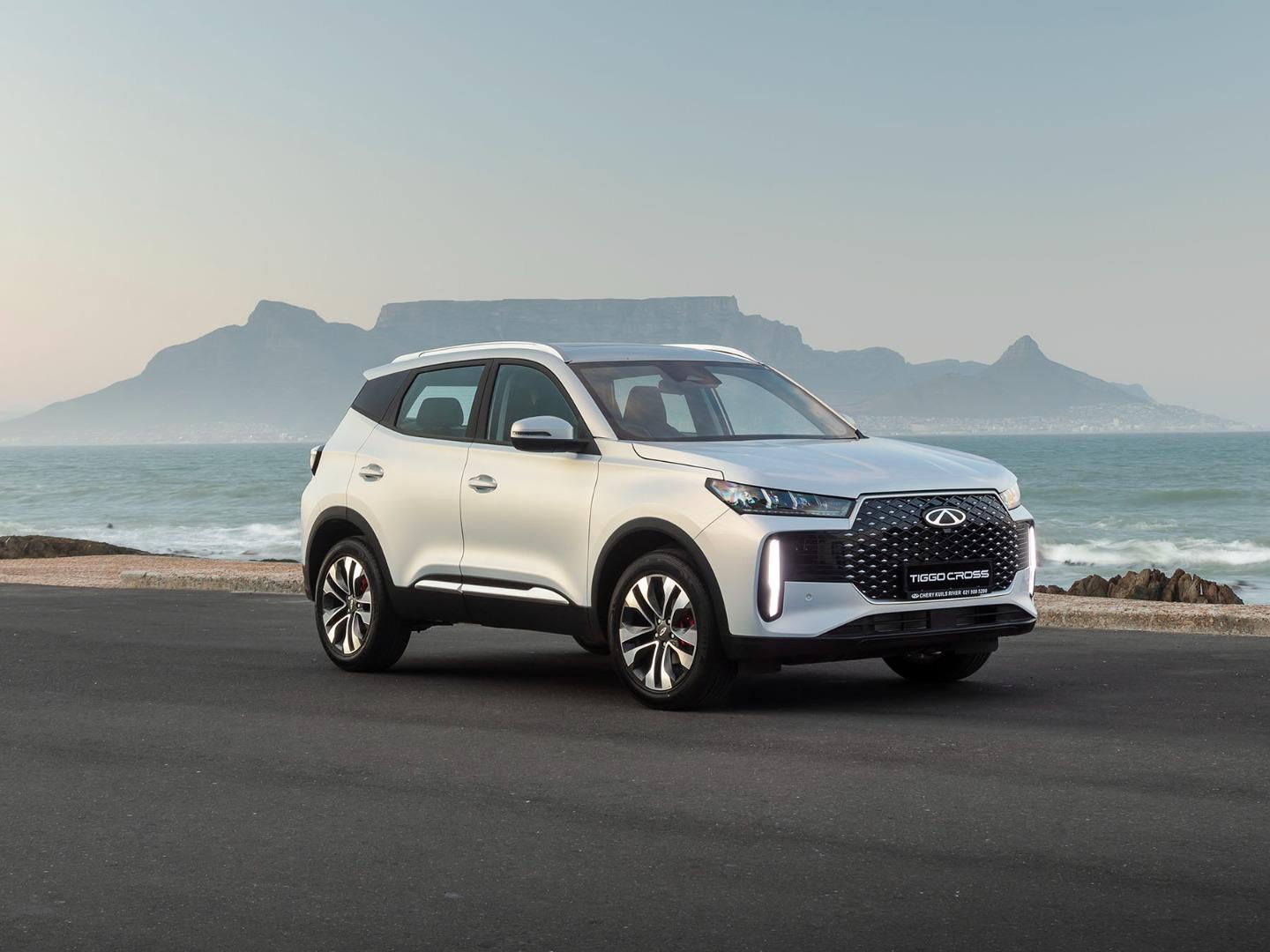
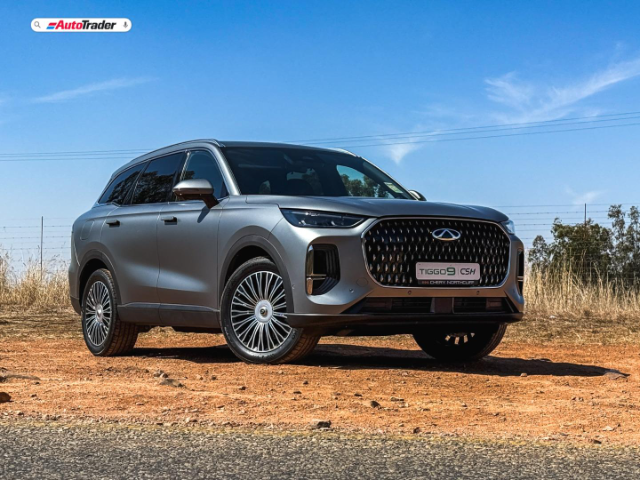
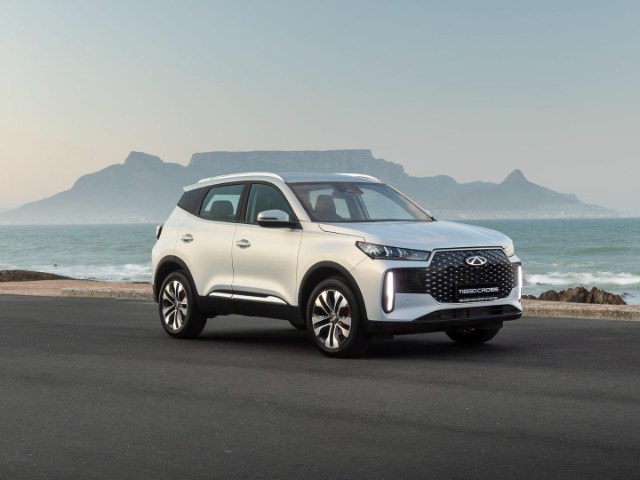
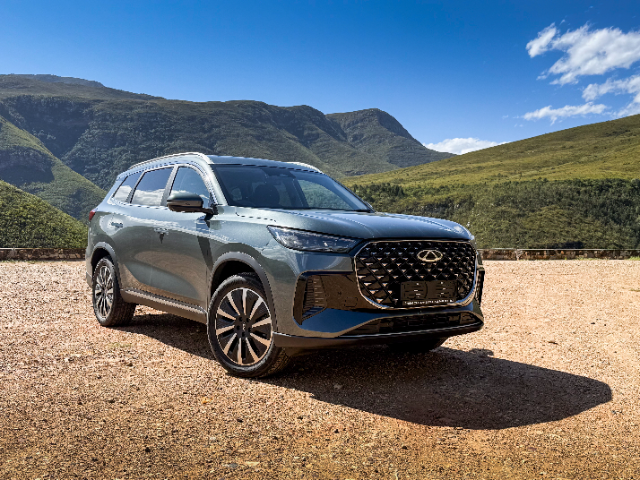
| Chery Tiggo Cross CSH | Traditional (HEV) | R439,900 | 5.4L |
| MG3 1.5 Hybrid+ | Traditional (HEV) | R469,900 | 4.3L |
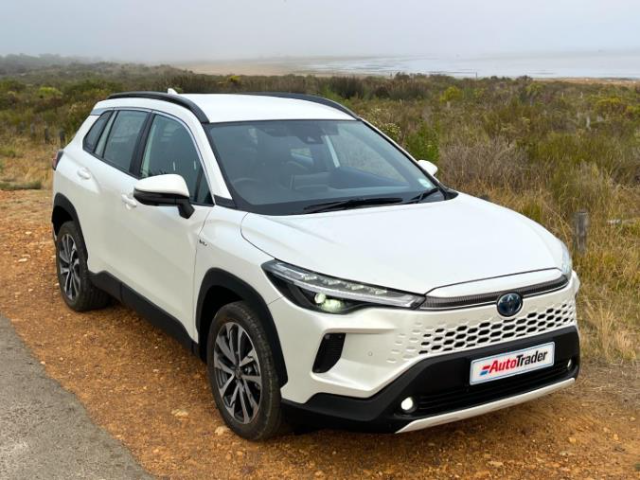
| Toyota Corolla Cross XS | Traditional (HEV) | R494,400 | 4.3L |
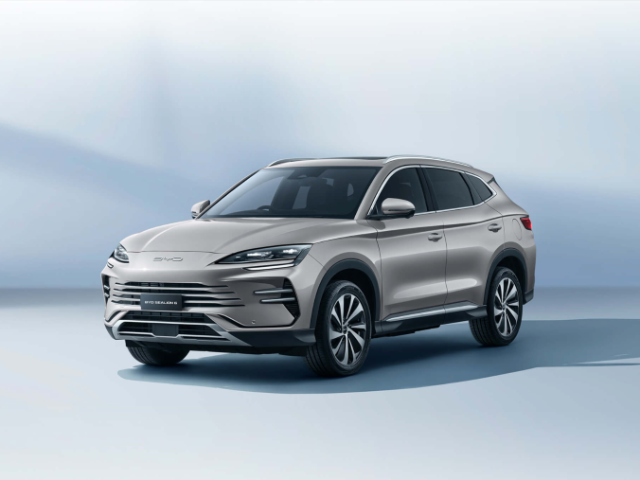
| BYD Sealion 5 Comfort | Plug-in (PHEV) | R499,900 | ~1.5L* |
*PHEV consumption depends heavily on daily charging; it defaults to ~5.0L when the battery is depleted.
Mild-Hybrid vs. Traditional Hybrid: What’s the difference?
The term "hybrid" is being used loosely in marketing, so it’s important to know what you’re paying for:
Mild-Hybrids (e.g., Suzuki Across, Grand Vitara, Fronx): These use a small integrated starter generator (ISG). The electric motor assists the engine but cannot drive the car on its own.
The Verdict: You’ll save about 0.5L to 1.0L per 100km. It’s more of a "refined stop-start system" than a fuel-sipping revolution.
Traditional Hybrids (HEV) (e.g., Corolla Cross, MG3): These can drive at low speeds on battery power alone.
The Verdict: This is where you see the 4.0L/100km figures. This is the "sweet spot" for urban South Africans who don't want to plug in a car.
Does the math actually work?
To see if a hybrid is worth it, we compare the Corolla Cross 1.8 XS (Petrol) vs. the 1.8 XS (Hybrid):
Price Gap: The Hybrid is roughly R42,000 more expensive than its petrol sibling.
Fuel Savings: At a fuel price of R22/L, driving 15 000 km per year:
Petrol (6.8L/100km): ~R22 440 per year.
Hybrid (4.3L/100km): ~R14 190 per year.
Annual Saving: R8 250.
Break-even Point: It takes roughly 5 years (or ~75 000 km) to pay off the initial price premium through fuel savings alone.
Note: This calculation doesn't account for the higher resale value hybrids are currently enjoying in SA, nor the peace of mind during fuel price hikes.
The Budget King: Plug-in Hybrids (PHEV)
The biggest surprise of 2026 is the BYD Sealion 5 starting at R499 900. If your daily commute is under 50km and you charge at home (ideally with solar), you could theoretically drive for months without visiting a petrol station. For those with the right home infrastructure, this is the most "budget-friendly" long-term option on the list.
Summary
Buy a Mild-Hybrid if you want a more refined drive and slightly better efficiency without a massive price jump.
Buy a Traditional Hybrid if you do 80% of your driving in stop-start city traffic.
Stick to Petrol if you mostly do long-distance highway driving, where hybrid systems are least effective.